
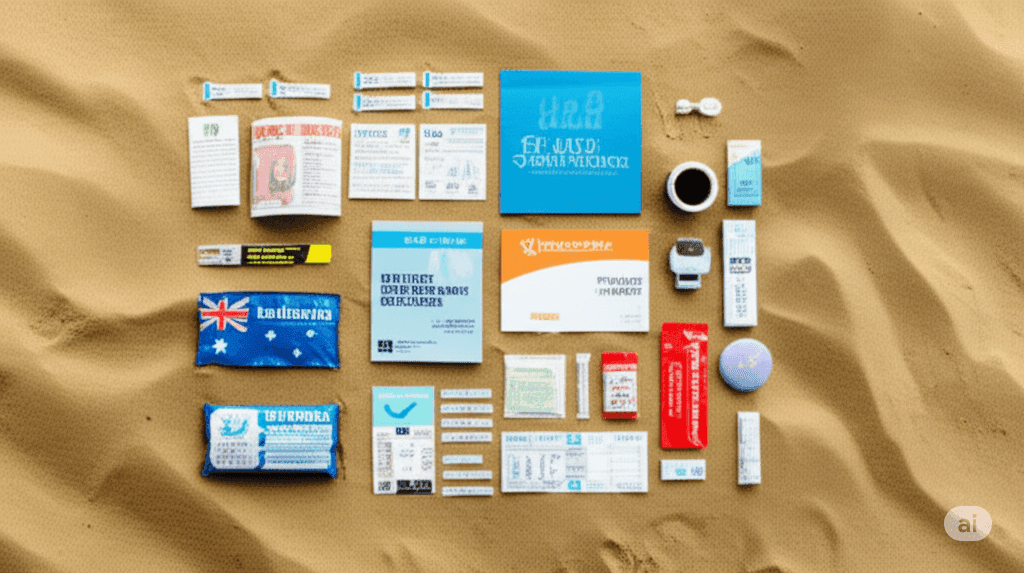
Building a solid working holiday emergency plan for Australia is one of the most important things you can do before you leave home — and one of the most consistently skipped. You have scrimped, saved, and finally touched down in the land of endless horizons and a fiercely vibrant backpacker culture. The legendary “no worries” Aussie spirit is real and infectious. But here is a harsh truth that thousands of travelers learn the hard way every year: while spontaneity is wonderful for choosing a weekend road trip, applying a “she’ll be right” attitude to your physical safety, financial security, and legal documents is genuinely reckless. A minor incident without a plan can rapidly drain your bank account, stall your 88-day count, and leave you entirely reliant on the goodwill of strangers. This guide walks you through every pillar of emergency preparedness so you can embrace the adventure fully — because you are ready for whatever comes.
Why Working Holiday Makers Neglect Emergency Planning in Australia
The romanticised ideal of free-spirited travel fundamentally clashes with the dry, practical necessity of having a working holiday emergency plan in Australia. Understanding why people skip it helps you avoid the same trap.
- The optimism bias — it is human nature to think “that won’t happen to me,” right up until it does.
- The “wing it” mentality — spontaneity is fantastic for adventure, but applying it to your physical and financial safety is a form of recklessness dressed up as freedom.
- Lack of environmental awareness — many backpackers arrive genuinely unaware of Australia’s unique hazards: extreme and unforgiving weather, vast isolated distances, venomous wildlife, and the very real complexity of managing an international crisis from a remote farm.
- Budget constraints — when you are counting every dollar for your next hostel bed, it is tempting to cut corners on “invisible” costs like comprehensive travel insurance. This is almost always a false economy.
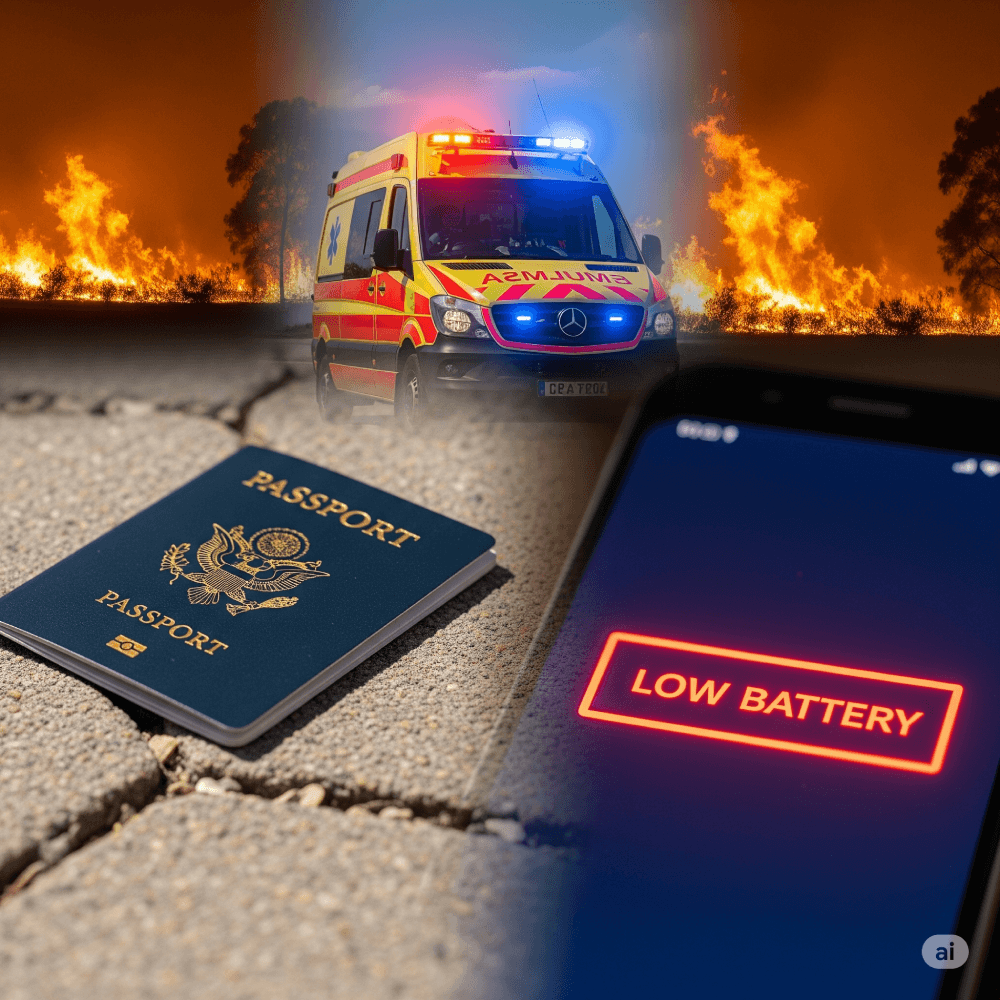
Boots-on-the-Ground Realities: Emergency Planning for Regional Farm Work
If you are aiming to complete your 88 days of specified work, you are not just a tourist anymore — you are a regional worker, and that completely changes your risk profile. Picture this: you have scored a banana picking job in Tully, Queensland. It is 6:00 AM, the humidity is already suffocating at 90%, and you are navigating uneven, muddy terrain with a machete and a heavy bunch on your shoulder. Or you are pruning vines in Mildura, Victoria, where the morning frost leaves your hands completely numb before the sun even clears the horizon.
In these environments, injuries are not a matter of if — they are a matter of when. Repetitive strain, heavy machinery, piece-rate pressures that push you to move faster than is safe, and venomous wildlife hiding in the crop are all daily realities. If you roll your ankle in a remote orchard, who is driving you to the hospital? Do you know the exact farm address to give the paramedics? If you cannot work for three weeks, how are you covering your accommodation? Our team at Backpack Australia uses this practical advice when helping travelers prepare for regional jobs — because thriving in the outback requires preparation, not just grit.
For anyone heading into regional work, investing in high-quality durable workwear and a personal first aid kit is non-negotiable. Find our top recommendations on the Backpack Australia Resources Page.
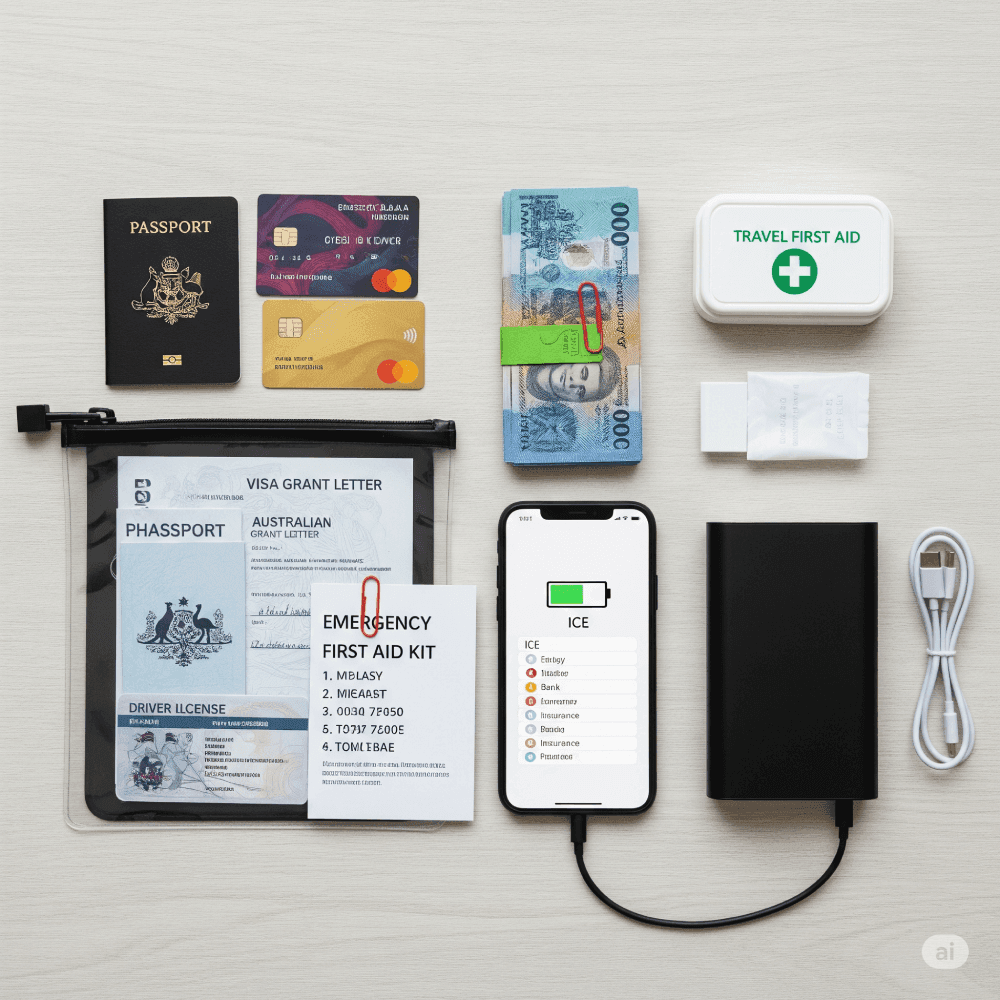
The Four Pillars of Your Working Holiday Emergency Plan in Australia
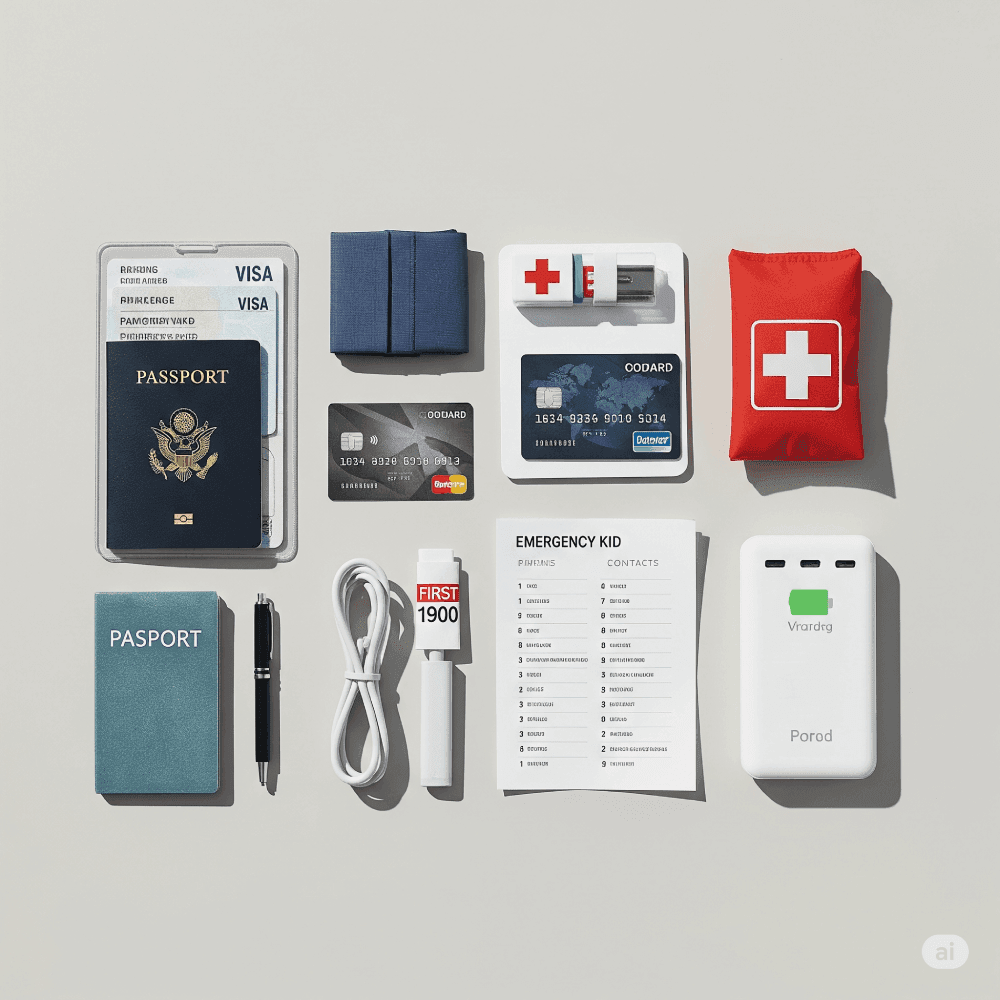
1. Document Domination: Lost or Stolen ID
Your passport is your golden ticket, and your visa grant letter is your legal right to earn money in Australia. Losing them can leave you stranded — unable to board domestic flights, legally barred from starting a new farm job, and facing an expensive international bureaucratic nightmare to get them replaced.
The solution is a redundant backup system. Make at least two physical photocopies of your passport, visa, and driver’s licence. Keep one in your daypack and one hidden in your main luggage. Save high-quality digital scans to a secure cloud service like Google Drive, and email copies to a trusted family member back home. If the worst happens, you have everything you need to start the replacement process immediately.
2. Medical Emergencies and the Healthcare Maze
Accidents happen — a bad fall while hiking, a severe allergic reaction to an insect bite, or simply catching a serious virus in a crowded hostel. Australian healthcare is world-class, but it is exceptionally expensive for non-residents. Navigating a foreign healthcare system without a plan in place is deeply stressful and potentially catastrophic for your finances.
According to Smartraveller — the Australian Government’s official travel advisory — comprehensive travel insurance is the single most important financial protection any traveler can have before arriving in Australia. Read your Product Disclosure Statement carefully and ensure your policy specifically covers manual agricultural labour if you are completing your 88 days. Memorise the Australian emergency number: 000 (Police, Fire, Ambulance).
3. Financial Freefall
Losing your bank cards, having your account skimmed at a compromised ATM, or simply miscalculating your budget can leave you unable to pay for food, fuel, or your hostel bed mid-placement. For Working Holiday Visa holders whose survival depends on a steady income, this is one of the most psychologically devastating scenarios possible.
The solution is never relying on a single payment method. Carry at least two different debit or credit cards stored in completely separate locations. Keep a hidden stash of emergency cash at all times. Set up a digital wallet (Apple Pay or Google Pay) as a backup payment method, and have a frank conversation with family back home about how they could wire emergency funds via Western Union or an international transfer service if absolutely necessary.
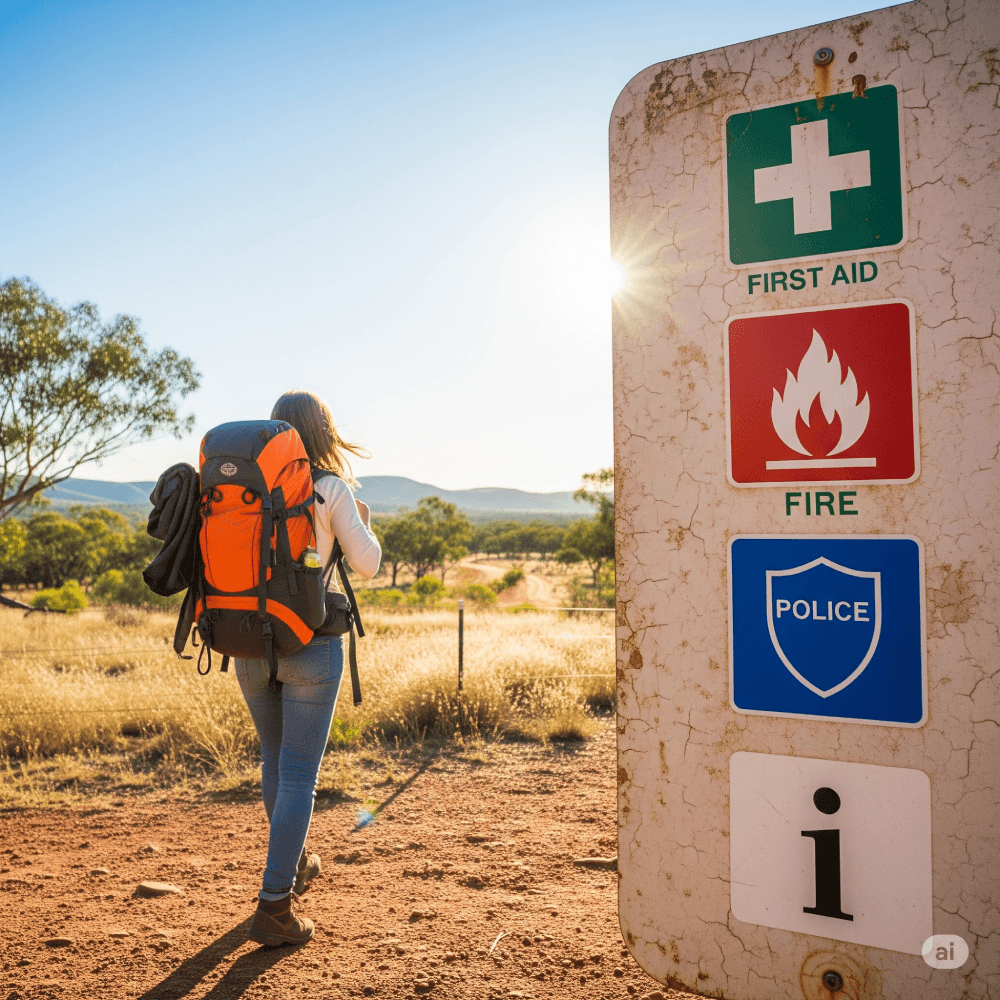
4. Natural Disasters and Extreme Weather
Australia is a land of genuine environmental extremes. Catastrophic bushfires, sudden flash floods, and northern cyclones are not rare edge cases — they are seasonal realities across different regions. Being caught in these events without knowing evacuation routes or how to receive emergency alerts is genuinely life-threatening, not just inconvenient.
Download the Bureau of Meteorology (BOM) app for real-time weather warnings before you leave for any regional posting. Familiarise yourself with state-specific emergency alert apps — the RFS app in NSW, the CFA app in Victoria, and the relevant apps for Queensland and WA. Always ask your hostel staff or farm manager about local evacuation procedures on your first day at a new location. This conversation takes five minutes and could save your life.
Frequently Asked Questions: Emergency Planning for Working Holiday Makers

Will my home country’s public health cover me in Australia?
In most cases, no. Australia has Reciprocal Health Care Agreements with a limited number of countries — including the UK, Ireland, and New Zealand — which cover medically necessary treatment. However, these agreements do not cover ambulance call-outs, medical evacuation, or dental work. You still need comprehensive private travel insurance regardless of your nationality.
How do I handle a vehicle breakdown in the outback?
The golden rule of outback travel: never leave your vehicle. Your car is significantly easier for search planes and rescue services to spot than a person on foot, and it provides vital shelter from the sun. Always carry a minimum of 10 litres of emergency water per person when travelling remote routes, and ensure someone knows your planned route and expected arrival time before you depart.
What if I feel unsafe at my regional farm job?
Your safety and mental health are paramount — they come before your 88-day count. If an employer is abusive, withholding pay, or requiring you to work in genuinely dangerous conditions, leave immediately. Document everything with photos and written records, contact the Fair Work Ombudsman to report the breach, and reach out to fellow backpackers or your hostel network for immediate support.

Fast-Track Your Farm Work Safely with a Trusted Network
One of the biggest financial emergencies working holiday makers face is not losing their wallet — it is bleeding their savings dry while sitting in an expensive city hostel, endlessly searching for legitimate regional work. Every week you spend jobless is a week of wages lost and a week closer to your visa expiring. A strong working holiday emergency plan for Australia includes having a reliable path to regional work from day one, not improvising it on arrival.
Backpack Australia has direct contact with over 4,000 eligible, vetted employers and connects with virtually all the working hostels across the country. We bypass the scams, the ghost listings, and the farms where the harvest season has already passed — putting you directly in front of employers who need workers right now. Knock out your 88 days fast, start earning immediately, and get your visa extension finalised without the last-minute panic.
Sign Up for the Job Help Programme Newsletter to get immediate access to our exclusive employer and hostel networks today.
Conclusion: Prepare for the Worst, Enjoy the Best
Backpacking Australia is meant to be the adventure of a lifetime — and a solid working holiday emergency plan in Australia is what ensures it stays that way. By anticipating the unique challenges of regional travel and farm work, backing up your documents, securing comprehensive insurance, protecting your finances across multiple methods, and staying informed about natural hazards, you ensure that a bump in the road remains just that — a bump. Prepare properly, lean on trusted networks, and spend your time fully embracing everything this extraordinary country has to offer. Safe travels, and get to work.