
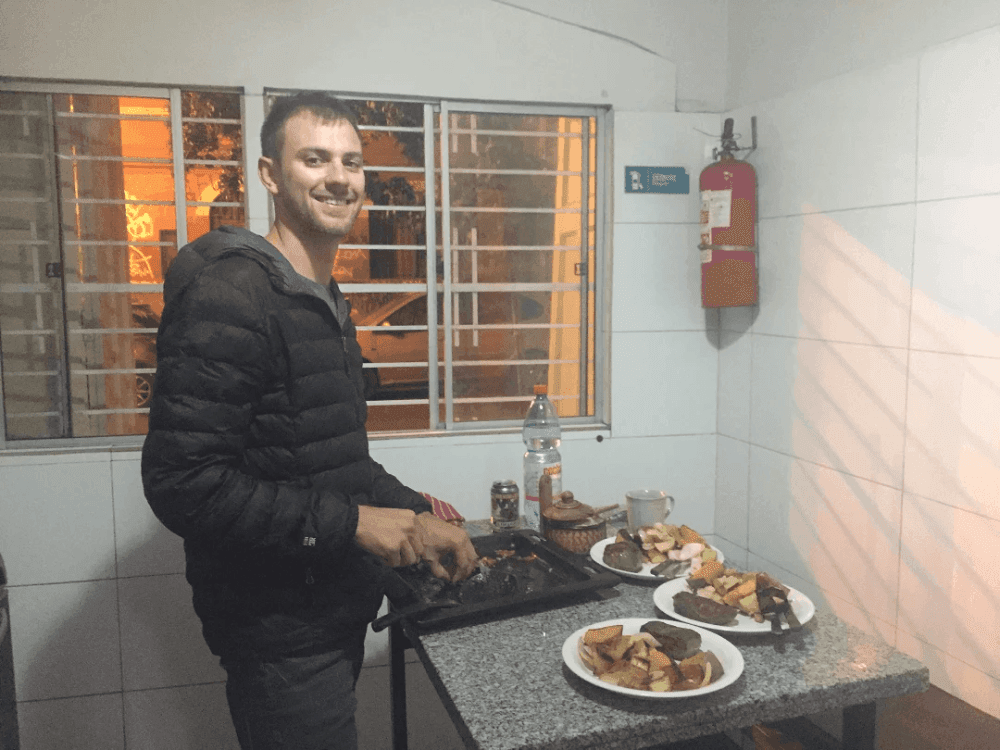
Mastering hostel cooking in Australia is one of the most powerful things you can do for your working holiday — both for your budget and your body. Australia is beautiful, but it is not cheap. Dropping $25 on a pub meal every night will drain your travel funds faster than you can say G’day. Beyond the financial reality, if you are waking up at 4:30 AM to endure the crushing humidity of picking bananas in Tully, Queensland, or hauling heavy buckets through a citrus season in Mildura, Victoria, a diet of instant noodles will not sustain you through a single week. This guide covers everything you need to dominate the communal kitchen — the right gear, smart budgeting tactics, stress-free meal ideas, and the etiquette that makes shared cooking spaces work for everyone.
Why Hostel Cooking in Australia Is a Backpacker Superpower
The financial case for cooking your own meals in Australian hostels is straightforward: consistent self-catering across a six-month working holiday can save you thousands of dollars that go directly toward visa extensions, road trips, or simply staying afloat during quieter work periods.
But the case goes beyond money. On piece rates — where every bin you fill determines your weekly paycheck — nutrient-dense, home-cooked meals are a performance strategy. Real carbohydrates, lean protein, and fresh vegetables fuel the kind of sustained physical output that farm work demands. The hostel kitchen is also one of the best social environments on the entire backpacker circuit: sharing a meal or swapping recipes over a boiling pot of pasta is the fastest way to break the ice and find your next travel companion or work lead.
Essential Gear and Pantry Staples for Hostel Cooking in Australia
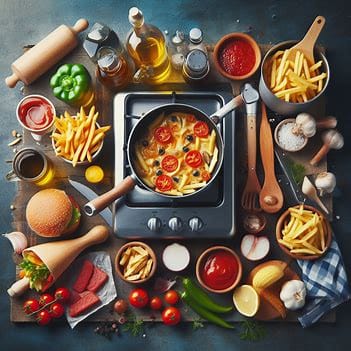
Most Australian backpacker hostels provide basic pots, pans, and utensils — but the quality is wildly inconsistent. To genuinely take control of your diet across multiple different hostels and regional working accommodations, you need a minimal but reliable personal kit.
- A compact travel cooking kit — a small pot, pan, and basic utensils that fit in your pack and guarantee you are never stuck in a hostel with nothing to cook with.
- A personal spice and condiment kit — small containers of salt, pepper, chilli flakes, mixed herbs, soy sauce, and olive oil prevent flavour fatigue across weeks of simple cooking.
- Reusable containers — for storing leftovers, batch-cooked meals, and prepped ingredients. Absolutely essential for packing field lunches and managing communal fridge space efficiently.
When sorting out your essential travel gear, insulated cooler bags, and durable food storage items, check out the trusted recommendations on the Backpack Australia Resources Page. Investing in a few quality items upfront saves significant headaches down the road — especially once you hit regional areas where restocking is difficult.
Navigating the Chaos of the Communal Kitchen
Walking into a packed hostel kitchen at 7:00 PM can feel like stepping into a battlefield. To thrive at hostel cooking in Australia, you need a clear strategy before you even pick up a knife.
Timing Is Everything
Cook during off-peak hours — late morning or early afternoon — when fewer people are competing for stove space and bench space. Be aware that most Australian hostels enforce a kitchen cut-off time around 10:00 PM, so plan your dinner timing accordingly, especially if you are on a late farm shift schedule.
Prep Like a Pro
Prepping your ingredients before you enter the kitchen dramatically reduces the time you spend fighting for bench space. Chop vegetables, measure out dry ingredients, and portion proteins in your room or at an empty dining table before you even approach the stove. In a 300-bed city hostel or a remote 20-person working hostel in the outback, this habit makes you universally popular with your kitchen-mates.
The Golden Rule of Cleanup
Always leave the kitchen cleaner than you found it — without exception. Wash, dry, and put away your items immediately after cooking. This single habit maintains hygiene, keeps the space pleasant for everyone, and is a core part of the communal living etiquette that makes working hostel life genuinely enjoyable rather than stressful.
Budget Hacks and Smart Meal Planning for Australian Hostel Cooking
Stretching your Australian dollar through smart hostel kitchen cooking requires a system, not just good intentions. These strategies consistently make the biggest difference.
The Free Food Shelf
Almost every Australian hostel kitchen has a free food shelf — a designated area where departing backpackers leave behind non-perishable ingredients they cannot take on their next bus or flight. Always check it before doing your grocery run. It is regularly stocked with pasta, rice, canned goods, spices, and condiments, and it is one of the most underused resources on the entire backpacker circuit. Using it also reduces food waste, which matters in a country where sustainable travel is taken seriously.
Shop Local and Cook Smart
Visit local markets for fresh, affordable produce — this supports the local economy and consistently delivers better quality at lower prices than supermarket equivalents. According to Choice Australia, shoppers who plan meals in advance and buy seasonal produce spend significantly less on food each week — a straightforward habit that adds up to hundreds of dollars saved over a full working holiday season.
Batch Cook for Busy Days
Cooking in large quantities on your day off saves time, money, and kitchen competition on your busiest adventure and work days. These are the most reliable batch-cooking options for hostel cooking in Australia on a farm work schedule:
- One-pot pasta — quick to prepare, minimal clean-up, and endlessly customisable with whatever vegetables or protein are on special that week.
- Stir-fried vegetables and rice — a healthy, fast meal that reheats well and uses up whatever fresh produce needs to be eaten before it turns.
- Hearty lentil stew or chili con carne — high in protein, incredibly filling, cheap per serve, and improves in flavour over two to three days in the fridge.
- Pasta bakes — cook a large tray on Sunday and portion it into containers for field lunches through to Wednesday.
- Wraps and sandwiches — prepped in the morning and packed for days on the move or long farm shifts where stopping to cook is not an option.
If your hostel provides a slow cooker or multi-cooker, use it. These appliances allow you to start a meal before your shift and come back to a hot, ready dinner with zero active kitchen time.
Frequently Asked Questions: Hostel Cooking in Australia
How do I prevent my food from being stolen in a communal fridge?
Label every item stored in the communal fridge with your name and check-out date — clearly and permanently. Keep dry goods in a heavy-duty reusable bag stored in your assigned locker or under your bed rather than the shared kitchen. If food consistently goes missing, report it to hostel staff who can monitor the space and enforce communal rules.
What are the best meals to cook when doing heavy farm work?
Prioritise complex carbohydrates and lean protein for sustained energy across 10-hour physical shifts. Batch-cooked meals like chili con carne, heavy pasta bakes, and hearty lentil stews are ideal — they reheat quickly, travel well in containers to the field, and provide the sustained caloric density that piece-rate farm work demands.
What exactly is the free food shelf and can I always rely on it?
The free food shelf is a designated area in almost every Australian hostel kitchen where departing backpackers leave non-perishable items behind. It is a genuine resource but not a guaranteed one — availability varies daily. Always check it before shopping, but never plan your weekly nutrition entirely around it.
Fast-Track Your 88 Days and Start Earning Sooner
Mastering hostel cooking in Australia is a huge step toward thriving on your working holiday — but it means nothing if you are burning through savings while unemployed and waiting for regional work to materialise. Far too many backpackers waste crucial weeks sitting in expensive city hostels, sending unanswered resumes, falling victim to online scams, and missing out on thousands of dollars in potential wages. This is the most preventable financial problem on the entire Australian backpacker circuit.
Backpack Australia has direct contact with over 4,000 eligible regional employers and connects with virtually all the legitimate working hostels across the country. Joining our network is far easier and quicker than going it alone — allowing you to knock out your 88 days of eligible work fast, start earning immediately, and get your visa extension finalised without the last-minute panic.
Sign Up for the Job Help Programme Newsletter to get immediate access to our exclusive employer and hostel networks today.
Conclusion
Hostel cooking in Australia does not have to be a stressful daily battle — it is one of the best parts of backpacker life when you have the right system in place. Bring the right gear, respect the communal space, plan your meals around your work and travel schedule, and use every budget hack available to you. You will save thousands of dollars over the course of your trip and ensure your body is properly fuelled for whatever wild adventures — and hard farm shifts — the Australian landscape throws your way. Grab your reusable bags, hit the local markets, and get cooking.