
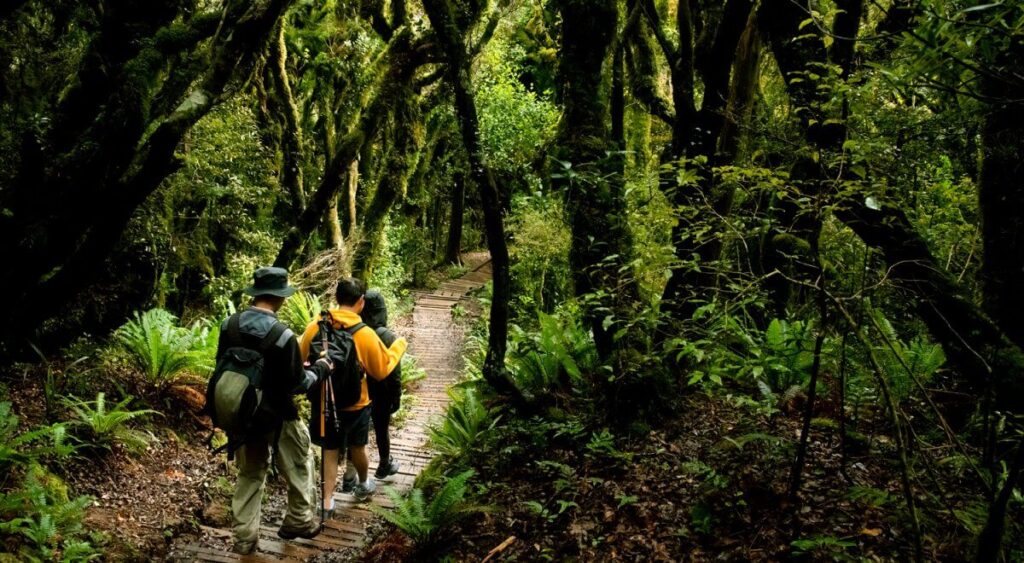
Embracing a digital detox while backpacking in Australia might be one of the most financially and personally rewarding decisions you make on your working holiday — and yet it is the last thing most people consider before they land. Your smartphone is genuinely useful: maps, translation, job hunting, banking, staying connected with home. But spending too much time on your phone is one of the most insidious problems facing modern travelers, silently stealing the very experiences you flew thousands of kilometres to have. This guide covers the hidden costs of the backpacker “digital leash,” the specific ways that excessive phone use directly costs you money on regional farm work, and a practical step-by-step blueprint for putting your device in its rightful place without going cold turkey.
The Hidden Costs of the Backpacker Digital Leash
The specific costs of excessive phone use during a working holiday in Australia go far beyond missing a sunset for a photo — they affect your income, your safety, and the quality of every human connection you make on the road.
Missed Moments and Diminished Presence
Instead of genuinely experiencing the grandeur of the Twelve Apostles or the vibrant street art of Melbourne, you end up observing them through a camera lens while managing your composition and upload speed. You are physically present and mentally absent. Your memories become a curated collection of images rather than visceral, multi-sensory lived experiences that stay with you for decades.

Superficial Connections and Social Isolation
Picture the classic hostel common room: instead of striking up the conversations that lead to genuine friendships, travel leads, and farm work connections, people retreat into their screens. Excessive phone use creates an invisible barrier to the authentic human interaction that defines the best working holiday experiences. Backpacking is fundamentally about people — and a phone held between you and every new person you meet is a guaranteed way to keep relationships shallow.
Financial Drain and Data Overload
Constant connectivity consumes significant data and drives costly plan upgrades. Relying entirely on Wi-Fi means wasting time hunting for connections in regional areas where availability is genuinely sporadic. Budget blowouts on data costs and constant connectivity divert hard-earned money away from the experiences, savings, and visa extension requirements that actually matter.
Safety Risks
Looking down at your phone while walking in unfamiliar regional areas increases your risk of theft, accidents, and missing critical local wildlife or hazard warnings. This is a genuine and avoidable safety risk — particularly in agricultural and remote environments where situational awareness is directly linked to your physical safety.
Digital Burnout
The relentless stream of notifications, social media comparison, and the pressure to document every moment can rapidly cause digital fatigue that compounds general travel exhaustion. The result is heightened anxiety, reduced enjoyment, and a working holiday that feels less like an adventure and more like an endless performance.
Why Your Phone Is Sabotaging Your Regional Farm Work
The most financially concrete case for a digital detox as a backpacker in Australia is the direct impact of phone use on your piece-rate farm earnings. This is not a lifestyle argument — it is arithmetic.
Imagine picking bananas in the crushing 90% humidity of Tully, Queensland, or hauling heavy canvas picking bags during the citrus harvest in Mildura, Victoria. Mornings start at 4:30 AM, the work is brutally physical, and on piece rates you are paid based entirely on how much you harvest — not how long you are there. If you are stopping every five minutes to check social media, change your playlist, or respond to messages, your daily bin tally will be significantly lower than a focused colleague picking alongside you. The gap between a distracted picker and an engaged one, across a full day on piece rates, can easily represent $50 to $100 in lost daily earnings.
Beyond income, farmers and labour hire contractors have genuine safety reasons for zero tolerance of distracted workers. Agriculture involves heavy machinery, tractors, venomous wildlife, and fast-paced physical environments. Being present and engaged is precisely what separates the top-earning backpackers who secure reliable employer sign-offs from those who lose placements in the first week. Our team at Backpack Australia shares this directly with every traveler we help prepare for regional jobs. For durable farm wear, wide-brim hats, and hydration gear that reduces your need to reach for your phone mid-shift, check the Backpack Australia Resources Page.

The Backpacker’s Blueprint to a Practical Digital Detox in Australia
A meaningful digital detox while backpacking Australia is not about throwing your device into the ocean — it is about intentional, deliberate use that serves you rather than controlling you. Here is a practical step-by-step approach.
Establish Strict Tech-Free Zones
Decide in advance exactly when and where you will use your phone. Designate specific activities as completely tech-free: communal meals, conversations with new people at the hostel, guided walks, and any moment in a genuinely extraordinary natural setting. And absolutely keep it tucked away during your working hours on any farm placement.
Leverage Offline Tools
Download offline map areas in Google Maps or Maps.me before leaving any Wi-Fi zone. Invest in a lightweight physical guidebook and a paper map of any new region. Neither requires battery power, and both naturally encourage you to look up at the world around you rather than down at a screen.
Embrace the “Lost Phone” Mentality
Occasionally, challenge yourself to leave your phone securely locked in your hostel locker during a walk to a local café or exploration of a new neighbourhood. Force yourself to navigate by asking locals, reading physical signs, and solving small problems independently. This builds genuine self-reliance and consistently produces the most memorable travel moments.
Recharge Strategically
Charge fully overnight and carry a reliable power bank so that battery anxiety never controls your itinerary. A full battery means you can choose deliberately when to use your phone rather than being forced to find any available plug. For rugged power banks built to survive Australian outback conditions, browse the electronics recommendations on the Backpack Australia Resources Page.
Pack Analogue Entertainment
A deck of cards, a physical novel, and a notebook and pen are powerful tools for fostering genuine interaction in hostel common rooms and for processing your travel experience in a way that scrolling never allows. Journaling specifically about your daily experiences, the people you met, and what surprised you creates the rich memory archive that social media never actually provides.

Frequently Asked Questions: Digital Use While Backpacking Australia
What is the best mobile network for regional farm work in Australia?
Coverage is the defining factor once you leave major coastal cities. Telstra offers the widest rural and remote network coverage across Australia and is the clear recommendation for anyone completing 88 days in regional agricultural areas. Optus is a solid secondary choice for more populated regional hubs. Avoid smaller budget networks if you are venturing significantly off the main highways.
How do I stop blowing my budget on mobile data?
Use free Wi-Fi at public libraries, major shopping centres, and hostels for heavy data tasks — video calls, downloading maps, streaming. Turn off Background App Refresh in your phone settings, rely heavily on pre-downloaded offline maps, and choose a prepaid monthly plan over daily roaming charges from your home country provider.
Will I actually need my phone during my 88 days of farm work?
Only for genuine emergencies, the occasional photograph, and perhaps a weather check before a shift. Keep it securely zipped in your bag during work hours. Australian farm environments — dust, heat, humidity, and the occasional brief rain — are consistently hard on unprotected electronics, so physical protection is also important even when the device is not in use.
Secure Your 88 Days and Stop Scrolling for Work
The biggest hidden cost of the digital leash on a working holiday is not missed sunsets — it is the weeks spent scrolling job boards and Facebook groups trying to find legitimate regional farm work independently. That time is potential wages you will never recover, and that scrolling is often leading you toward scams and dead-end listings rather than legitimate visa-eligible placements.
Backpack Australia has direct, vetted contact with over 4,000 eligible employers and connects with virtually all the legitimate working hostels across Australia. We remove the guesswork entirely — putting you directly in front of employers who need workers right now, through a network built on verified relationships rather than unvetted online listings. Knock out your 88 days fast, start earning immediately, and get back to the genuine adventure that no screen can replicate.
Sign Up for the Job Help Programme Newsletter to get immediate access to our exclusive employer and hostel networks today.
Conclusion: Look Up and Live the Dream
Your smartphone is a tool — a genuinely useful one when treated that way. A digital detox while backpacking Australia does not mean abandoning it; it means putting it in its rightful place so it serves your adventure rather than replacing it. Set firm boundaries, embrace deliberate moments of disconnection, prioritise the face-to-face interactions that define the working holiday experience, and keep your phone in your bag during farm shifts where your earnings depend on your full, undivided focus. The real Australia is spectacular. Step outside, look up, and actually live it.