

Backpacker safety in Australia is about far more than locking your passport in a hostel locker. It means knowing how to spot a fraudulent farm employer before you sign anything, protecting your cash across multiple regional moves, identifying the classic distraction tactics of urban pickpockets, and understanding exactly what your legal rights are when a farmer tries to underpay you on piece rates. Australia is the land of endless sunshine, breathtaking landscapes, and genuinely friendly locals — but working holiday makers who arrive with an open heart and no situational awareness make themselves easy targets. This guide gives you the gritty, boots-on-the-ground knowledge to stay safe, scam-free, and fully in control from your first day to your last.
Protect Your Valuables: Hostel Security for Backpackers in Australia
Petty theft is a reality in any major global travel hub, and Australian cities and hostels are no exception. It is rarely violent, but losing your passport, hard-earned savings, or phone can completely derail your visa timeline and your 88-day count. A few non-negotiable habits eliminate the vast majority of the risk.
The Locker Rule: No Exceptions
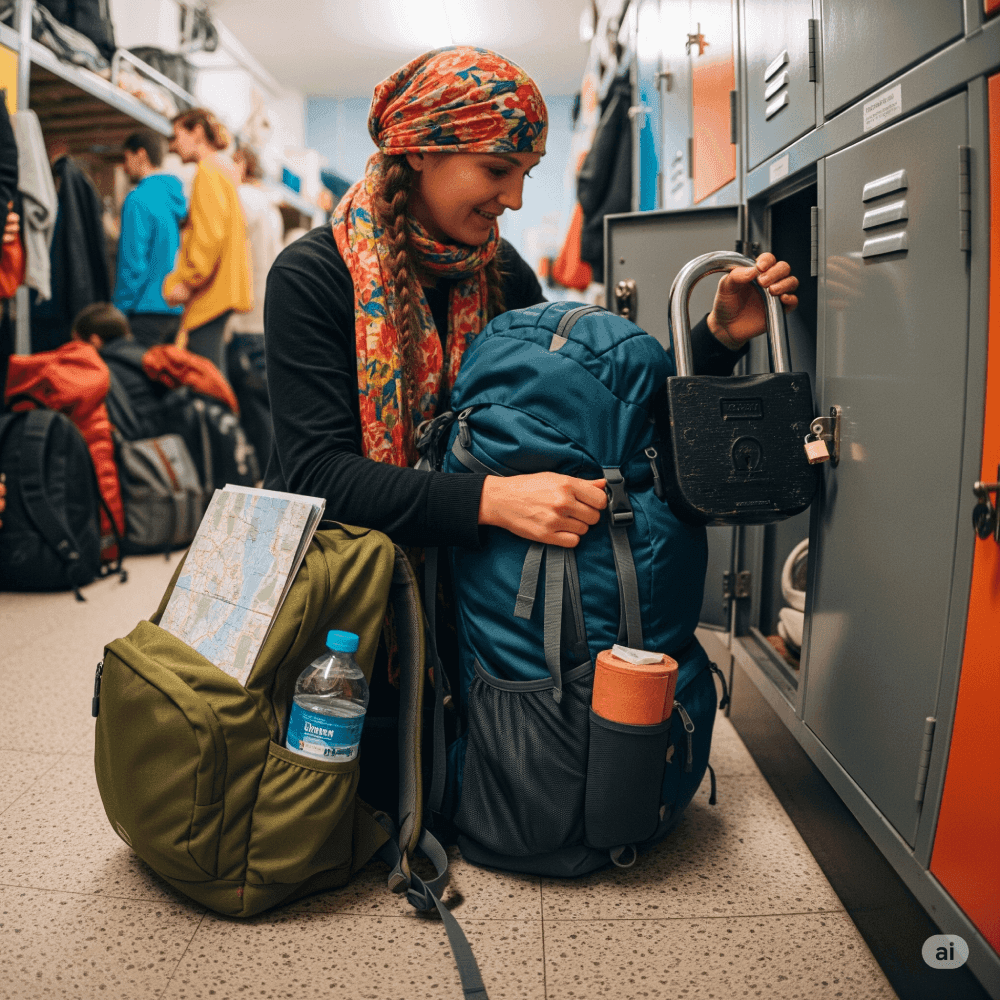
Never leave your gear unsecured — even if you are stepping into the hallway for a five-minute shower. Your passport, cash, laptop, and camera go in the locker every single time without exception. Use a combination padlock rather than a keyed lock, which is easily lost at a beach or a bar. For reliable combination locks, anti-theft daypacks, and discreet money belts suited to Australian hostel life, check out our recommended gear on the Backpack Australia Resources Page.
Avoid the Charging Station Trap
Leaving your phone or tablet charging unattended on your bunk or a communal wall socket is an open invitation for walk-away theft. If you need to charge devices while you sleep, keep them tucked inside your sealed sleeping bag liner or under your pillow — never visible on an open bunk in a shared dorm.
Strategic Separation of Assets
Never keep all your financial lifelines in one place. Carry a small amount of daily cash in a secure pocket. Store your main debit card separately from your backup credit card. Keep an emergency $100 note hidden in a discreet compartment in your luggage — an empty lip balm tube or a hidden bag pocket works well. If one card or wallet is lost or stolen, you always have a fallback.
Street Smarts in Public Spaces
Maintaining travel safety in Australia extends well beyond the hostel. Urban tourist areas carry their own distinct risks that catch off-guard backpackers regularly.
Recognise Distraction Tactics
Pickpockets frequently work in teams. Stay highly alert in busy tourist precincts like Sydney’s Circular Quay or Melbourne’s CBD. If someone aggressively asks for complex directions, “accidentally” spills something on you, or tries to hand you a “free” bracelet — secure your bag immediately and walk away without engaging further.
ATM Vigilance
Always use ATMs located inside bank branches or well-lit shopping centres rather than standalone street machines, which are prime targets for card skimmers. Cover your PIN without exception, and politely but firmly decline if a “helpful” stranger offers assistance when a machine glitches.
Navigating Social Interactions: Building Trust the Right Way
Meeting new people is one of the best parts of the working holiday experience — but the shared bond of being a backpacker can create an illusion of instant, deep trust that has not actually been earned. Healthy caution and open-heartedness are not mutually exclusive.
- Shared costs and split bills — if you are renting a campervan with newly made friends or splitting bulk groceries, keep meticulous records and use bill-splitting apps. Never lend significant sums — like a share house bond — to someone you met at a pub three days ago.
- Digital connections and dating — when meeting someone from a dating app or backpacker Facebook group, always arrange the first meeting in a busy, well-lit public place. Tell a dorm mate or someone back home exactly where you are going, who you are meeting, and when you plan to return. Arrange your own transport home independently.
- The “too good to be true” pitch — a heavily discounted Great Barrier Reef tour bought from a man on the street or an incredibly cheap second-hand 4×4 are classic traps. Always use authorised agents and get proper mechanical inspections on vehicles before handing over any money.
Spotting Farm Work Scams: Regional Safety for Working Holiday Makers
For Working Holiday Visa holders, securing the required 88 days of regional work is often the single biggest hurdle of the entire trip — and the desperation to lock in a visa extension makes backpackers prime targets for exploitation. This is not a glamorous Instagram reel. Farm work is genuinely gruelling: the suffocating 90% humidity of picking bananas in Tully, Queensland, or the bone-chilling frost-covered early mornings of citrus picking in Mildura, Victoria. Our team at Backpack Australia helps travelers prepare for regional jobs every season — and knowing your workplace rights is the difference between saving thousands of dollars and going completely broke.
According to the Fair Work Ombudsman, working holiday makers are among the most frequently underpaid groups in Australia — making it essential to know the red flags before you accept any regional position.
Red Flags and How to Protect Yourself
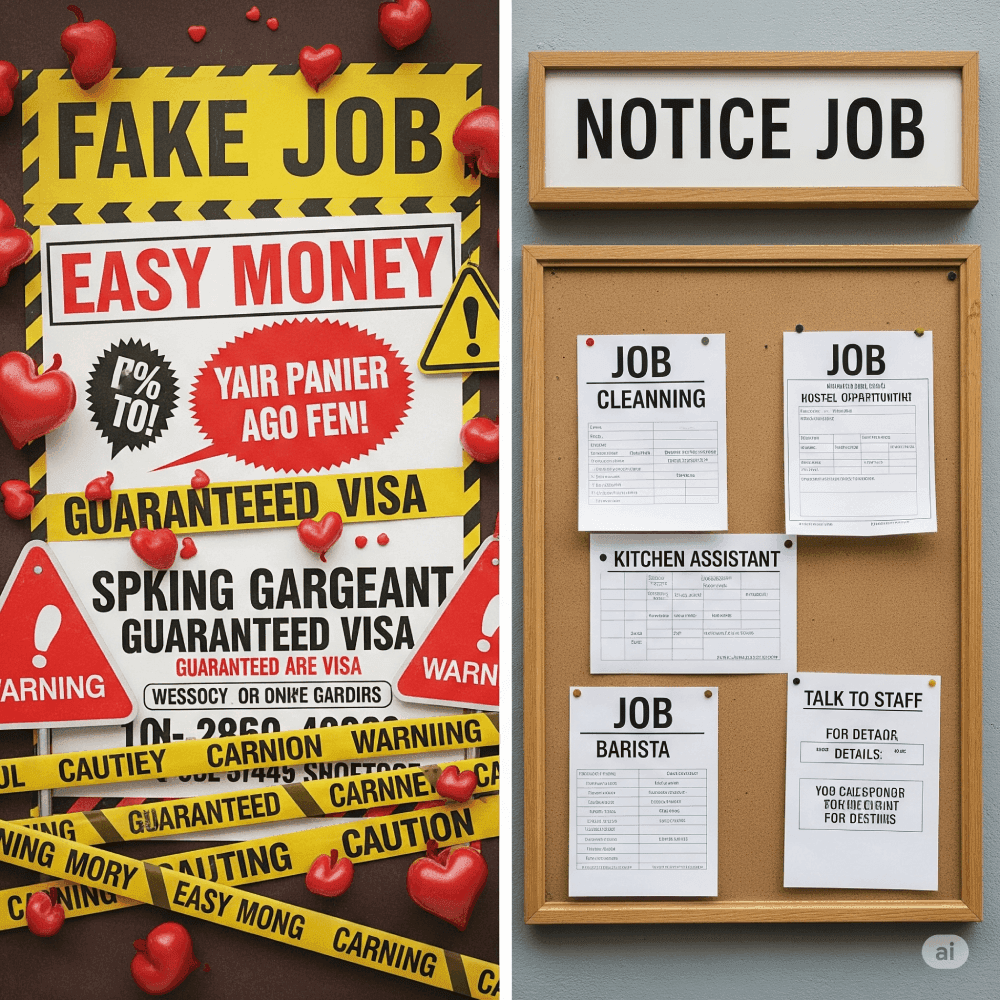
- Upfront job fees — it is strictly illegal under Australian law for an employment agent to charge you a fee to secure a job. If a contractor asks for a “deposit” to hold your spot on a harvest trail, walk away immediately and report them.
- Cash-in-hand offers — working off the books means zero insurance if you are injured on a tractor or in the field. More critically, cash-in-hand work does not count toward your WHV extension. Legitimate employers provide payslips, pay superannuation, and deduct tax correctly.
- Missing ABNs — every legitimate Australian business holds an Australian Business Number. Before accepting any regional job, ask for the farm’s ABN and verify it for free on the official Australian Business Register. If they refuse to provide one, it is a scam.
- Piece rate exploitation — piece rates are legal, but by law they must be calculated so that an average competent worker earns at least 15% above the minimum hourly wage. There is also a legal minimum wage floor for pieceworkers. If a farmer tells you that you will only earn $30 for a 10-hour day because you are “too slow,” they are likely in breach of Fair Work legislation.
Frequently Asked Questions: Backpacker Safety in Australia
Do I really need to lock up everything in a hostel?
High-value items — electronics, cash, passport, bank cards — must be permanently locked up every time you leave your bunk, without exception. A messy bed is completely fine; an unsecured laptop or wallet is not.
What should I do if an employer refuses to give me payslips?
By law, Australian employers must issue a payslip within one working day of paying you. If they refuse, keep a detailed personal diary of your exact hours worked and take photos of your harvest bins as evidence. Then contact the Fair Work Ombudsman immediately to report the breach — this is what they exist for.

Can I use digital copies of my passport for farm work inductions?
Legitimate employers will need to verify your Right to Work in Australia via a VEVO check, which requires your passport details. Providing a clear digital scan is standard practice and accepted widely. However, never hand your original physical passport to a hostel manager or farm contractor to “hold as collateral” — this is a well-documented scam.
Are working hostels safe?
Reputable working hostels are excellent community hubs that provide transport to farms and genuine camaraderie. Unvetted, overcrowded boarding houses run by unregistered contractors are an entirely different matter. Always read recent reviews from other backpackers before committing to a working hostel and use verified, trusted networks wherever possible.
Fast-Track Your 88 Days Through a Trusted Network
The massive opportunity cost of getting backpacker safety in Australia wrong is not just personal — it is financial. Thousands of working holiday makers waste weeks scrolling through fraudulent Gumtree ads, arriving in regional towns during harvest delays, or bleeding cash in expensive city hostels while waiting for a dodgy contractor to return their call. Every week unemployed is a week of wages lost and a week closer to visa expiry.
Backpack Australia has direct, vetted contact with over 4,000 eligible employers and a network covering virtually all legitimate working hostels across the country. You do not need to guess which farms pay legal wages, and you do not need to stress about whether your visa will actually be signed off. We help you bypass the scams, knock out your 88 days fast, and start earning real wages sooner — so you can get back to what you actually came here to do.
Sign Up for the Job Help Programme Newsletter to get immediate access to our trusted employer and working hostel networks today.

Conclusion: Travel Smart, Live Fully
Backpacking across Australia is one of the most defining adventures you will ever have. By embracing a mindset of healthy caution — staying outgoing and hard-working while remaining alert to your rights and your surroundings — you dramatically reduce your risks and maximise your experience. Prioritise backpacker safety in Australia from day one: keep your gear locked, know your workplace rights before you step into the dirt, and lean on trusted networks to find legitimate regional work. Stay safe, work hard, and enjoy every sunset Down Under.