
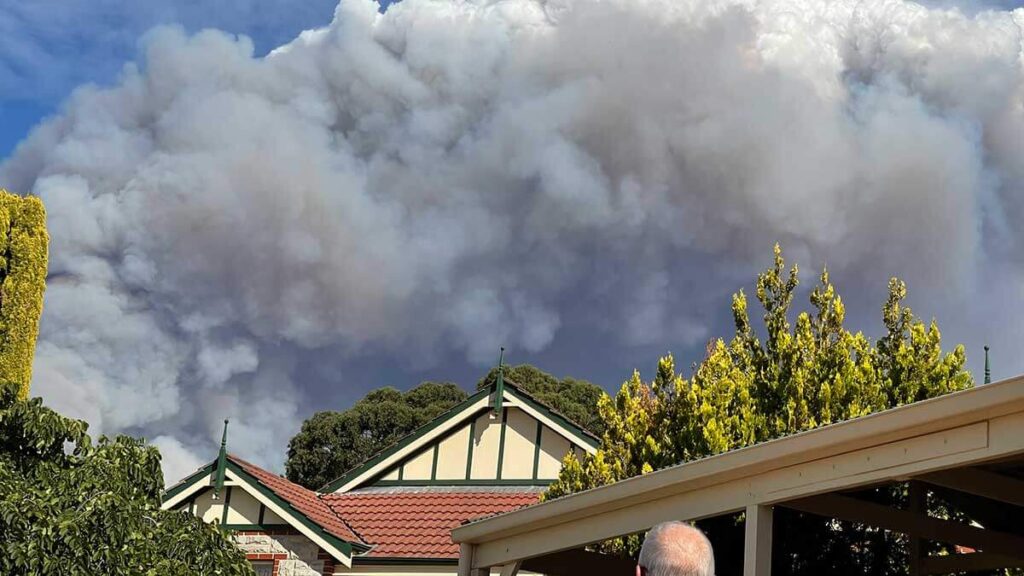
Understanding hostel fire safety rules in Australia before your first night in a dorm could save you thousands of dollars and your entire regional work placement. Picture this: you’ve just survived a gruelling 10-hour shift hauling banana bunches in the stifling humidity of Tully, Queensland. Your muscles ache, your boots are caked in mud, and you finally collapse onto your dorm bed wanting nothing more than a little zen sanctuary. You reach for a stick of patchouli incense to mask the smell of your work gear, or a small tealight to create relaxing ambiance. Stop right there. A small flame or smouldering stick poses a genuine risk in a hostel environment, potentially endangering yourself, your belongings, and everyone else under that roof. This guide breaks down exactly why naked flames are universally banned across Australian hostels, the real financial and legal consequences of breaking that rule, and how to safely unwind after a long day on the farm instead.
The Tinderbox Effect: Why High-Density Living Makes Flames So Dangerous
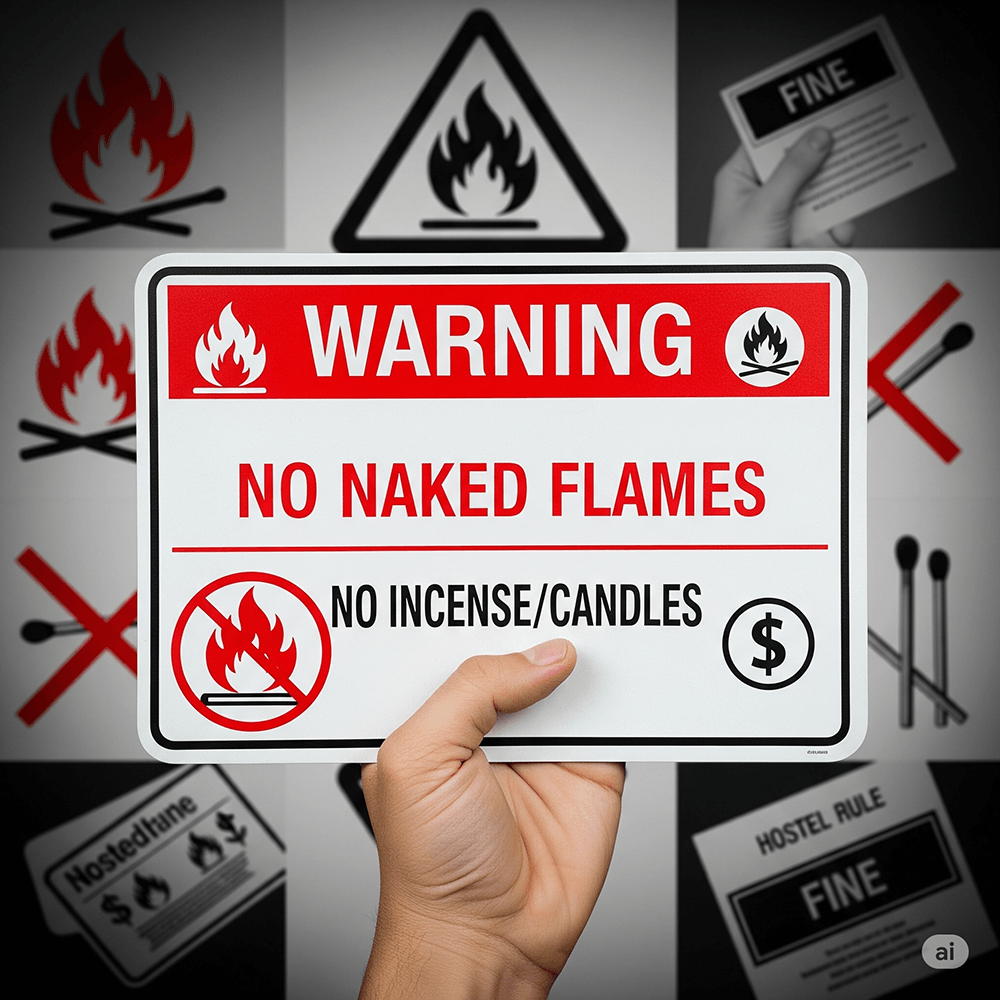
The prohibition of naked flames — candles, incense sticks, oil burners, and even certain heating decorative lights — is a fundamental safety regulation across virtually every Australian hostel. When you’re living in a working hostel, you aren’t just in a bedroom; you’re in a genuinely high-density living space, and hostel fire safety in Australia is treated with correspondingly serious rules.
- Highly flammable environments — dorm rooms are packed with synthetic bedding, blankets, mattresses, and pillows that catch fire rapidly and produce highly toxic smoke.
- A room full of fuel — personal belongings act as kindling. Consider the sheer volume of backpacks, clothes, plastic bags, and aerosol cans crammed into a single dorm.
- Structural risks — many classic Australian regional hostels feature older timber construction, which acts as a rapid conduit for fire spread.
- The unattended flame — after a 5:00 AM farm start, you are genuinely exhausted. Light a candle and doze off, and the flame keeps burning unattended. A bumped bunk, a gust of wind, or a sudden movement can knock an incense holder directly onto bedding.
- Rapid spread and evacuation risk — once fire starts in a room full of flammable materials, it can engulf the space in minutes, filling escape routes with deadly smoke. Evacuating a multi-storey building full of sleeping backpackers safely is a massive operational challenge under any circumstances.
Shared Air, Shared Scents: The Invisible Threat
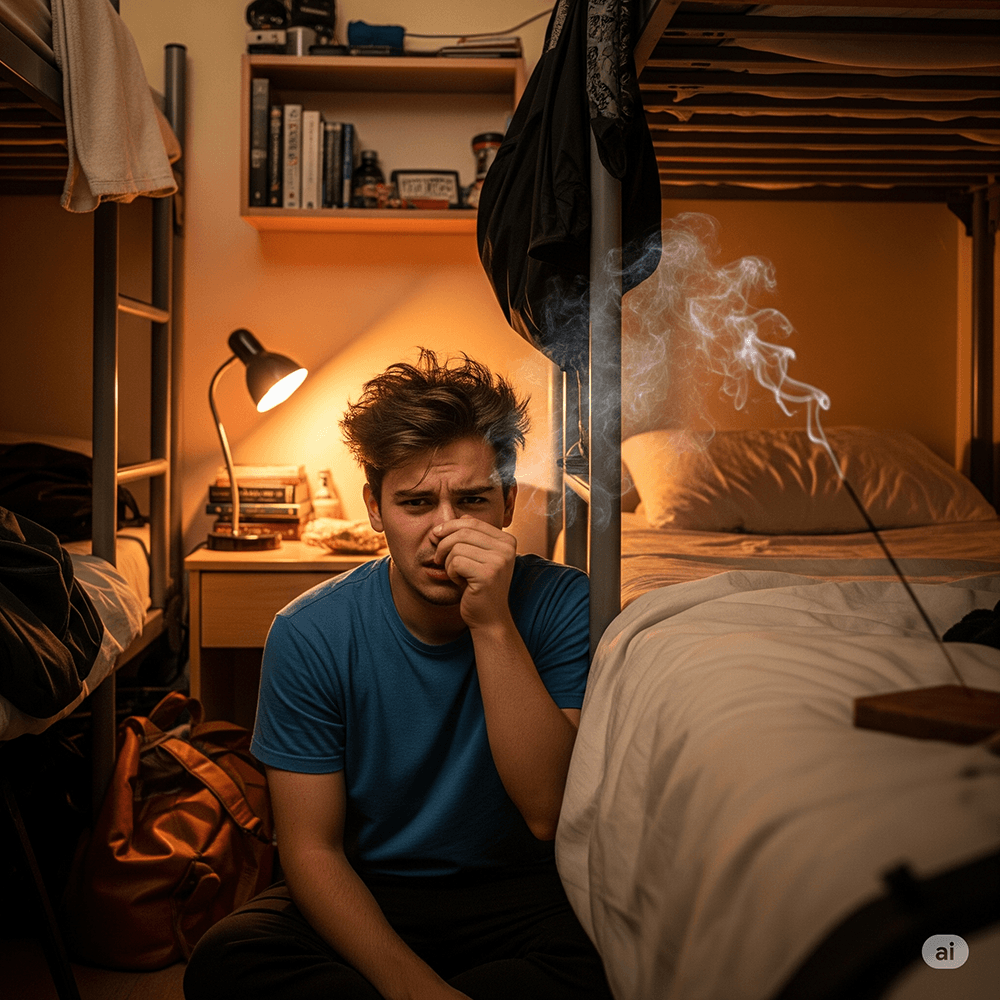
Beyond the immediate fire risk, incense and strongly scented candles create genuine discomfort for others. Hostel rooms have limited ventilation, meaning you share the air with multiple strangers whether you intend to or not.
Our team at Backpack Australia gives this practical advice when helping travelers prepare for regional jobs, because keeping the peace in shared accommodation is crucial for surviving your 88 days. When you’re living alongside workers pulling long piece-rate shifts — harvesting citrus in Mildura, for example — tempers run short. Subjecting an exhausted roommate to overpowering scents is a reliable way to cause genuine friction.
- Asthma and allergies — strong scents, smoke, and particulate matter from burning incense can be severe triggers. What feels like a mild annoyance to you could send a bunkmate into a genuine asthma attack.
- Physical discomfort — even for those without respiratory conditions, strong scents induce headaches, dizziness, or nausea, and some people have chemical sensitivities causing skin irritation.
- Lingering odours — incense smell doesn’t dissipate when extinguished. It permeates fabrics, mattresses, and walls, leaving a lingering odour for weeks — genuinely disrespectful to guests who check in after you.
Financial Ruin: Fines, Evictions, and Voided Insurance
Ignoring hostel fire safety rules in Australia isn’t just a faux pas — it carries serious personal, legal, and financial consequences that no working holiday budget can absorb.
Massive Fines for False Alarms
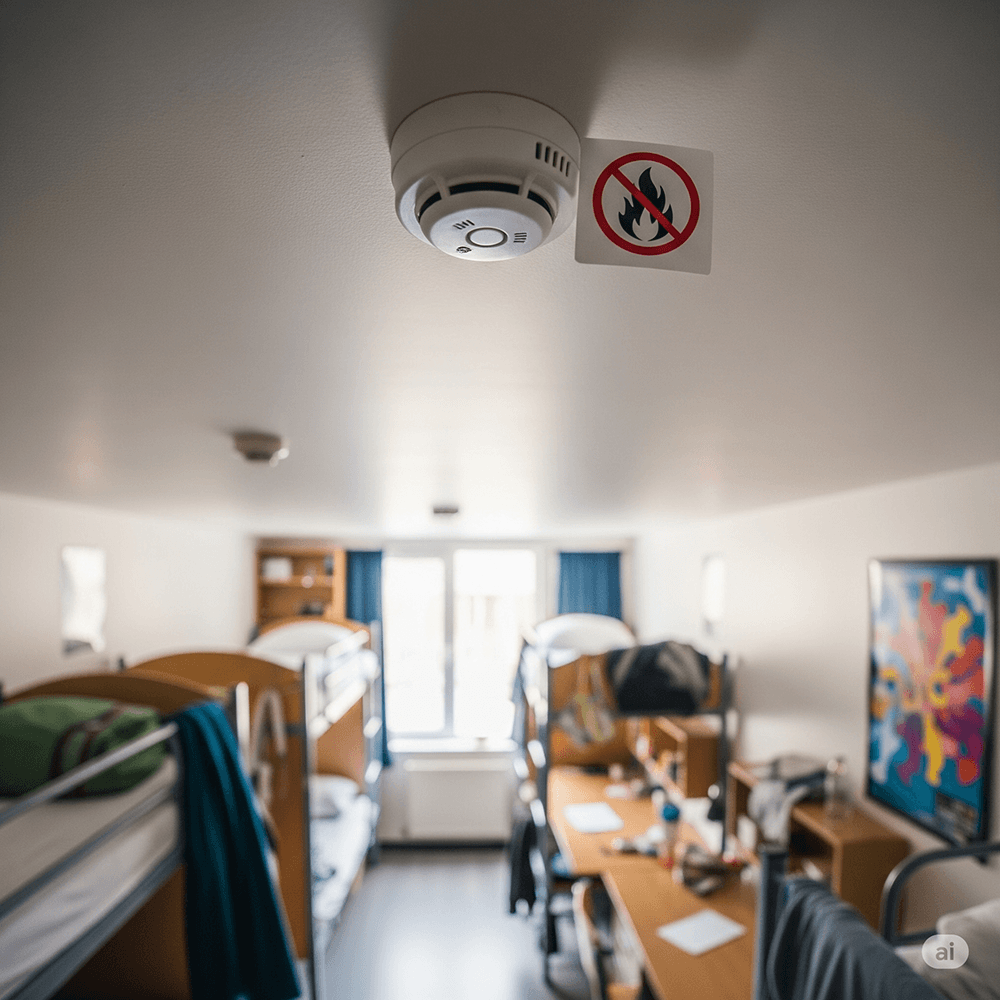
Hostels are equipped with highly sensitive smoke detectors designed to alert guests, not prevent fires outright. Smoke from a single incense stick is often enough to trigger an alarm. If your actions cause an activation, you will almost certainly be charged a significant fine covering the fire brigade call-out — which can run into thousands of dollars in Australia — plus compensation for disrupting other guests.
Immediate Eviction
Violating a fundamental safety rule is grounds for immediate eviction with no refund for unused nights. In a regional farming town where accommodation is notoriously scarce during harvest season, losing your hostel bed frequently means losing your farm job entirely, derailing your visa extension plans in a single careless moment.
Voided Travel Insurance
Most travel insurance policies include strict clauses invalidating coverage for damage caused by illegal activity, gross negligence, or disregard for accommodation rules. A fire you caused could leave you personally liable for property damage and medical costs for injured guests.
Legal Ramifications
A fire resulting from your actions could lead to serious legal charges — property damage, negligence, and endangerment of life. This risks a criminal record that heavily impacts your ability to remain in or return to Australia.
Safe Alternatives: Scenting Your Space the Right Way
You can still create a relaxing atmosphere without jeopardising anyone’s safety or your visa.
- Battery-operated LED candles — offer the warm, flickering glow of a real candle with zero fire risk.
- Electronic diffusers — use water and ultrasonic vibrations to disperse essential oils without heat or flame. If using one in a dorm, opt for mild scents used sparingly, and check with bunkmates first.
- Roll-on essential oils — apply directly to pulse points or temples for a personal aromatherapy experience that doesn’t affect the shared air.
- Scented sachets — dryer sheets or sachets placed inside your backpack or near your pillow provide a subtle, personal scent without any risk.
- Noise-cancelling headphones — sometimes real relaxation means blocking out hostel chaos entirely. Listen to soothing music or a podcast without disturbing anyone else.
Need to upgrade your travel kit before heading into the regions? From travel-safe diffusers to reliable noise-cancelling gear, check the Backpack Australia Resources Page for our top recommendations.
FAQ: Hostel Fire Safety and Etiquette in Australia
Can I burn incense if I leave the window open?
No. Even with ventilation, smoke can still trigger sensitive ceiling smoke detectors, and the scent still clings to fabrics and mattresses in the room. Naked flames are strictly prohibited regardless of ventilation arrangements.
What happens if I accidentally set off the fire alarm?
You will likely be held financially responsible for the fire brigade call-out fee, which can run into the thousands of dollars in Australia. You may also face immediate eviction from the property depending on the hostel’s policy.
Are plug-in air fresheners allowed?
Some modern plug-ins using gentle fan dispersion without heat are generally safer, but caution is still required. You are sharing an enclosed space, and strongly perfumed plug-ins can cause headaches and nausea for roommates regardless of the mechanism.
What’s the best way to deal with the smell of farm work clothes in a shared dorm?
Good ventilation and cleanliness are your best tools. Keep your area tidy, use the hostel’s laundry facilities frequently, and store dirty work boots outside the room or in sealed bags to prevent stale smells from taking over the dorm.
Stop Wasting Time: Fast-Track Your 88 Days
Understanding the rules of regional living is only half the battle — finding reliable, legitimate regional work is the real challenge. The opportunity cost of wasting weeks sitting in expensive city hostels trying to find farm work independently is staggering. Every week spent scrolling outdated job boards is a week not earning, with your visa clock ticking down regardless.
Backpack Australia has direct contact with over 4,000 eligible employers and connects with virtually all the working hostels across the country. Knock out your 88 days fast, start earning sooner, and secure your visa extension.
Sign Up for the Job Help Programme Newsletter to get immediate access to our exclusive employer and hostel networks today.
Conclusion
Your working holiday should be remembered for incredible landscapes, lifelong friends, and the challenges you overcame — not for an unfortunate incident involving an unattended candle. By understanding and respecting hostel fire safety rules in Australia, you protect yourself from massive financial penalties while showing genuine respect to the fellow backpackers sharing your space. Stay safe, travel smart, and get ready to conquer your regional work with confidence.