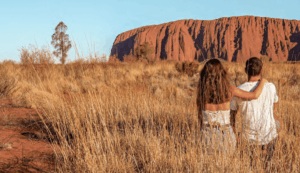

Doing genuine destination research before you land in Australia is what separates backpackers who thrive from those who blow their budget and miss critical harvest windows entirely. You’ve finally made it — sun-kissed landscapes stretching before you, promising epic road trips and a Working Holiday Visa extension. It’s tempting to just show up, wing it, and let spontaneity guide every step. But here is a gritty truth thousands of backpackers learn the hard way every year: while improvisation is great for a night out, failing to research your destinations in a country as vast and unforgiving as Australia leads to missed opportunities, massive budget blowouts, and genuine safety risks. This guide covers exactly what happens when you skip the planning phase, the specific climate and harvest data you actually need before booking anything, and how proper research protects both your wallet and your 88-day visa timeline.
The Blind Leap: The High Price of Arriving Unprepared
Winging it represents ultimate freedom to many backpackers. But treating a continent-sized country like a spontaneous weekend getaway comes at a genuine cost. Here is exactly what happens when you skip destination research for your Australian working holiday.
1. Climate and Seasonal Mismatches
Australia’s climate varies wildly from coast to coast. Arriving in Far North Queensland during the wet season (November to April) means intense humidity, torrential rain, mosquito swarms, and potential cyclone risk. Marine stingers can make ocean swimming hazardous or impossible without a protective suit. Conversely, arriving in Tasmania in the middle of winter expecting tropical beaches leads to a genuinely cold surprise.
This isn’t just about comfort — it impacts your work. Imagine turning up to pick bananas in Tully, Queensland, during the peak of the humid wet season without knowing what you’re in for, or arriving in Mildura, Victoria, expecting lucrative citrus picking only to discover you’ve missed the harvest window entirely. Not understanding regional climates leads to wasted money on unsuitable bookings and genuine health risks — heatstroke in the outback, hypothermia down south.
2. Budget Blowouts and Logistical Nightmares
Not knowing average costs of accommodation, transport, food, or activities in a specific area is a fast route to going broke. You arrive somewhere far more expensive than anticipated, run out of money faster than planned, and get forced into undesirable jobs out of sheer desperation. Failing to understand public transport options or the need to book ahead during peak season creates real logistical headaches — hours spent figuring out connections, or arriving to find everything fully booked.
3. Missing Working Holiday Visa Opportunities
Failing to research where and when regional work is available means missing crucial opportunities for your second or third-year visa extension. Some regions have highly specific, short harvest windows, and knowing this in advance is the key to getting hired. Without tracking seasons, you’ll find yourself travelling to areas with no available jobs, or taking dodgy cash-in-hand work that doesn’t legally count toward your visa extension at all.

The Power of Knowledge: How to Strategically Plan Your Route
Research doesn’t mean scheduling every minute — it means building a foundational understanding that empowers informed decisions and genuine spontaneity. Our team at Backpack Australia gives this practical advice daily when helping travelers prepare for regional jobs.
Map the Climate and Harvest Seasons
Australia is huge — when it’s winter in the south, it’s often the dry season with perfect weather in the tropical north. Check average temperatures, rainfall patterns, humidity, and events like cyclones, bushfire seasons, or marine stingers. Use the Bureau of Meteorology for historical data and forecasts, and check regional tourism websites for detailed “when to visit” guidance specific to each area.
Prep Your Gear for Regional Realities
Whether facing 5:00 AM starts on a frosty Victorian farm, pruning vines in South Australia, or sweating through a mango harvest in the Northern Territory, you need the right equipment. Turning up in canvas sneakers to a muddy, physically demanding farm job is a recipe for twisted ankles and immediate termination. For durable workwear, camping gear, and essentials, check the Backpack Australia Resources Page before you hit the road.
Lock Down Logistics and Safety
Research local transport, booking requirements, and travel times between destinations. Use platforms like Booking.com or Hostelworld to check average prices and how far in advance you need to book. Research general safety advice, local laws, and environmental hazards — how to deal with snakes, spiders, and crocodiles, and where to check local emergency services for fire or flood warnings.
The Working Holiday Visa Reality Check: Know Your Rights
If your goal is securing your 88 days, your destination research needs to be meticulous. The agricultural industry is tough — early mornings, stiff muscles, and the mental challenge of repetitive labour are all part of the deal.
- Understand eligible work types — research which specific jobs actually count toward second and third-year visa extensions.
- Check regional postcodes — verify which postcodes and regions are officially designated for regional work by the Department of Home Affairs before you commit to a location.
- Know your worth — research your rights as an employee in Australia, including minimum wage and mandatory breaks, via the Fair Work Ombudsman website to ensure you aren’t being exploited.
- Piece rates vs. hourly — be hyper-aware of how you’re paid. On piece rates, your speed dictates your wage, and if you aren’t physically prepared, you’ll struggle to make a living wage in your first weeks.
Frequently Asked Questions: Destination Research for Backpackers in Australia
Do I really need to book accommodation in advance?
Yes, absolutely. Not understanding the need to book ahead, especially during peak tourist seasons or local festivals, can leave you stranded with everything fully booked, leading to genuine frustration and unplanned expenses.
How do I make sure my farm work counts toward my visa?
Verify two things: the industry and the location. Check the Department of Home Affairs website to confirm the specific job type is eligible, and confirm the exact postcode of your employer is designated as a regional area for visa purposes.
What is the biggest budgeting mistake backpackers make?
Not researching typical costs for specific areas and planning a budget accordingly. Many assume regional towns are cheaper than cities, but remote locations often have higher food and fuel prices due to transport logistics. Always research average costs before you arrive to avoid running out of money mid-placement.
How can I stay safe regarding Australian wildlife and environments?
Research is your best defence. Be aware of specific local hazards — rip currents, dangerous wildlife like crocodiles and marine stingers — and check local emergency websites for bushfire and flood warnings. Pay close attention to safety briefings provided by local hostels on arrival.

Stop Wasting Time: Fast-Track Your 88 Days
Every week spent sitting in an expensive city hostel endlessly scrolling outdated Facebook groups trying to find legitimate farm work is a week of lost wages. It is genuinely avoidable to waste weeks slaving away independently while draining your savings.
Backpack Australia has direct contact with over 4,000 eligible employers and connects with virtually all the working hostels across Australia. We’ve done the heavy lifting, vetted the farms, and mapped out the harvest trails. Knock out your 88 days fast, start earning sooner, and get your visa extension sorted.
Sign Up for the Job Help Programme Newsletter to get immediate access to our exclusive employer and hostel networks today.
The Perfect Balance: Research vs. Spontaneity
At the end of the day, doing your homework doesn’t mean losing your spontaneity — it means establishing a solid foundation that enables smarter spontaneity. When you understand the climate, know your transport options, and have a reliable network for finding WHV employment, you can still make last-minute decisions, but they’ll be based on knowledge rather than guesswork. Knowing what to expect reduces stress, maximises your budget, and ensures your time in Australia is spent having richer, more fulfilling experiences. Do the research, prepare your gear, and connect with the right networks. Your future self — and your bank account — will thank you.