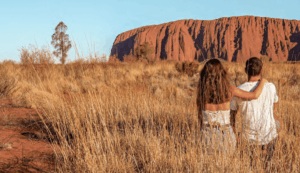

Dating while backpacking in Australia is one of the most unexpected and genuinely life-altering dimensions of the working holiday experience. The country’s vast landscapes, social hostel culture, and shared sense of adventure create an environment where connections form fast and run deep. Whether you are looking for a travel companion, a short-term fling, or something that outlasts the visa, navigating romance on the road requires both an open heart and a clear head. This guide covers where to meet fellow travelers, the specific dynamics of backpacker relationships, the practical realities of sharing finances and travel plans, how to stay safe when dating strangers, and — critically — how to ensure your regional work is sorted so that job stress never becomes the thing that kills the spark.
Where to Meet People While Backpacking in Australia
Finding genuine connections while backpacking across Australia is rarely difficult — the environment actively encourages it. Knowing where to direct your social energy makes all the difference.
Hostels as Social Hubs
Hostels are built for connection. Communal kitchens, shared dorm rooms, organised BBQs, and common areas all create the kind of low-pressure social environment where conversations start naturally and go somewhere real. A chat over a shared pot of pasta or a game of cards in the lounge has launched more genuine travel relationships than any dating app. Show up, be present, and put your phone down.
Group Tours and Regional Activities
Engaging in group activities with people who share similar interests — hiking tours, surf lessons, wine region day trips, or volunteer conservation days — creates natural, activity-based connection that removes the pressure of deliberately “meeting someone.” Shared experiences build bonds faster than shared spaces alone.
Dating Apps for Travelers
Do not dismiss technology. Dating apps used specifically in a travel context can connect you with other solo backpackers or local singles who are genuinely open to meeting travelers. The key is using them as a complement to real-world socialising rather than a replacement for it — and always following the safety protocols outlined below before meeting anyone.

The Fast-Paced Reality of Backpacker Romance in Australia
The dynamics of dating while backpacking in Australia are fundamentally different from traditional relationships at home. Understanding these dynamics from the start prevents a lot of unnecessary heartbreak.
Accelerated Intimacy
The transient nature of travel compresses the timeline of relationships dramatically. Sharing extraordinary experiences — your first kangaroo sighting at dawn, a brutal but triumphant first week on the farm, a road trip through the outback — creates bonds in days that might otherwise take months to develop. This intensity is one of the most beautiful things about travel relationships, and one of the reasons they can hurt so much when they end.
Managing the Gritty Reality Alongside the Romance
It is one thing to fall in love on a Queensland beach. It is entirely another to maintain that spark when you are both waking up at 4:30 AM to pick bananas in the suffocating humidity of Tully, nursing blistered hands after a citrus shift in Mildura, and stress-checking payslips to make sure piece rates have been calculated correctly. Our team at Backpack Australia works with travelers preparing for regional jobs every season, and the couples who thrive in those environments are the ones who communicate clearly, share the load practically, and embrace the difficulty as something they are experiencing together rather than suffering through separately.
Managing Expectations from the Start
Have an honest conversation early about what you both want from the connection — whether that is a defined travel partnership, something open and casual, or a genuine attempt at something lasting. Avoiding this conversation to preserve the romance almost always makes the eventual outcome more painful than the conversation itself would have been.

The Logistics: Love, Money, and Shared Travel Plans
When a relationship becomes serious enough that you start travelling and working together, the practical realities arrive quickly.
The Financial Upside of Travelling as a Couple
Splitting accommodation, fuel, food, and transport costs significantly reduces your weekly outgoings — which translates directly into more money available for visa extension travel, road trips, or simply a larger emergency savings buffer. Couples who coordinate their grocery shopping and cooking consistently spend far less than two solo travelers covering the same ground independently.
The Financial Risks to Manage
Financial disputes are among the most common causes of travel relationship breakdowns. If one partner has significantly different spending habits or a tighter budget, resentment builds fast. Establish a clear, shared system for splitting costs before you are deep in it — separate contributions to a shared travel fund, a bill-splitting app, or simply a weekly check-in about finances. If you are consolidating gear and supplies for farm work together, find durable, farm-ready equipment and clothing suited for two on the Backpack Australia Resources Page.
Balancing Shared Plans with Individual Goals
Solo travel gives you complete flexibility and spontaneity. Travelling as a couple requires genuine compromise on routes, timing, and priorities. The couples who navigate this best are those who explicitly agree on which decisions are joint and which remain individual — and who are genuinely willing to let the other person’s needs carry equal weight.

Safety First: Protecting Yourself When Dating Strangers
The backpacker trail is generally safe and overwhelmingly populated with genuine, trustworthy people. But dating while backpacking in Australia still means meeting strangers in a foreign country, and a few consistent habits protect you without killing the spontaneity.
- Verify identity through mutual connections — a mutual hostel friend, a shared social media profile, or a recommendation from a trusted fellow traveler provides a layer of context that a first conversation alone cannot.
- Meet in public for early dates — ensure the first several meetings are in busy, well-lit public settings. This is non-negotiable regardless of how trustworthy someone seems in the hostel common room.
- Keep someone informed — always tell a trusted dorm mate or friend exactly where you are going, who you are meeting, and when you plan to return. Arrange your own transport independently so you are never reliant on someone else to get home.
- Use location-sharing apps — sharing your real-time location with a trusted friend during early dates is a practical, non-paranoid safety measure that costs nothing and provides real security.
For broader personal safety guidance specific to travelers in Australia, the Australian Government’s Smartraveller resource provides clear, practical advice on staying safe when meeting new people while abroad.
Frequently Asked Questions: Dating and Backpacking in Australia
What happens if my partner and I want to work on the same farm?
It is more achievable than most couples expect, particularly in regions with high harvest demand where farms are actively looking for multiple workers at once. The key is accessing a network of verified employers rather than relying on unvetted contractors who may separate you without warning. Using an established network that knows exactly which farms are hiring — and how many people — gives you the best chance of landing placements together.
Is it actually cheaper to travel as a couple in Australia?
Generally yes — splitting fuel, accommodation, and food costs reduces weekly expenses meaningfully for both people. But this only works smoothly if both partners communicate openly and honestly about their budgets and spending priorities before financial tension has a chance to build.
How do we handle long distance if we have to split up for farm work?
If visa requirements mean one of you heads to Queensland for fruit picking while the other goes to Victoria, treat it as a temporary pause with a clear plan and timeline rather than an open-ended separation. Agree on your communication frequency, your reunion point, and what you both expect during the time apart. Clarity now prevents resentment later.

Secure Your 88 Days So the Romance Can Actually Thrive
Finding a genuine connection while backpacking in Australia is extraordinary — but if you are both under constant financial stress because you cannot find legitimate regional work, that romance will sour quickly. The most consistent relationship-killer on the Australian backpacker circuit is not incompatibility; it is shared financial anxiety compounded by weeks of unsuccessful job hunting.
Backpack Australia has direct contact with over 4,000 eligible employers and connects with virtually all the working hostels across the country. We help both solo travelers and couples find reliable, legitimate placements fast — whether you are chasing piece rates in the orchard or hourly work in regional hospitality. Knock out your 88 days quickly, start earning immediately, and get back to making the memories you actually came here for.
Sign Up for the Job Help Programme Newsletter to get immediate access to our exclusive employer and hostel networks today.
Conclusion
Backpacking through Australia is the adventure of a lifetime — and opening yourself to the possibility of genuine connection only deepens it. Dating while backpacking in Australia moves fast, burns bright, and teaches you things about yourself that conventional relationships rarely reveal. Stay safe, communicate clearly from the start, manage your shared finances with honesty, and get your regional work sorted early so that job stress never becomes the obstacle between you and the relationship you are building. The road is waiting — enjoy every kilometre of it.