
Dehydration prevention for backpackers in Australia deserves the same seriousness as sun protection — and most travelers dramatically underestimate it before their first regional farm placement. You’ve packed your bags, mapped your itinerary, and you’re ready to conquer Australia. You’ve thought about sunscreen, maybe even fly nets, but have you truly considered the most fundamental element for survival in this country: water? Many backpackers set off on hikes with a single bottle, embark on road trips without a hydration plan, or spend gruelling days working under the sun without adequate replenishment, pushing their bodies to genuinely dangerous limits. This guide covers why the Australian climate demands more fluid than you expect, how to recognise the escalating warning signs from mild dehydration to life-threatening heatstroke, and the exact hydration action plan that keeps you safe through your 88 days of regional work.
The Harsh Reality: Why the Australian Climate Demands More Water
Australia is the driest inhabited continent on earth, and its climate — particularly during warmer months — is notoriously unforgiving. Surviving the outback or a regional farm job isn’t just about feeling hot; it’s about rapid fluid loss that occurs even without active exercise.
The Physiology of Dehydration on the Job
Your body is roughly 60% water, relied upon for every bodily function — regulating core temperature, transporting nutrients, lubricating joints, and enabling clear thinking. In a hot environment, especially during physical activity, sweating is your primary cooling mechanism. As sweat evaporates, it cools you down — but this process directly depletes fluid levels. Without replenishment, you enter a genuinely dangerous state.
Factors Accelerating Fluid Loss in Australia
- Deceptive low humidity — if you’re picking citrus in Mildura, Victoria, dry heat strips moisture from your skin instantly. Sweat evaporates so quickly you might not realise how much fluid you’re losing, feeling “dry” even as your body loses massive amounts of water.
- Suffocating high humidity — conversely, hauling banana bunches in tropical Tully, Queensland, means high humidity prevents sweat from evaporating efficiently, causing profuse sweating and alarming fluid loss.
- Intense heat and high UV — Australian temperatures routinely soar inland and during summer, with strong UV radiation contributing heavily to heat stress.
- Physical exertion — hiking, exploring cities on foot, or demanding regional farm work all dramatically increase fluid requirements.
- Wind — accelerates sweat evaporation, leading to faster dehydration than still conditions.
- Backpacker nightlife — alcohol and excessive caffeine are diuretics, causing increased fluid loss through urination and severely exacerbating dehydration the next day.
Recognising the Danger Zone: From Discomfort to Disaster
Underestimating Australia’s climate and carrying insufficient water leads to a rapid cascade of worsening health problems. Our team at Backpack Australia gives this practical advice when helping travelers prepare for regional jobs, because recognising these symptoms early is the difference between a successful harvest season and a hospital visit.
1. Mild to Moderate Dehydration
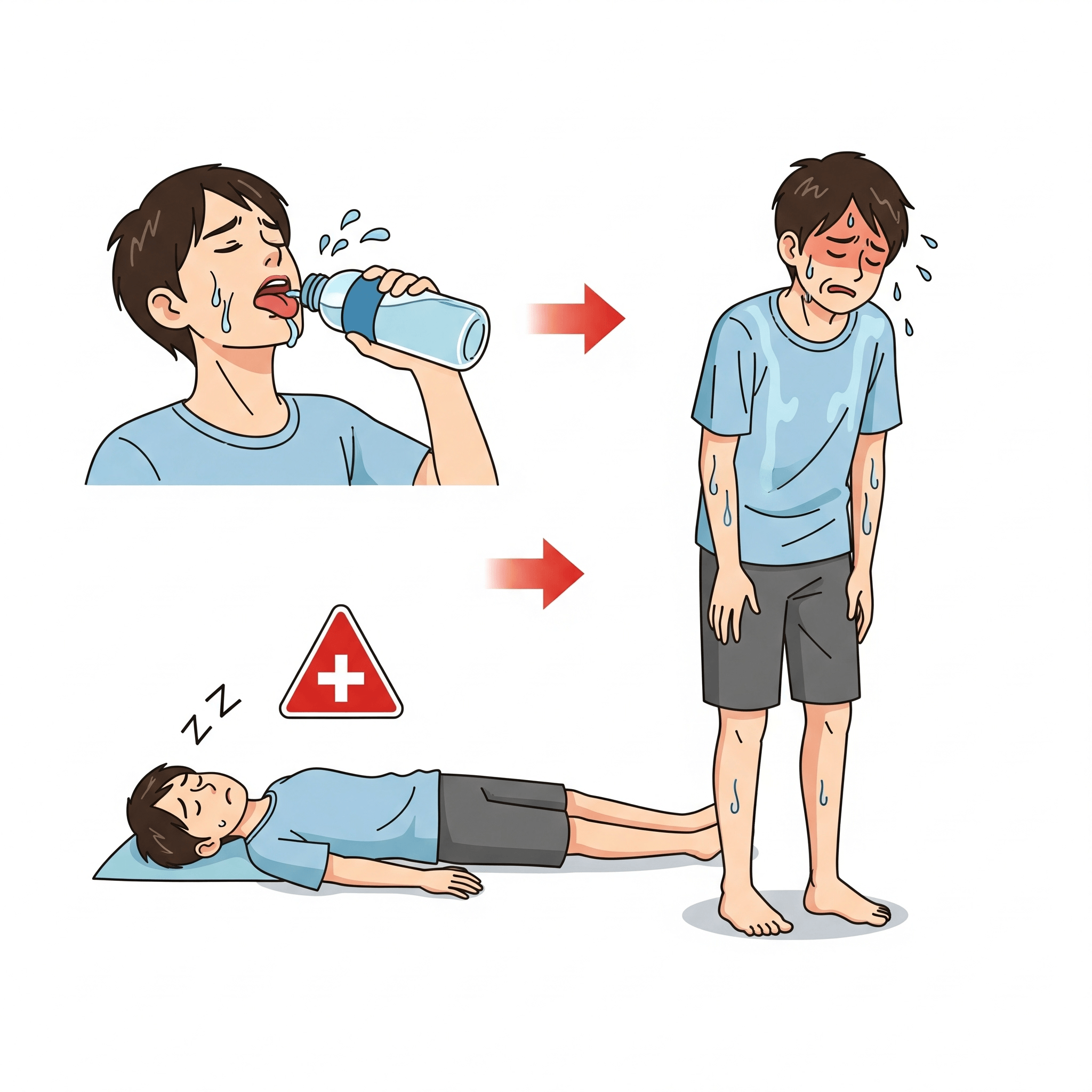
Symptoms: thirst (the first sign), dry mouth, decreased energy, tiredness, headache, dizziness, dark urine (should be pale yellow), less frequent urination, and muscle cramps indicating early electrolyte imbalance. Backpackers frequently dismiss these as jet lag or general fatigue, allowing dehydration to worsen. At the first sign, stop, find shade, and rehydrate — sip, don’t chug, and consider adding electrolytes.
2. Heat Exhaustion
Symptoms: heavy sweating, pale or clammy skin, rapid pulse, severe muscle cramps, nausea, vomiting, faintness, extreme tiredness, irritability, and confusion. This is a serious condition that escalates to heatstroke if untreated — and on farms, people often push through it believing they just need a brief rest. Move the person to shade, lie them down with legs slightly elevated, loosen clothing, offer sips of water or electrolyte drink if conscious, and cool them with wet cloths on the neck, armpits, and groin. Seek medical attention if symptoms don’t improve within an hour.
3. Heatstroke: A Critical Medical Emergency
Symptoms: body temperature above 40°C, hot red and often dry skin, confusion, disorientation, slurred speech, irrational behaviour, seizures, loss of consciousness, and rapid pulse and breathing. This is a critical emergency — any delay can cause permanent organ damage or death. Call 000 immediately. Move the person to the coolest, shadiest place, remove excess clothing, cool aggressively with cool water, continuous fanning, and ice packs to the neck, groin, and armpits. Do not give anything to drink if they are unconscious or confused, and stay with them until help arrives.
The Prepared Backpacker’s Hydration Action Plan
Carry Sufficient Water — More Than You Think
It’s almost impossible to carry too much water in Australia, especially in remote or hot agricultural areas. The baseline for moderate activity in moderate temperatures is at least 0.5 litres per hour, easily doubling to 1 litre per hour or more in temperatures above 30°C or during strenuous manual labour.
- Day hikes or short excursions: minimum 2–3 litres per person.
- Longer or hotter day trips: 4–5 litres.
- Overnight or multi-day trips without reliable water access: at least 5 litres per person per day.
- Driving into remote outback areas: consider 20 litres of emergency water in your vehicle.
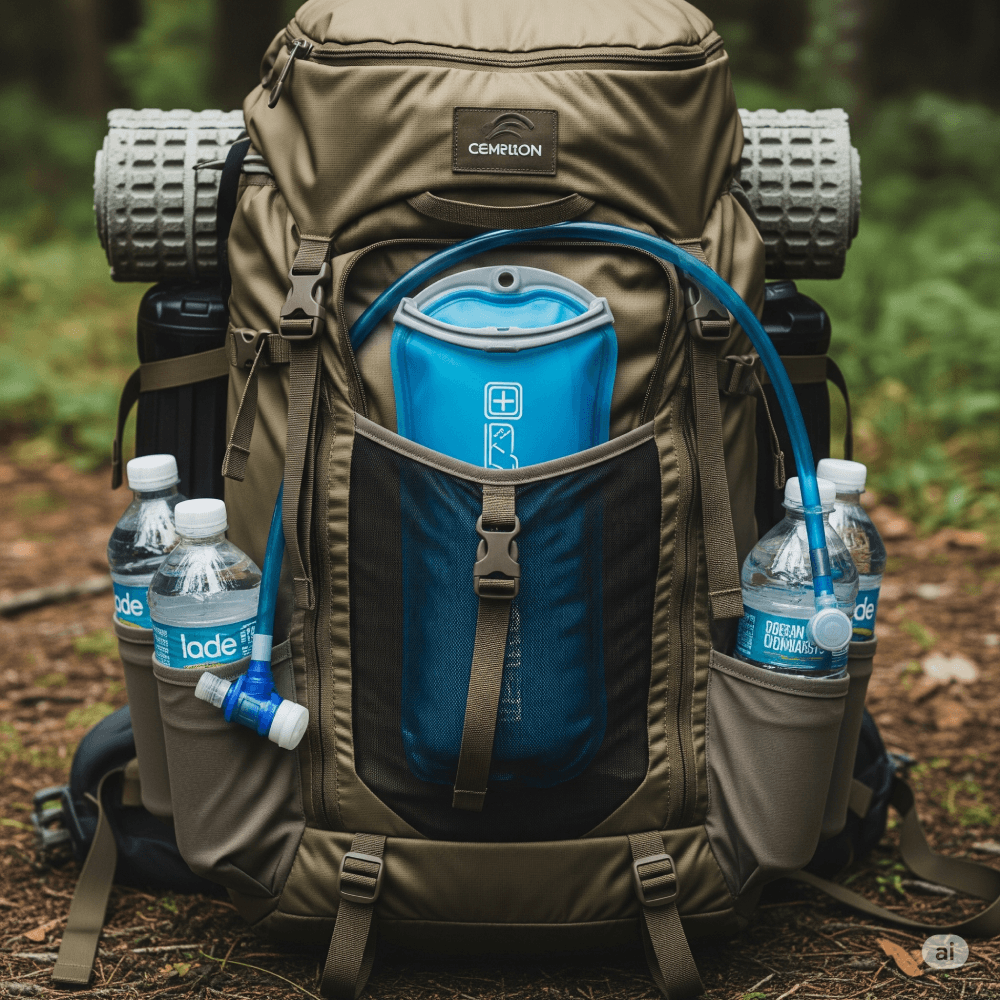
Mix durable reusable bottles, hydration bladders for hands-free sipping during physical work, and collapsible containers for extra vehicle reserves. Check the Backpack Australia Resources Page for reliable hydration gear recommendations.
Master Pre-Hydrating and Rehydrating
Don’t start a farm shift already dehydrated. Drink roughly 500ml in the two hours before setting off, and continue drinking after activity to aid recovery.
Prioritise Electrolyte Management
Water alone isn’t enough when sweating out essential minerals during a 10-hour picking shift. Carry electrolyte tablets or powders for activities lasting over an hour, keep salty snacks like pretzels or Vegemite on crackers handy, and eat hydrating foods — bananas for potassium, oranges and watermelon for electrolyte-rich hydration.
Remote Water Purification
Never drink untreated water from creeks, rivers, or dams without knowing the source and purifying it — outback waterways are frequently contaminated by livestock or agricultural runoff. Boil water for at least one minute to kill pathogens, use mechanical filters or comprehensive purifiers, or use chemical tablets or UV sterilisers as alternatives when off-grid.
Proactive Strategies: Integrating Hydration Into Your Farm Life
- Follow Slip, Slop, Slap, Seek, Slide — shade, protective clothing, and sunscreen reduce your body’s cooling effort and indirectly support hydration.
- Plan shifts wisely — schedule the most strenuous activities for early morning or late afternoon, using the hottest midday hours for shade or indoor tasks.
- Use the buddy system — keep an eye on each other, since people often don’t realise they’re becoming dehydrated. If solo, tell someone your route and expected return time.
- Listen to local advice — if experienced locals warn against a trail or particular working conditions without ample water, take it seriously.
Frequently Asked Questions: Dehydration Prevention for Backpackers in Australia
Can I just wait until I feel thirsty to drink water?
No. By the time you feel thirsty, your body is already entering mild dehydration. Drink proactively and pace your fluids throughout the day rather than reacting to thirst alone.
How can I easily check if I’m hydrated enough while working?
The easiest field test is checking urine colour — it should be pale yellow or straw-coloured. Dark urine means you are dehydrated and need to increase fluid intake immediately.
Is it safe to refill my bottle from rural taps or streams?
Do not rely on finding water sources in rural areas unless explicitly marked as safe drinking points. Never drink from creeks, rivers, or dams without proper purification, as they are frequently contaminated by agricultural runoff or livestock.
Fast-Track Your 88 Days: Don’t Waste Time Going It Alone
Mastering hydration is step one — finding a reliable, safe employer to complete your visa requirements is the real challenge. Every year, thousands of backpackers waste weeks sitting in expensive city hostels applying to regional jobs that never reply.
Backpack Australia has direct, established contact with over 4,000 eligible employers and connects with virtually all the reputable working hostels across the country. We bypass shady contractors and connect you directly with farms that need reliable workers now. Knock out your 88 days fast, start earning sooner, and secure your visa extension.
Sign Up for the Job Help Programme Newsletter to get immediate access to our exclusive employer and hostel networks today.
Conclusion
Australia is a land of unmatched beauty and incredible opportunity for working holiday makers, but its climate commands genuine respect. By understanding the physiology of fluid loss, practising dehydration prevention as a backpacker in Australia with more water than you think you need, and working intelligently around the sun, you can safely conquer your regional work requirements. Stay smart, stay hydrated, and your Australian adventure will be remembered for all the right reasons.