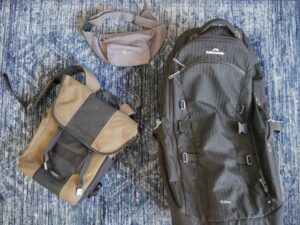

Getting backpack fitting right to prevent back pain in Australia is one of the most overlooked preparations for a working holiday — and one with genuinely direct financial consequences. You’ve finally touched down, passport stamped, heart pounding with anticipation. Your backpack is strapped on, ready to carry everything you need for epic adventures and perhaps a stint of regional work to extend your visa. But here’s a crucial truth too many backpackers learn the hard way: that seemingly essential, overstuffed backpack can quickly become a literal burden, causing severe back pain, shoulder strain, and a host of other physical problems. If your body is broken before you even step foot on a farm, your entire visa strategy is at risk. This guide covers exactly what happens to your body under a poorly loaded pack, the golden rule of weight management, proper distribution and fitting technique, and the conditioning strategies that keep your spine intact through your 88 days.
The Anatomy of Backpacker Pain and How It Jeopardises Your Visa
Your spine, shoulders, and hips are designed for movement, not for carrying excessive, improperly distributed weight for extended periods. Overloading your backpack puts immense strain on your musculoskeletal system — and understanding how poor backpack fitting causes back pain in Australia is the first step to preventing it.
- Spinal compression — a heavy pack compresses the spinal discs that cushion your vertebrae. Prolonged pressure can lead to disc bulging, herniation, and nerve impingement, often manifesting as persistent lower back pain and radiating leg pain known as sciatica.
- Severe muscle strain — your trapezius, rhomboids, and erector spinae are forced to work overtime compensating for excess weight. Leaning forward to counterbalance the pack creates an unnatural spinal curve, leading to knotty upper backs, tension headaches, and chronic shoulder aching.
- Nerve compression — tight or unpadded shoulder straps dig into the nerves and blood vessels in your shoulders. Tingling, numbness, or “pins and needles” in your arms and hands is a serious warning sign.
- Chronic postural changes — repeatedly carrying an incorrect load trains your body to adapt poorly, resulting in forward head posture, rounded shoulders, and an exaggerated lower back curve.
- Increased fall risk — an unbalanced pack throws off your centre of gravity. A fall on uneven terrain or crowded streets can lead to serious sprains or fractures.
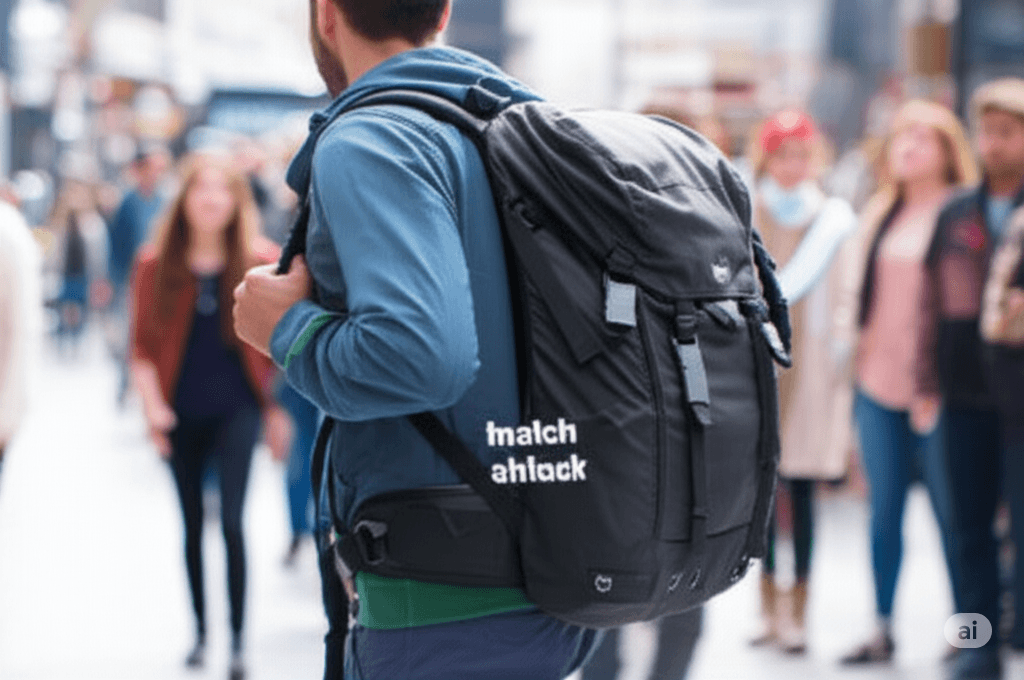
Many regional jobs required for visa extensions — farm work, construction — are physically demanding, involving repetitive lifting and long hours on your feet. Pre-existing back pain is severely exacerbated by this environment. Imagine stepping off a bus at 5:00 AM into the humidity of Tully, Queensland, to hump heavy banana bunches all day, or reaching for high branches during citrus harvest in Mildura, Victoria. A back already compromised by a 25kg backpack will not survive the pace. On piece rates, a bad back means working slower and earning drastically less.
Our team at Backpack Australia gives this practical advice when helping travelers prepare for regional jobs, because physical readiness directly correlates to how much money you earn and how quickly you finish your required 88 days.
The Golden Rule: Ruthlessly Lighten Your Load
The single most effective way to prevent pain is to dramatically cut your pack weight. Experts recommend your backpack weigh no more than 10–15% of your body weight. For a 70kg person, that means a maximum pack weight of 7 to 10.5kg. This sounds impossible to a first-time packer preparing for “what ifs,” but it is entirely achievable with discipline.
- Evaluate every single item — ask honestly whether you truly need it, could live without it, or could buy it cheaper and lighter in Australia.
- Adopt a minimalist wardrobe — focus on versatile, quick-drying layers rather than bulky fashion pieces.
- Go digital — ditch heavy paperbacks in favour of e-books.
- Buy consumables locally — purchase toiletries, sunscreen, and snacks as you go rather than carrying a heavy supply from home.
When you need high-quality, lightweight travel gear, ergonomic backpacks, or space-saving packing organisers, check the Backpack Australia Resources Page for equipment recommendations suited to Australian conditions.
Engineering Your Pack: Master Distribution and Fitting
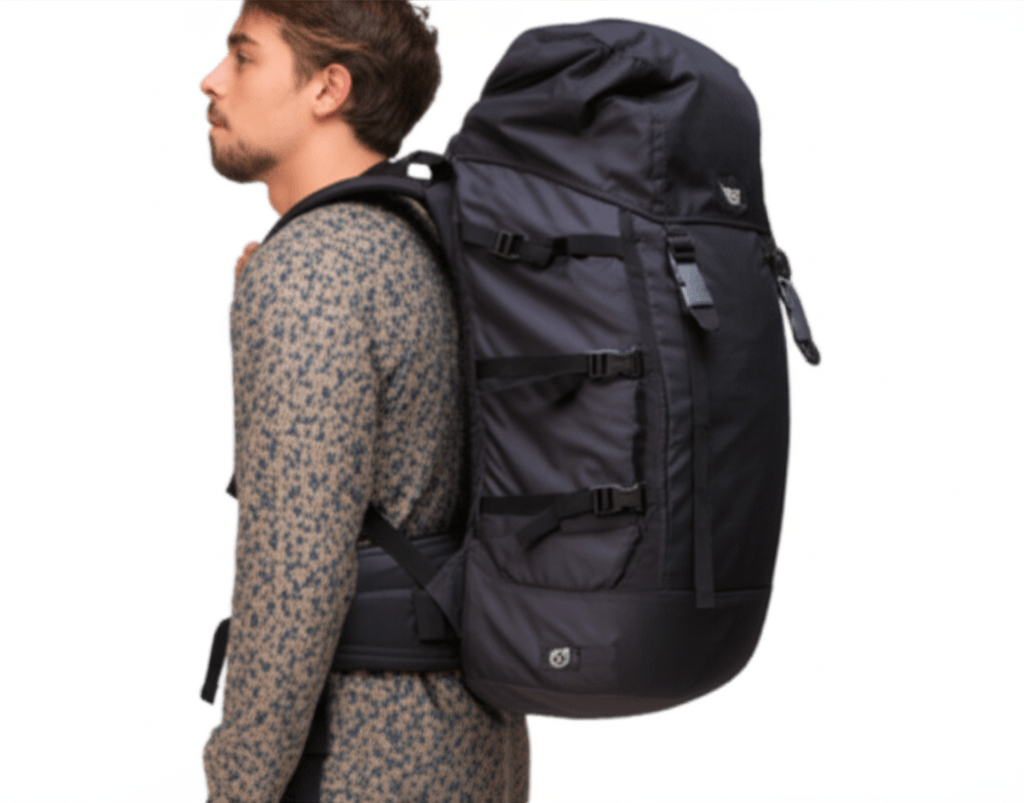
Where you place items inside your pack dramatically affects your comfort and balance. Even a light pack can cause agony if it pulls you backward or to one side — proper backpack fitting is as important as weight reduction for preventing pain in Australia.
Weight Distribution
- Keep heavy items mid-back — store laptops, electronics, and heavier clothing close to your back at mid-back level, keeping weight near your natural centre of gravity.
- Stash lightweight bulky items at the extremities — sleeping bags at the very bottom for stability, jackets at the top for easy access.
- Balance both sides — distribute weight evenly across left and right sides to prevent leaning and asymmetric strain.
How to Fit Your Backpack Correctly
A properly fitted backpack transfers the punishing weight off your fragile shoulders and onto your much stronger hips.
- Load it first — always fit and adjust your pack when fully loaded, not empty.
- Secure the hip belt — fasten it so the padded section sits squarely on your iliac crests (hip bones). This belt should bear 70–80% of the pack’s total weight.
- Adjust shoulder straps — tighten just enough that the pack rests comfortably against your upper back with no gap and no digging.
- Cinch the load lifters — the small straps connecting the top of the shoulder straps to the top of the pack. Tighten to pull the pack’s top closer to your body.
- Fasten the sternum strap — clip across your chest to pull shoulder straps slightly inward, preventing them from splaying out and digging into your armpits.
Lifting technique matters too — never yank your bag off the floor by the straps. Bend at your knees, keep your back straight, and use your leg muscles to lift. Swing one shoulder strap over, then the other, and immediately clip your hip belt.
Conditioning and Rest Strategies on the Road
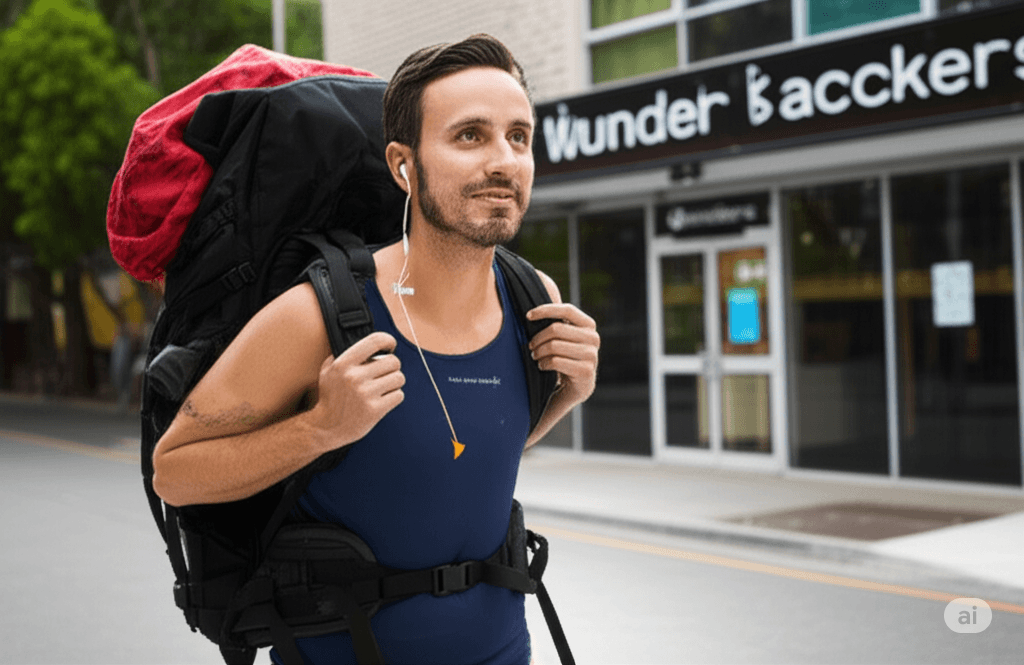
Your best defence against injury is a strong core and flexible muscles. Don’t wait until you’re already in pain to start taking care of your body.
- Take frequent breaks — never carry a heavy pack for hours without stopping. Remove it every hour to stretch and give your spine genuine rest.
- Build core strength — simple daily exercises like planks, bird-dog movements, and pelvic tilts reinforce the muscles supporting your spine.
- Improve flexibility — cat-cow stretches, child’s pose, and hamstring stretches in your hostel common room undo the stiffness of travel days.
- Listen to your body — persistent pain or numbness means stopping immediately, applying ice or heat, and seeking professional help like a physiotherapist, which your travel insurance should cover.
FAQ: Backpacking Health and Regional Work Preparation
How heavy is too heavy for my backpack?
Your packed bag should weigh no more than 10–15% of your total body weight. For most average-sized backpackers, hitting roughly the 10kg mark is the sweet spot for avoiding injury while staying genuinely mobile.
Why do my arms go numb when I carry my bag for a long time?
Tingling, numbness, or pins and needles in your hands or arms is a major red flag indicating nerve compression, caused when unpadded or overly tight shoulder straps dig into the nerves and blood vessels in your shoulder area. Loosen the straps and ensure your hip belt is genuinely taking 80% of the load.
Will back pain stop me from getting my 88 days signed off?
It certainly can. Many regional jobs, especially harvest work, are paid via piece rates. If back pain prevents you from moving efficiently, you will earn very little and struggle to maintain employment. Condition your body before heading to the farms rather than hoping you’ll adapt on the job.
Stop Wasting Time: Fast-Track Your 88 Days
Perfecting your pack weight is the first step; finding the right job to complete your regional work is the next hurdle. Every year, thousands of backpackers waste precious weeks bleeding savings in expensive city hostels blindly firing off resumes, or showing up to shady farms that don’t pay legally. The opportunity cost of doing this independently is enormous — every week jobless is a week of lost wages and visa time ticking down.
Backpack Australia has direct, established contact with over 4,000 eligible regional employers and virtually all the working hostels across the country. Our system bypasses the struggle so you can knock out your 88 days fast, start earning sooner, and secure your visa extension.
Sign Up for the Job Help Programme Newsletter to connect with our nationwide employer network instantly.
Conclusion
Your Australian working holiday should be remembered for the sunrises over the outback, the friends made in working hostels, and the satisfaction of earning your visa extension — not for a crippling ache in your lumbar spine. By ruthlessly lightening your load, mastering the backpack fitting technique that prevents back pain in Australia, and conditioning your body for the physical realities of regional work, you safeguard both your health and your wallet. Pack smart, lift with your legs, and get ready for the adventure of a lifetime.