
Protecting your valuables as a backpacker in Australia is not about paranoia — it is about a handful of consistent, non-negotiable habits that act as an invisible shield. You’ve scrimped, saved, and finally touched down in the land of endless sunshine, red dirt adventures, and boundless opportunity, especially with a Working Holiday Visa in hand. But here is a crucial truth too many backpackers learn the hard way: while Australia is generally an incredibly safe country, a single moment of complacency can turn your dream trip into a stress-inducing nightmare. Missing passports, stolen cash, and vanished tech happen every day to travelers who simply don’t take adequate precautions. This guide covers exactly where and how backpackers typically lose their gear, the specific security shift required for regional farm work, and the ironclad system that keeps your focus on the adventure rather than the aftermath of a theft.
The Target on Your Back: Why Backpackers Are Uniquely Vulnerable
The backpacking lifestyle is built on constant movement, shared accommodation, and carrying everything you own on your back — and opportunistic thieves know these habits inside and out. Understanding the specific vulnerability points is the first step to protecting your valuables in Australia.
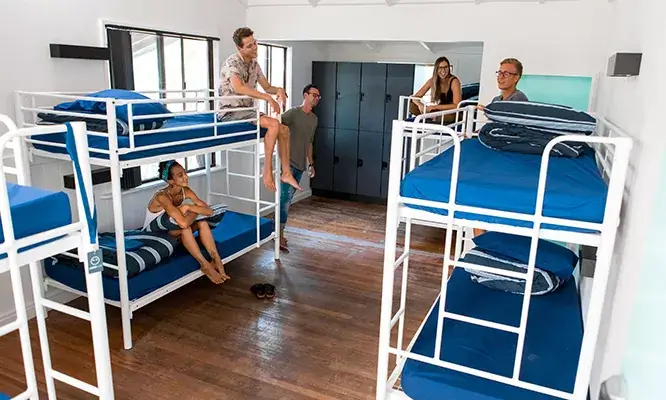
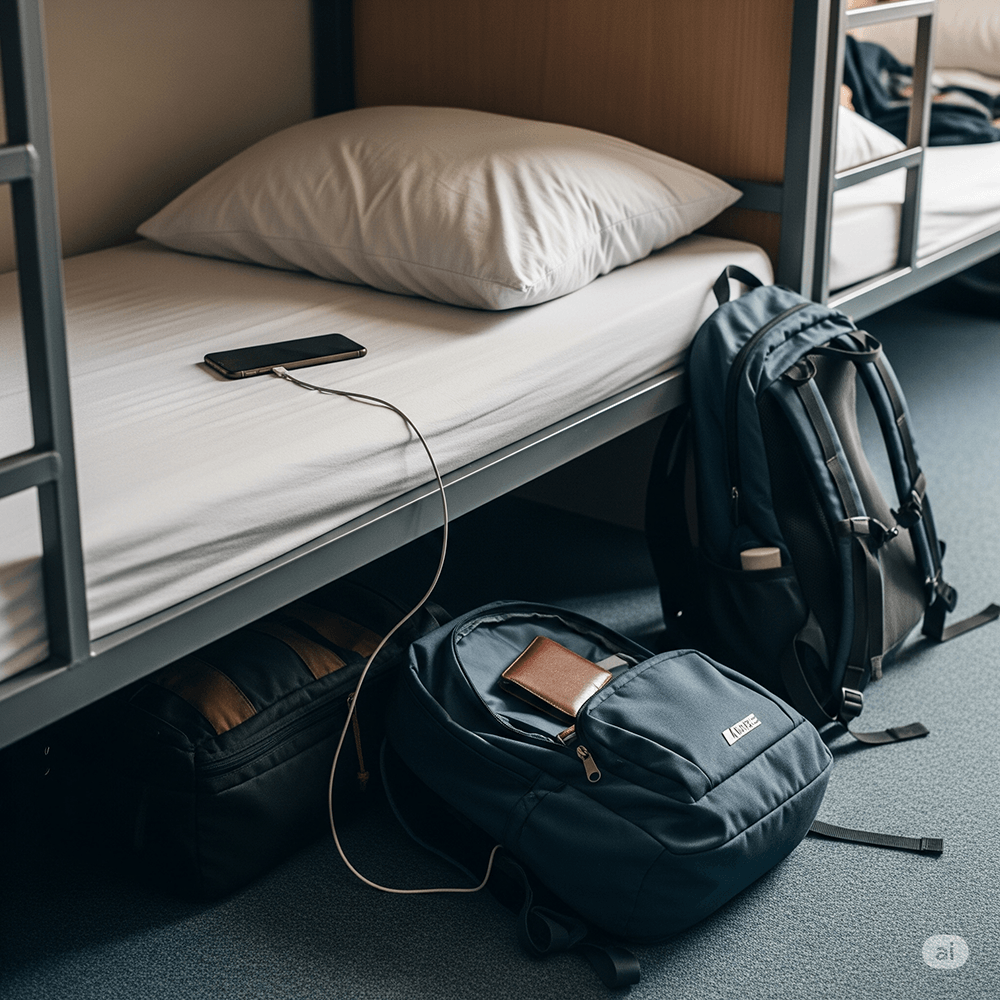
- The false security of hostel dorms — assuming everyone in a hostel is equally trustworthy is a genuine mistake. Leaving phones charging on beds, laptops on bedside tables, or wallets in open bags makes you an easy target. Even a quick bathroom trip can cost you a camera left unsecured.
- Transit distractions — buses, trains, and crowded ferries are prime hunting grounds for pickpockets, who often work in teams using distraction tactics like bumping into you or asking for directions while an accomplice targets your pockets or daypack. Overhead compartments out of your direct sightline are also genuinely risky.
- Cafes and beach days — hanging a bag on the back of a café chair makes it a prime grab-and-run target. Leaving bags, phones, and wallets unattended on the sand while swimming prioritises convenience over basic security.
- Vehicle break-ins — leaving laptops, cameras, or even visible small change through a parked campervan window is a genuine open invitation for a break-in, particularly at popular tourist stops.
The Gritty Reality: Security During Regional Farm Work
When you head out to complete your 88 days of regional work, your security mindset needs to shift gears entirely. Farm work is exhausting. When you are waking at 4:00 AM to beat the heat for citrus picking in Mildura, Victoria, or sweating through 90% humidity hauling bananas in Tully, Queensland, you are going to be tired — and when you are tired, you get careless.
Working piece rates means rushing to fill bins and earn money, not thinking carefully about where you left your smartphone in the packing shed. You will often be living in shared working hostels or caravan parks with transient populations of workers passing through constantly. Remain vigilant: never leave your wallet in your work clothes on the clothesline, and don’t leave electronics sitting out in the communal camp kitchen while you cook dinner.
Whenever you are upgrading work boots, picking up a sturdy daypack, or buying high-quality padlocks to secure your lockers, check the Backpack Australia Resources Page for our top-rated recommendations. Our team at Backpack Australia gives this exact practical advice daily when helping travelers prepare for the realities of regional jobs.
The Domino Effect: What Losing Your Valuables Actually Costs
Losing your valuables extends far beyond the immediate sting of a stolen phone — it can derail your entire visa timeline and cause genuine, lasting stress.
- Financial devastation — beyond the direct loss, replacing electronics on the road carries an inflated cost, and you may pay for unexpected city accommodation while waiting for replacement bank cards, draining funds meant for your next regional placement.
- The document nightmare — losing your passport means you cannot prove your identity, cannot board domestic flights, and cannot legally be hired by legitimate employers. This directly jeopardises second or third-year visa extension plans and forces a lengthy, stressful embassy replacement process.
- Irreplaceable memories — if a phone or camera is stolen and your data isn’t backed up, the photos and videos of your entire Australian adventure are gone permanently.
- The emotional toll — the anxiety and feeling of being violated can linger, casting a shadow over the trip and making it genuinely hard to relax and enjoy subsequent experiences.
Your Ironclad Security Shield: Practical Action Steps
Being vigilant is not about being paranoid — it is about being consistently prepared. Implement these habits immediately for genuinely effective protection of your valuables in Australia.
- Master the locker system — most reputable hostels provide secure lockers. Use them religiously. Invest in a heavy-duty combination padlock (keys get lost easily) and lock up your passport, cash, cards, and electronics every single time you leave the room, even for a quick trip to the hallway.
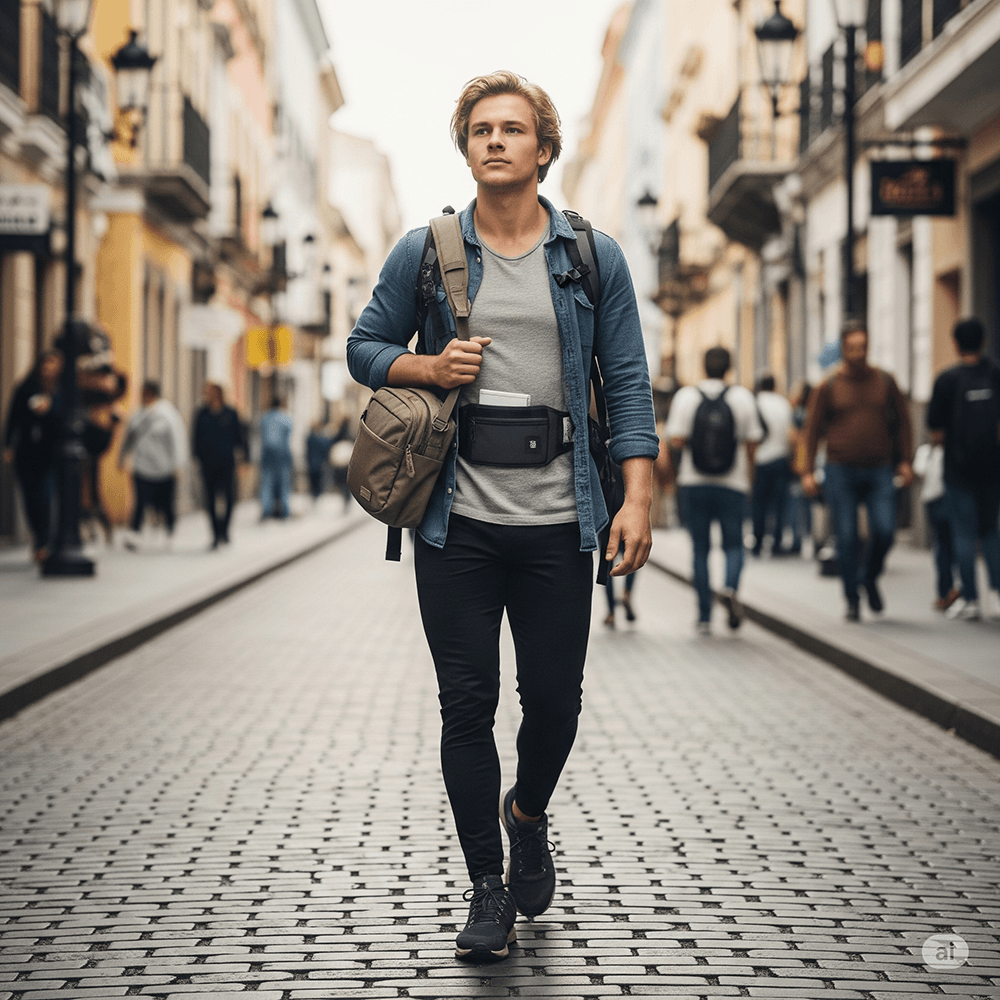
- Divide and conquer your assets — never keep everything in one place. Carry a small amount of daily cash in your pocket, but hide larger sums and primary bank cards in a secure money belt or hidden pocket inside your locked main pack. Keep original documents and photocopies in entirely separate bags.
- Stay vigilant on public transit — keep your daypack on your lap or between your feet, never unattended or out of sight. Use zippered internal pockets for your wallet, and remain alert if strangers unexpectedly try to engage or distract you.
- Create redundant digital backups — photograph your passport, visa grant notice, driver’s licence, and insurance policy. Store these in secure cloud storage and email copies to a trusted contact at home.
- Lock down your tech — protect your phone with a strong PIN or biometric lock, be discreet with devices in crowded public areas, and avoid compromised public charging stations by carrying your own power bank. Check the Backpack Australia Resources Page for reliable power bank options.
- Ensure comprehensive insurance — confirm your policy explicitly covers theft of electronics and cash. If the worst happens, file a police report immediately, since almost all insurance claims require one to process payout.
Frequently Asked Questions: Protecting Your Valuables in Australia
What is the best way to hide money in a hostel?
The best place is inside a locked locker using a high-quality combination padlock. For extra security, stash cash inside a hollowed-out everyday item — an empty roll-on deodorant container or a clean, opaque pill bottle — at the bottom of your locker where it draws no attention.
Do I need to lock my bag if it’s already inside my hostel locker?
Yes, it’s strongly recommended. Locking the zippers of your main backpack while it sits inside your locker acts as a secondary deterrent. If a locker is somehow compromised, a thief wants to grab items quickly — a locked bag slows them down significantly and often causes them to move on.
What should I do first if my passport is stolen in Australia?
First, report the theft to local Australian police immediately to obtain a formal police report. Second, contact your home country’s embassy or consulate in Australia to begin the emergency passport replacement process. Finally, notify the Australian Department of Home Affairs to link your new passport details to your current Working Holiday Visa.
Is it safe to leave things in my car while doing farm work?
No. Never leave valuables in plain sight in a vehicle, even in remote rural areas — break-ins do happen at farm car parks. Always lock doors, roll up windows, and take your phone, wallet, and passport onto the farm with you, secured in a zip pocket or a designated safe area provided by the employer.
Stop Wasting Time: Fast-Track Your 88 Days
You came to Australia to travel, explore, and earn money — not to spend weeks stressing about job hunting or bleeding cash in expensive city hostels. The biggest mistake backpackers make isn’t just losing their valuables — it’s the massive opportunity cost of wasting time trying to find eligible regional work independently. Every week spent scrolling job boards or knocking on closed doors is a week of lost wages.
Backpack Australia has direct contact with over 4,000 eligible employers and connects with virtually all the legitimate working hostels across the country. Joining our network is far easier and vastly quicker than going it alone. We help you lock in reliable work so you can knock out your 88 days fast, start earning sooner, and secure your visa extension.
Sign Up for the Job Help Programme Newsletter to get immediate access to our exclusive employer and hostel networks today.
Final Thoughts
Australia is an incredible, life-changing destination. By adopting these simple, consistent habits for protecting your valuables in Australia and taking control of your regional work journey, you significantly mitigate the risks of long-term travel. Secure your gear, protect your documents, and connect with the right employers, and your Australian adventure stays focused exactly where it should be: on exploration, earning, and unforgettable experiences. Stay safe, and happy travels.