
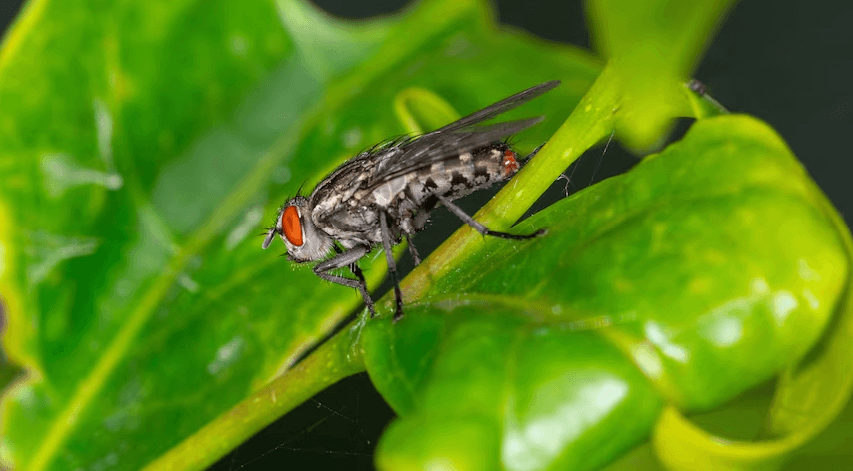
Australian flies are one of the most underrated challenges facing backpackers on regional farm work — and one of the most surprising once you actually experience it. You’ve dreamt of exploring Australia’s stunning landscapes and securing your working holiday visa extension. Then someone mentions the flies, and suddenly those visions of idyllic outback sunsets are replaced with a swirling cloud of buzzing pests. Let’s be honest — the Australian fly is a legendary tormentor, particularly for newcomers. But with serious preparation and the right strategies, you can thrive in the outback without constantly performing the infamous “Aussie salute.” This guide identifies exactly which flies you’ll encounter, why regional farm work attracts them relentlessly, and the field-tested, multi-layered defence system that lets you focus on earning your 88 days in genuine comfort.
The Gritty Reality of Regional Work and Why Flies Love It
If you are completing your 88 days of specified work to extend your visa, you are going to get intimately acquainted with regional Australia — and with its flies. The reality of agricultural work is tough. Whether you are sweating through 90% humidity while lugging banana bunches in Tully, Queensland, or waking at 5:00 AM to beat the heat picking citrus on piece rates in Mildura, Victoria, farm work demands genuine grit. It also demands sweat — and sweat is exactly what draws flies in relentless numbers.
When you are working fast to hit piece-rate targets, you do not have a free hand to constantly wave insects away. If you step onto a farm unprepared, the mental fatigue of dealing with persistent flies can break your spirit long before the physical labour does. Understanding why they target you — and how to block them systematically — is your first step toward a profitable, successful harvest season.
Know Your Enemy: The Five Flies You’ll Meet on the Job
Australia is home to over 10,000 species of flies. Most are harmless, but a handful of persistent varieties become highly active during warmer months and are exactly what backpackers doing Australian farm work need to identify and defend against.
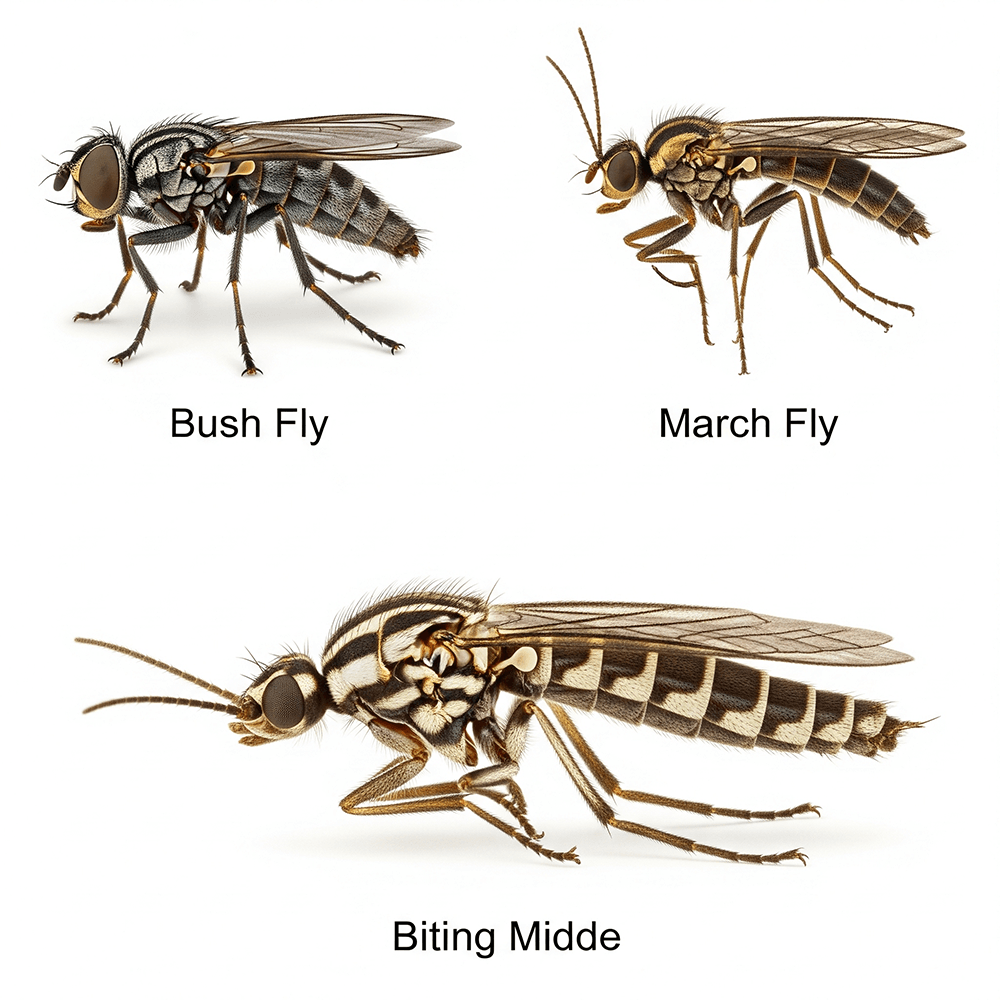
- Bush flies (Musca vetustissima) — small (4–6mm) with two black stripes on the thorax. Aggressively attracted to moisture and protein in human secretions, targeting eyes, nose, mouth, and sweat. They breed in animal excreta, explaining their overwhelming presence in farming regions, and are most active during daylight hours.
- House flies (Musca domestica) — slightly larger (5–7mm) with four black stripes. Attracted to decaying organic matter and rubbish rather than sweat. They do not bite but readily contaminate food and carry bacteria.
- Blowflies (Calliphora spp.) — larger, bristly, often metallic green or blue with a loud buzz. Heavily attracted to decaying meat and known for laying eggs on exposed food.
- March flies (Tabanidae species, also called horse flies) — typically larger (6–25mm) and deliver a genuinely painful bite because they feed on blood. Common around damp soil, rotting vegetation, and water sources, present year-round in northern Australia.
- Biting midges (Culicoides spp., often mistakenly called “sandflies”) — tiny (1–3mm) and almost invisible. Deliver an intensely itchy bite and are particularly active at dawn and dusk, breeding in damp, sandy soil near water.
The Ultimate Fly-Defence Arsenal for Backpackers
Our team at Backpack Australia gives this exact practical advice when helping travelers prepare for regional jobs: relying on a single method fails. You need a multi-layered defence system against Australian flies during farm work.
1. Chemical Repellents: Your First Line of Defence
- DEET — highly effective against a wide range of biting insects. Concentrations between 20–50% provide long-lasting protection. Apply to exposed skin, avoiding eyes, mouth, and damaged skin, and be aware DEET can damage certain synthetic materials.
- Picaridin — a highly effective DEET alternative that is generally less greasy, has little to no odour, and is far less likely to damage plastics or synthetic fabrics. Look for formulas at 20% concentration or higher.
- Oil of Lemon Eucalyptus (OLE/PMD) — a plant-based option with efficacy comparable to DEET in some studies, though it requires more frequent reapplication, roughly every one to two hours.
- Permethrin — a potent insecticide, not a standard skin repellent, and should never be applied directly to skin. Instead, treat clothing, tents, and mosquito nets. It binds to fabric, survives several washes, and actively kills insects on contact.
2. Physical Barriers: Your Personal Force Field
- Fly nets for hats — a genuine game-changer in rural areas during peak fly season. A fine mesh net over a wide-brim hat, cinched around the neck, provides an impenetrable barrier. You might look like a beekeeper, but your comfort will thank you by lunchtime.
- Lightweight, long clothing — counter-intuitive in 35-degree heat, but loose-fitting, light-coloured, long-sleeved shirts and long pants offer significant protection from both flies and harsh sun. Choose breathable fabrics like cotton or linen, since flies struggle to bite through them effectively.
Whenever you are stocking up on agricultural workwear, mesh nets, or permethrin treatments before heading to the regions, check the Backpack Australia Resources Page for our top-rated, field-tested gear recommendations.
Strategic Behaviour: Outsmarting the Buzzers
How you act on the farm or at camp matters as much as what you wear when defending against Australian flies.
- Avoid peak exposure windows — bush flies peak from mid-morning to late afternoon, while midges swarm at dawn and dusk. If your supervisor offers a choice of shift hours, opt for the earliest possible start.
- Don’t swat excessively — constant swatting can actually make flies more agitated and persistent. A calm, gentle shoo or reliance on a physical net is far more effective long-term.
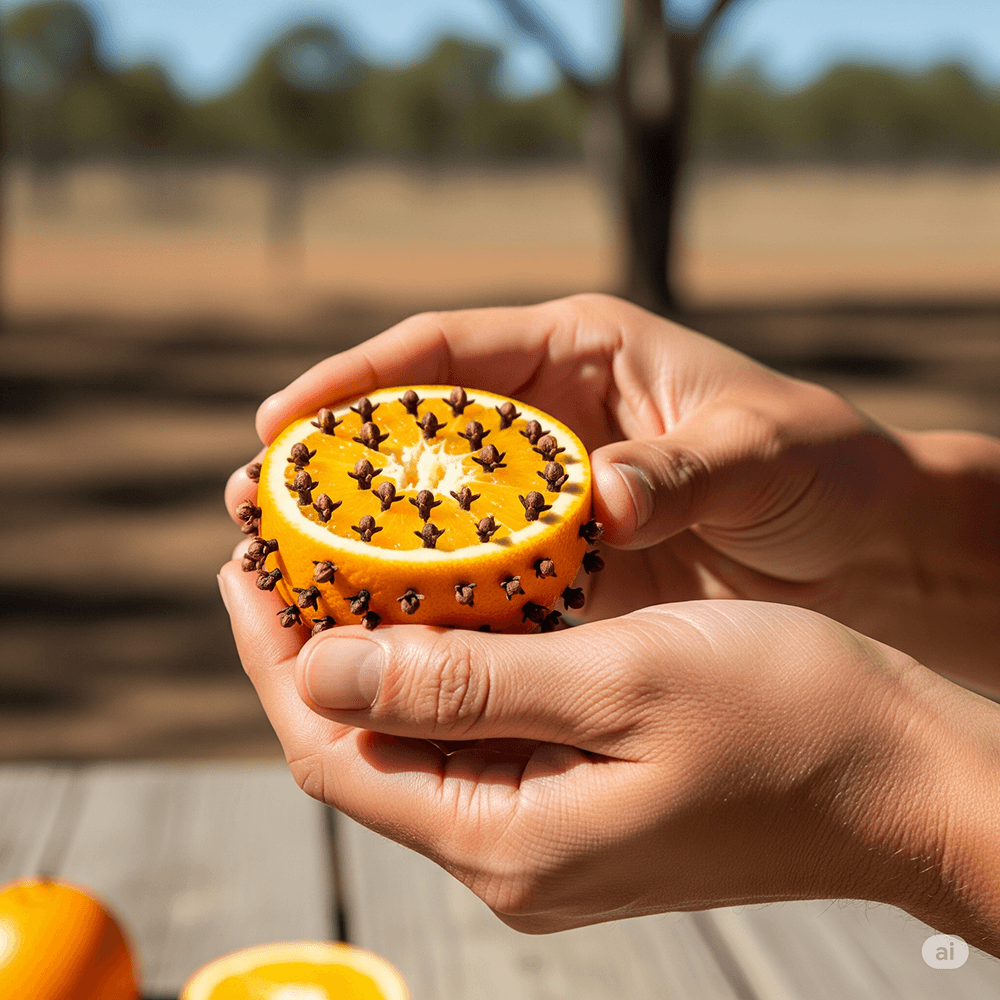
- Natural deterrents — essential oils like eucalyptus, citronella, peppermint, and lavender are known fly deterrents in diluted sprays. Flies also detest cloves and citrus — sticking whole cloves into an orange half on your outdoor camp table helps clear the air during dinner.

FAQ: Beating Australian Flies on Your Working Holiday
Do I really need a fly net if I’m already wearing strong DEET?
Yes, especially for farm work. Bush flies are attracted to moisture in your eyes and mouth. DEET works well, but when you are sweating heavily during manual labour, repellent washes off, and flies will aggressively target your face regardless. A physical net is foolproof where chemicals fail.
Can I just buy cheap fly gear when I get to the farm town?
Regional towns have limited supply and heavy markups on this kind of gear. It is always better to buy long-sleeved breathable work shirts, broad-brim hats, and chemical repellents in major cities before you travel inland, where selection and pricing are significantly better.
Why do my fly bites itch so badly?
Intense itching is typically the signature of biting midges encountered at dawn or dusk rather than bush flies. Carry a basic first aid kit with hydrocortisone cream to manage the inflammation and itching effectively.
Stop Wasting Time: Fast-Track Your 88 Days of Farm Work
You now know how to physically survive regional work — but how do you actually find a reliable job that won’t exploit you? Every day spent in a major city figuring out where to go burns a hole in your wallet. A city hostel bed can cost $250 to $400 a week; add food, drinks, and transport, and a month of independent job hunting can cost thousands in lost savings and missed wages.
Backpack Australia has direct, verified contact with over 4,000 eligible regional employers and connects with virtually all the reputable working hostels across the country. We bypass the dead ends and put you straight in touch with people who are hiring right now. Knock out your 88 days fast, start earning real money sooner, and secure your visa extension.
Sign Up for the Job Help Programme Newsletter to get immediate, insider access to our exclusive employer and hostel networks.

Conclusion
The Australian outback is wild, rugged, and completely unforgettable. While Australian flies can be a legendary nuisance, they are just another part of the rich, gritty tapestry of the working holiday experience. By arming yourself with high-grade repellents, physical barriers, and the strategic timing to avoid peak swarms, you transform a potential nightmare into a minor inconvenience. Pack smart, protect your skin, secure your regional job quickly, and get ready to swap the Aussie salute for the adventure of a lifetime.