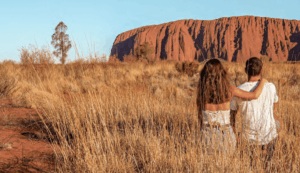

There is a precise moment when the reality of solo backpacking in Australia truly hits you. It usually isn’t when you see the Sydney Opera House for the first time, or sip a flat white in a trendy Melbourne laneway. It happens when you are standing on a dusty dirt road, hundreds of kilometres from a major city, realising you are entirely self-reliant. Choosing to travel solo through Australia is one of the most rewarding, challenging, and transformative decisions you will make — but this country is vast, its climate unforgiving, and the backpacker circuit demands serious grit. This guide covers exactly what it takes to thrive: the packing hacks that keep your entire life organised in one bag, the gritty reality of 88 days of regional farm work, and the profound life lessons that make solo backpacking here genuinely worth every difficult moment.
The Gritty Reality of Regional Work: Boots on the Ground
If you are on a Working Holiday Visa (Subclass 417 or 462), completing your specified regional work — the 88 days — is the golden ticket to a second-year visa. But farm work in Australia is not a romantic romp through sun-dappled orchards. It is hard, physically demanding labour that tests your endurance from the very first shift.
Understanding the Work Environment
Imagine waking at 4:00 AM in a cramped, un-air-conditioned donga. By 5:30 AM you are waist-deep in the humidity of Tully, Queensland, dodging golden orb spiders while hauling 50-kilogram banana bunches on your shoulder. Or you are down south, engaging in freezing early-morning citrus picking in Mildura, Victoria, precariously balancing on a three-legged ladder trying to hit your piece-rate quota before midday heat becomes unbearable.
Piece Rates vs. Hourly Wages
One of the most common pitfalls for new backpackers is misunderstanding the pay structure.
- Hourly pay — a flat rate per hour regardless of your speed. Ideal, but highly sought after and harder to find without the right connections.
- Piece rates — paid based on how much you pick, prune, or pack. If you are slow, you could toil for 10 hours in blistering sun and walk away with less than minimum wage.
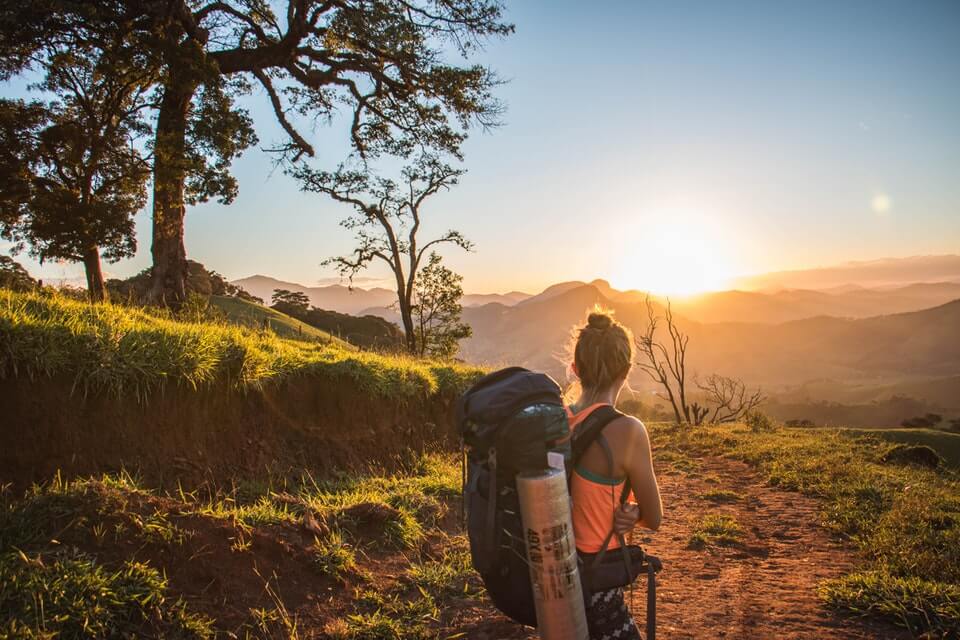
Thriving in these environments requires mental fortitude, a reliable employer who won’t exploit you, and the right equipment. Showing up without a wide-brim hat, UV-rated long sleeves, and sturdy work boots is a recipe for severe sunburn and blisters. Whenever you need durable, farm-ready gear without overspending, check the Backpack Australia Resources Page. Our team at Backpack Australia gives this practical advice every day when helping travelers prepare for regional jobs, because knowing what to expect is half the battle.
Master Your Gear: Solo Backpacking Packing Hacks for Australia
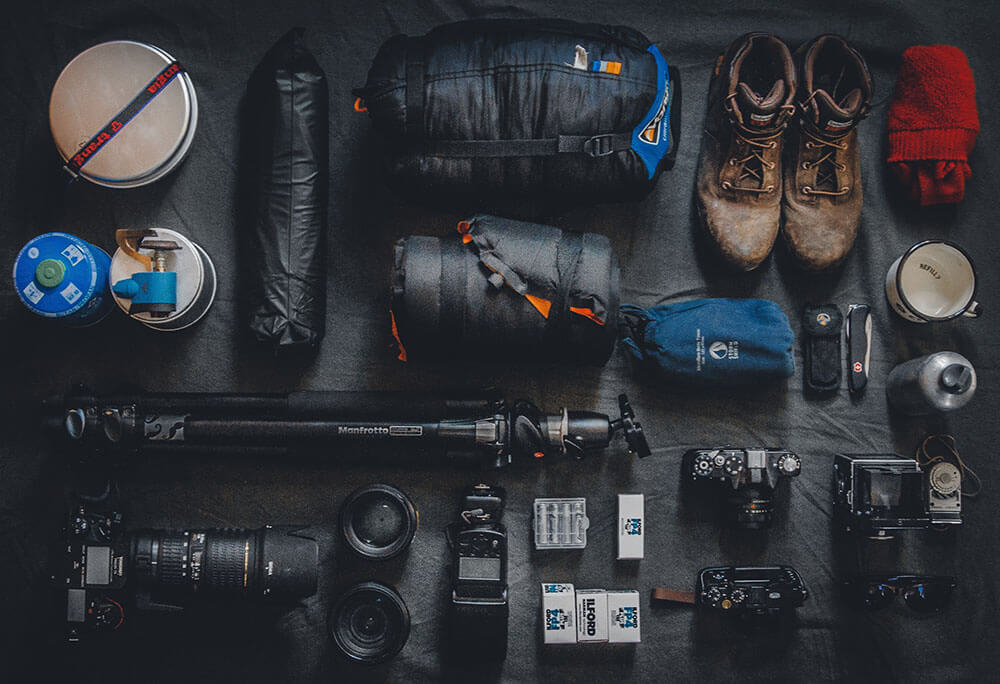
Living out of a backpack in Australia requires rethinking everything you know about possessions. You will experience scorching deserts, freezing alpine regions in Tasmania, and tropical monsoons in the Top End — sometimes within a few months of each other. Mastering the right packing hacks for solo backpacking in Australia saves you constant daily frustration.
1. The Capsule Wardrobe Strategy
Leave the fashion items at home. Your backpack should consist of a capsule wardrobe — a collection of versatile, durable clothing that can be mixed, matched, and layered. Think moisture-wicking t-shirts, a high-quality lightweight fleece, a reliable waterproof shell, and zip-off trekking pants. If you can’t wear an item in at least three different combinations, it doesn’t make the cut.
2. Packing Cubes Are Non-Negotiable
Without packing cubes, your backpack becomes a chaotic black hole of wrinkled t-shirts and missing socks within 48 hours. Categorise your cubes: one for tops, one for bottoms, one for underwear and socks, and one dedicated to farm clothes that you keep quarantined from your clean clothing. For high-quality compression cubes that maximise your pack’s usable litres, check the Backpack Australia Resources Page for recommendations.
3. The 80% Rule
Never pack your bag to 100% capacity before you leave. You will buy things along the way. You will need space for extra groceries or water when transitioning between remote outback towns. Leave at least 20% of your bag empty. If it takes your entire body weight to zip your bag shut on day one, you are carrying too much.
The Profound Life Lessons of Solo Backpacking in Australia
Enduring the highs and lows of the backpacker lifestyle yields a genuine return on investment for your personal growth — lessons that follow you long after the trip ends.
Radical Self-Reliance
When your dilapidated station wagon breaks down on the Stuart Highway with no cell service, you can’t call your parents. You learn to change a tyre, flag down a road train, and manage your own panic. You become your own problem solver in a way that comfortable, structured life rarely demands.
The Power of Vulnerability
Travelling solo forces you out of your comfort zone. You learn to walk into a crowded hostel kitchen, swallow your pride, and introduce yourself to complete strangers. These genuinely terrifying moments often lead to the most lasting friendships of the entire trip.
Adaptability
Farm work gets rained out. Hostels lose your reservation. Greyhound buses run late. You quickly learn that rigid plans are the enemy of joy on the Australian backpacker circuit. Adapting to chaos becomes second nature — a skill that benefits your future career and relationships far beyond this single trip.
Frequently Asked Questions: Solo Backpacking in Australia
Is solo backpacking in Australia safe?
Yes, Australia is generally very safe for solo travelers. The biggest threats are usually environmental — rip currents at the beach, dehydration in the outback, and wildlife encounters. Always swim between the flags, carry excessive water on road trips, and inform someone of your travel plans when heading into remote areas.
How much money should I save before arriving?
The Australian government requires proof of at least $5,000 AUD to support yourself initially. Having $7,000 to $8,000 AUD provides a significantly safer buffer, particularly if it takes a few weeks to secure a job or you plan to buy a used 4×4.
Do I need a car to complete my 88 days?
Not strictly mandatory, but having your own transport makes completing regional work exponentially easier. Many farms sit miles from the nearest town or hostel, and a vehicle gives you the freedom to drive to the best-paying placements rather than relying on expensive, unreliable hostel shuttles.

Stop Wasting Time: Secure Your 88 Days the Smart Way
The biggest mistake solo backpackers make is the opportunity cost of time. Every year, thousands fly into major hubs, burn through savings living in expensive city hostels, and spend weeks blasting resumes into the void on sketchy job boards — chasing rumours of farm work, driving hundreds of kilometres to remote towns, only to find the harvest has finished or the farmer isn’t hiring.
Backpack Australia has direct, established contact with over 4,000 eligible employers and connects with virtually all the legitimate working hostels across the country. Our network bypasses the rumours and the scams, placing you directly in front of farmers and regional employers who need workers right now. Knock out your 88 days fast, start earning sooner, and secure your visa extension without the stress.
Sign Up for the Job Help Programme Newsletter to get immediate access to our vetted employer and hostel networks today.
Conclusion
Tackling the vast Australian continent solo is a monumental undertaking, but it is one that will genuinely redefine who you are. By mastering the packing hacks that make solo backpacking Australia manageable, understanding the gritty reality of regional work, and leveraging the right networks to secure employment, you transform a daunting challenge into the adventure of a lifetime. The red dirt, the endless highways, and the lifelong mates are waiting — it’s time to get out there and make it happen.