
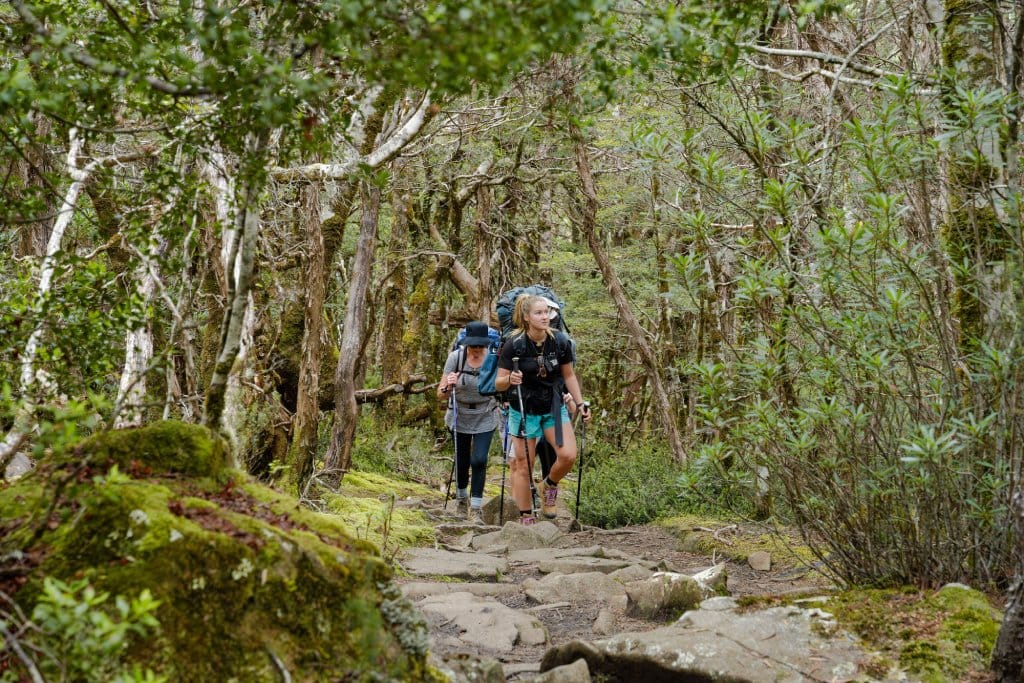
Sustainable backpacking in Australia is about far more than carrying a reusable water bottle. Australia is a massive, untamed country — a land of endless highways, spectacular coastlines, and a vast, unforgiving outback — and its ecosystems are extraordinarily vulnerable to the impacts of mass tourism and thoughtless travel. For working holiday makers, it offers the ultimate frontier, but thriving here requires more than just a sense of adventure. It requires a deep respect for the land. This guide covers the gritty realities of regional farm work, practical steps to minimise your environmental footprint, responsible wildlife interaction, and why leaving no trace is the ultimate backpacker flex in 2026.
The Gritty Reality: Sustainable Backpacking Starts in Regional Australia
Before we talk about protecting the trees, let’s talk about working among them. When you head out to regional Australia to tackle your 88 days of specified work, you quickly realise that the environment dictates everything about your daily life. You are not just an observer — you are working directly in the elements, and your actions carry real consequences for the landscapes around you.
You might find yourself battling suffocating humidity while picking bananas in Tully, Queensland, or facing the pitch-black early mornings during citrus season in Mildura, Victoria. When you are chasing piece rates — where your weekly paycheck depends entirely on how fast your hands move and how many bins you fill — it is easy to develop tunnel vision about the environment around you. But eco-friendly backpacking in Australia is not just a passing trend. It is absolutely essential for preserving Australia’s unique biodiversity and natural heritage for the generations of travelers who come after you.
Our team at Backpack Australia uses this practical advice when helping travelers prepare for regional jobs, because a prepared and environmentally aware backpacker is a successful one.

Practical Steps to Minimise Your Environmental Footprint
Pack Light, Pack Right
Packing effectively reduces waste and strain on local resources. Every item in your backpack should serve a clear purpose and, wherever possible, be environmentally responsible. Opt for biodegradable products, invest in a quality reusable water bottle, and actively avoid single-use plastics throughout your trip. When sourcing heavy-duty farm boots, sun-protective clothing, or camping equipment, check the top-tier recommendations on the Backpack Australia Resources Page. Investing in high-quality, durable gear that withstands the extreme rigours of Australian travel is far more sustainable than buying cheap gear that falls apart after two weeks in the field.
Leave No Trace on the Trails
When you get a day off from the farm to explore a national park, stick strictly to marked paths. Veering off the beaten track causes soil erosion, damages native vegetation, and severely disrupts wildlife habitats — damage that can take decades to reverse in fragile Australian bush environments.
Responsible Waste Management
The golden rule of the outback: always pack out what you pack in. Dispose of waste properly using designated facilities, or carry it in your vehicle until you find one. Never leave waste behind — even products labelled as biodegradable can severely harm local wildlife and take far longer to break down in dry Australian conditions than their labels suggest.

Sustainable Food Choices in the Field
Working long hours on a farm demands massive caloric intake, but you can still plan meals that minimise waste. Opt for local, organic produce and bulk foods to reduce packaging significantly. If you are travelling between regions, a portable stove eliminates the need for disposable cooking materials and saves you money at the same time. For portable cooking gear suited to Australian farm travel, check the Backpack Australia Resources Page.
Navigating Wildlife: Look, Don’t Touch
Australia is home to an extraordinary range of wildlife found nowhere else on Earth — kangaroos, deadly snakes, massive spiders, and highly inquisitive birds will all cross your path during farm work and road trips. Interacting responsibly with wildlife is one of the most important pillars of sustainable backpacking in Australia.
View Wildlife from a Distance
Resist the urge to feed or touch wild animals under any circumstances. Human food is often deeply harmful to native wildlife, disrupts their natural foraging habits, and close physical contact causes unnecessary stress that can alter behaviour permanently. In working hostel environments where wildlife regularly comes close, this rule applies just as firmly as it does in national parks.
No-Trace Photography
Capture the memories of your working holiday without leaving a negative mark. Use zoom lenses to photograph wildlife safely without disturbing them, and never use flash photography at night — it can severely disorient nocturnal animals that are critical to the balance of local ecosystems.
The Australian Department of Climate Change, Energy, the Environment and Water provides clear guidance on how to interact responsibly with native wildlife — essential reading before you head into regional areas for your farm work.
Cultural Respect: Understanding the Land You Work On
To truly experience sustainable and ethical backpacking in Australia, you must acknowledge the country’s rich, ancient history. Many farming regions across Queensland, Victoria, WA, and the NT are located on land steeped in deep Indigenous history and cultural significance.
- Educate yourself about the traditional owners of the specific areas you will visit and work in before you arrive.
- Always seek permission for access where required and strictly adhere to guidelines set by local authorities and communities.
- Respect sacred sites and any signage restricting access or photography — these restrictions exist for profound cultural reasons.
- Support local Indigenous-owned businesses, cultural centres, and guided tours whenever possible to put money directly back into communities.
Engaging with local communities not only deepens your Australian experience but also supports the local economy, reduces the environmental footprint of your travel, and creates far more meaningful connections than any tourist attraction can.

Frequently Asked Questions: Eco-Friendly Backpacking in Australia
How do I find eco-friendly gear for farm work in Australia?
Prioritise durability over low price. Invest in high-quality gear that will last the full duration of your working holiday without needing replacement, and look for eco-certified products from companies that practise environmental responsibility in their production and supply chains.
Can I feed birds or kangaroos at my working hostel?
No — resist the urge entirely. Human food is deeply harmful to native wildlife, disrupts their natural foraging behaviour, and close contact causes unnecessary stress. Even if other backpackers at the hostel are doing it, it is not a harmless activity.
Are biodegradable wipes safe to leave in the bush?
Absolutely not. Always pack out everything you pack in. Even products marketed as biodegradable take far too long to break down in dry Australian conditions and can harm wildlife in the process. Dispose of them at designated waste facilities without exception.
Secure Your 88 Days the Smart, Sustainable Way
Now let’s talk about the biggest practical hurdle of your Australian adventure: finding reliable, eligible regional work without getting scammed, underpaid, or stranded. The opportunity cost of going it alone is enormous — every week spent scrolling through dead-end Facebook groups and sitting in expensive city hostels is a week of wages and visa days you will never get back.
Backpack Australia has direct contact with over 4,000 eligible employers and connects with virtually all the legitimate working hostels across the country. We streamline the entire job-hunting process, allowing you to knock out your 88 days of eligible work fast — so you start earning real money sooner, finish your visa extension requirements without the crushing anxiety, and get back to exploring the pristine environments we have just talked about protecting.
Sign Up for the Job Help Programme Newsletter to get immediate access to our exclusive employer and hostel networks today.

Final Thoughts: Travel Hard, Tread Lightly
Your Australian working holiday will be one of the most defining experiences of your life. By choosing to embrace sustainable backpacking in Australia — packing right, respecting native wildlife, honouring the traditional owners of the land, and securing your farm work through trusted networks — you guarantee an adventure that is both deeply rewarding and entirely sustainable. Work hard, travel smart, and leave this beautiful country exactly as you found it.