
Finding working hostel transport in Australia is one of the most overlooked and financially significant decisions of your entire regional work search. Most backpackers pour all their energy into researching job opportunities — but what happens after you actually get the offer? Have you considered how you will get to the farm, packing shed, or solar site before sunrise every single day? This frequently ignored logistical detail can quickly become one of the biggest headaches of your entire working holiday. A great job offer means nothing if it turns into a nightmare of expensive taxis, unreliable lifts, or hours spent coordinating transport that falls through. This guide breaks down the gritty reality of the regional Australian commute and explains exactly why checking into a working hostel with dedicated transport is the ultimate backpacker cheat code.
The Harsh Reality of the Regional Australian Commute
It is a common trap for newly arrived backpackers to assume Australian public transport mirrors the extensive networks of Europe or major Asian cities. Once you leave the metropolitan hubs, the reality of rural Australian distances hits hard — and the lack of reliable transport options for regional farm work catches out even well-prepared travelers.
- The public transport myth — regional agricultural and horticultural zones are almost never serviced by regular public transport. Buses are infrequent or simply do not run anywhere near the specific roads leading to your farm. This leaves you unable to take a job even after receiving an offer.
- The money pit of “backpacker cars” — buying a cheap car might feel like a rite of passage, but it comes with a genuine financial burden: significant upfront purchase costs, registration, complex insurance for foreign drivers, and the ever-present risk of a mechanical breakdown on harsh country roads leaving you stranded and out of pocket.
- Crippling fuel costs — regional work sites are often significant distances from the nearest town. Daily fuel costs eat aggressively into your wages, sometimes making a job financially unviable once you account for the commute.
- The unreliable rideshare roulette — relying on shared lifts with fellow backpackers is genuinely risky. A driver oversleeps, changes plans, or has a vehicle breakdown, and you miss a shift. In agricultural work, a missed or late shift makes a terrible impression and can result in losing the position entirely.
- Fatigue and rural road safety — after a 10-hour shift of heavy physical labour, driving yourself home fatigued on unfamiliar, unsealed rural roads is genuinely dangerous, particularly with wildlife activity increasing at dusk.

Why Transport-Inclusive Working Hostels Are the Ultimate Hack
Our team at Backpack Australia consistently gives this practical advice when helping travelers prepare for regional jobs, because a seamless commute is the bedrock of a successful regional placement. When you find a working hostel that specifically manages daily transport to farm work in Australia, you bypass the logistical nightmare entirely.
1. Professional Fleets and Reliable Schedules
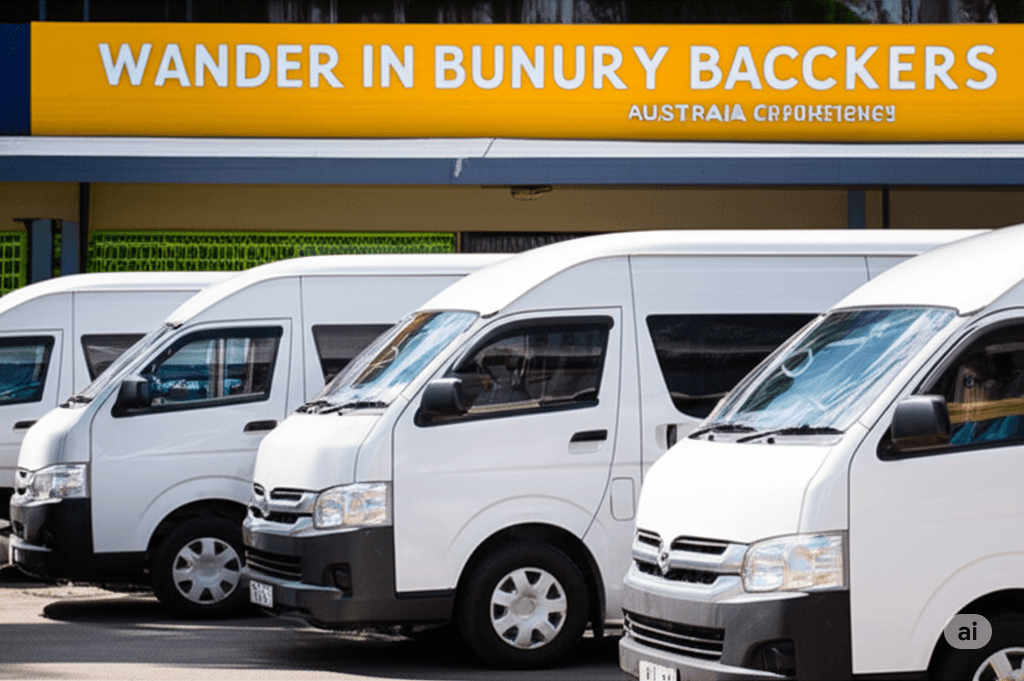
The best working hostels operate genuine fleets of vehicles rather than a single unreliable minivan. This means high availability, reduced wait times, and the capacity for large numbers of guests to reliably access work simultaneously. Vans run dedicated routes taking you directly from the hostel door to the specific farm gate or industrial site.
2. Predictable Budgeting
Hostel-provided transport usually comes with a set, affordable daily or weekly fee — and in some arrangements, the employer subsidises it entirely to guarantee a reliable workforce. This predictable cost makes budgeting significantly easier than the volatile expenses of fuel, mechanic bills, or emergency taxi fares.
3. Guaranteed Punctuality — Critical on Piece Rates
If you are picking citrus in Mildura, Victoria, or sweating through a banana farm in Tully, Queensland, you are likely working piece rates — paid per bin or bucket rather than per hour. If an unreliable ride makes you two hours late, you miss the prime, cool morning picking hours and lose a significant chunk of your daily earning potential. Hostel-run transport is professionally managed by experienced local drivers who know the roads — ensuring you are on site, on time, and ready to earn from the first minute of the shift.
4. Safety and Community
When you are not the one driving, your commute becomes recovery time — sleep, breakfast, or simple decompression after a gruelling shift the day before. A dedicated driver removes the burden of navigating dangerous rural roads while exhausted. Riding the van daily also builds genuine camaraderie — you bond with fellow backpackers over shared struggles, trade picking technique tips, and plan weekend adventures together during the ride.
Gearing Up for the Farm Commute
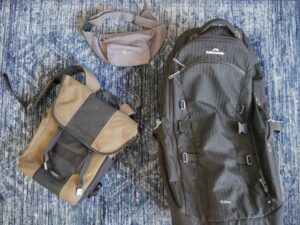
When you rely on working hostel transport in Australia, you are typically leaving before dawn — and once the van drops you off in the middle of a 500-acre macadamia farm, there is no running back to town if you forgot something. You must be entirely self-sufficient for the eight to ten hours you spend in the field.
Pack a large insulated water jug (hydration is a genuine safety issue in Australian outback conditions), a high-quality UV-protective wide-brim hat, high-visibility clothing, and properly fitted steel-capped work boots. Do not buy cheap equipment that falls apart within a week. For heavily vetted, farm-tested gear recommendations, visit the Backpack Australia Resources Page. Having the right gear packed in your day bag before you step onto the hostel bus is what separates the backpackers who thrive from those who quit after week one.
Frequently Asked Questions: Working Hostel Transport in Australia
Do I legally need to own a car to complete my 88 days of regional work?
No, absolutely not. While a car offers freedom on days off, thousands of backpackers successfully complete their regional work requirements every year by relying entirely on dedicated transport services provided by reputable working hostels.
Is hostel transport usually deducted from my wages or paid separately?
This depends on the specific arrangement between the hostel and the farm. Sometimes the transport fee is a small flat rate added to weekly hostel rent. In other cases, the employer subsidises the service entirely to guarantee a reliable workforce arrives on time. Always ask the hostel manager for a clear cost breakdown before accepting any placement.
Can I just ride a bicycle to the farm instead?
Unless the farm is genuinely adjacent to your accommodation, cycling is strongly discouraged. Regional Australian highways are often narrow, heavily trafficked by road trains, and lack designated bike lanes. Combined with intense heat and physical exhaustion after a shift, cycling becomes a serious and unnecessary safety risk.
Fast-Track Your 88 Days Without the Commute Headache
There is a genuine opportunity cost to getting your working holiday logistics wrong. Every day spent in an expensive metropolitan hostel scrolling job boards, arguing over who buys a car, or waiting for a callback that never comes is savings burning away. It is entirely avoidable to waste weeks slaving away trying to find work independently — including work that turns out to be logistically impossible to reach.
Backpack Australia has direct contact with over 4,000 eligible employers and connects with virtually all the top-tier working hostels across Australia — including those with established, professionally managed transport. We take the guesswork out entirely, placing you into reliable work with reliable transport already sorted so you can knock out your 88 days fast and start earning real money sooner.
Sign Up for the Job Help Programme Newsletter to get immediate access to our exclusive employer and hostel networks today.

Conclusion
Your Working Holiday Visa is a golden ticket to one of the most beautiful, diverse countries on the planet. Don’t let the logistics of a daily commute turn your outback adventure into a stressful grind. Finding a hostel that provides reliable, affordable transport for regional farm work is not a minor convenience — it is a strategic advantage that maximises your earning potential, keeps you safe on unfamiliar rural roads, and lets you focus your energy on making incredible memories. Choose your base wisely, gear up properly, and get ready for the experience of a lifetime.