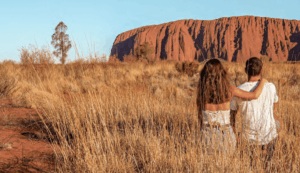

Off-peak season backpacking in Australia is the strategy that separates travelers who run out of money halfway through their trip from those who build a genuinely sustainable, well-funded working holiday. Your mind is likely buzzing with images of sun-drenched beaches, iconic landmarks, and vibrant city nightlife — the picture that travel guides and social media almost exclusively paint of Australia during peak season. It is tempting to simply follow the crowds. But the savviest working holiday makers eventually discover a crucial truth: doing the opposite — avoiding peak season travel and instead focusing on regional work during quieter periods — is often the smartest, most rewarding, and most financially sound way to experience this country. This guide covers why the peak season trap catches out unprepared travelers, the specific advantages of the off-peak strategy, and how to time your entire working holiday for maximum earnings with minimum competition.
The Peak Season Trap: More Headaches Than Holidays
The allure of peak season is undeniable — perfect beach weather, a vibrant party atmosphere, and the sense that everyone is travelling alongside you. But what looks like paradise on a travel influencer’s feed translates into a series of frustrating realities for a budget-conscious backpacker attempting working holiday travel in Australia.
- Inflated prices — hostels, hotels, and even basic campsites significantly hike their rates during peak periods. Cheap dorm beds become premium commodities, private rooms become unaffordable, and airfares, bus tickets, and car rentals all skyrocket. A carefully saved budget dwindles fast, forcing many travelers to cut their trip short.
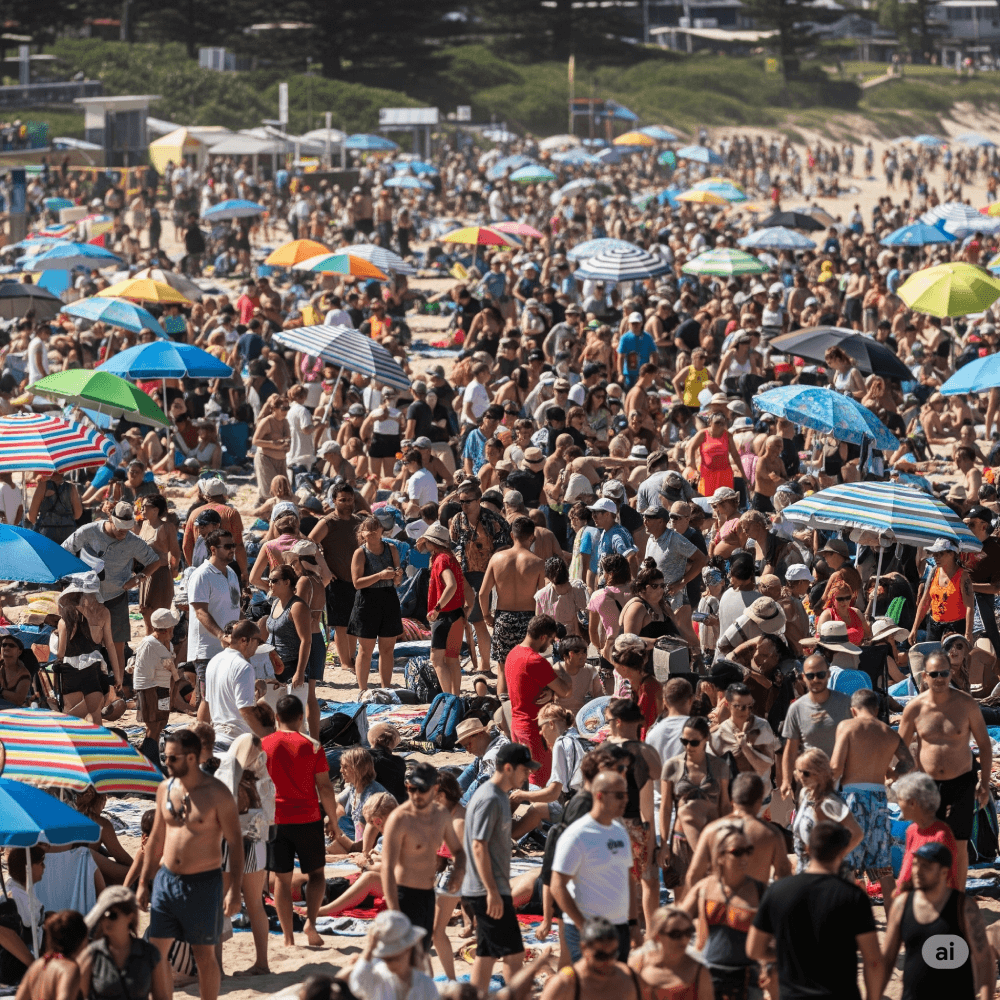
- Overcrowding and diminished experiences — iconic landmarks become swarming hives of tourists. Queues lengthen dramatically, and the intended sense of awe is replaced by frustration. You spend more time waiting in line than actually experiencing the moment.
- Fierce competition for work — everyone wants to work in popular tourist hotspots during peak seasons, creating a massive bottleneck of applicants competing for limited positions. This makes finding the specific regional work required for a Working Holiday Visa extension significantly harder.
- Extreme and unpredictable weather — in some parts of Australia, “peak season” actually coincides with the height of the humid wet season or extreme heat, bringing physical discomfort, genuine health risks like heatstroke, and potential cyclone or flood disruption.

The Off-Peak Power Play: Boots on the Ground
The secret to a successful, extended Australian working holiday lies in timing your regional work strategically to actively avoid the general tourist rush. This isn’t just about saving a few dollars — it’s about understanding the gritty reality of Australian agricultural employment cycles.
Abundant Work Opportunities
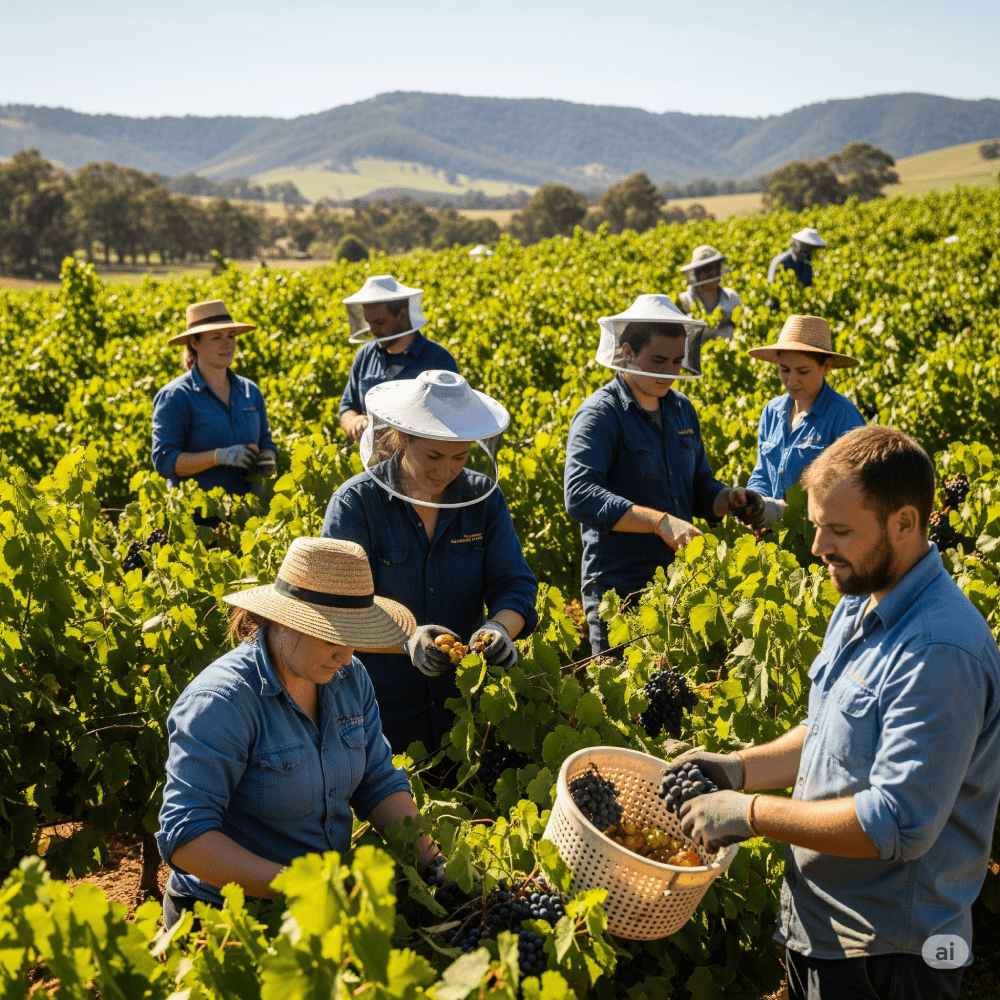
Many vital Australian industries — particularly agriculture and horticulture — have seasonal demands that fall entirely outside traditional tourist peak periods. Harvest seasons for fruit picking or packing shed work often peak in autumn, winter, or spring. Because fewer backpackers are competing for these roles during off-peak periods, it is significantly easier to secure the eligible regional work needed for your second and third-year visa extensions.
Massive Cost Savings
Hostel and regional accommodation rates drop significantly outside peak tourist times. Transport — flights and buses alike — is often much cheaper during shoulder or off-peak seasons. Your money stretches considerably further, allowing you to build a genuinely robust travel fund rather than watching your savings drain.
Better Working Conditions
Working during cooler periods can be significantly more pleasant for gruelling outdoor labour. Time your regional work for the milder months, then use your savings to travel during shoulder seasons when the weather is mild and crowds are manageable.
Our team at Backpack Australia shares this practical advice every day when helping newly arrived travelers prepare for the realities of regional jobs. Agricultural work is not for the faint of heart — it means 4:30 AM wake-up calls to beat the midday sun and understanding the difference between hourly pay and piece rates, where you are paid per bin or bucket filled. If you are picking bananas in Tully, Queensland, expect intense tropical humidity, heavy lifting, and the occasional huntsman spider. If you are picking citrus in Mildura, Victoria, expect frosty, freezing mornings before the sun thaws the orchards. Before you head out to any farm, ensure you have proper heavy-duty workwear, high-visibility clothing, and comfortable steel-capped boots. Find a comprehensive checklist of essential farm gear on the Backpack Australia Resources Page.
The Savvy Backpacker’s Timeline: Strategies for Off-Peak Success
Effectively leveraging the off-peak backpacking strategy in Australia requires a mindful, structured approach to your overall timeline rather than improvising as you go.
Research Seasonal Work Cycles
Understand exactly when and where different agricultural harvests occur. Check the Department of Home Affairs website to confirm eligible work types and regions, review state agricultural harvest calendars, and monitor backpacker job boards for real-time regional demand information.
Embrace the Work-and-Save, Then-Travel Cycle
Dedicate a solid block of time — typically three to four months — to working hard and living frugally in a designated regional area. Focus entirely on earning and saving during this period. This builds a substantial travel fund that allows you to explore comfortably during shoulder or off-peak seasons when prices are significantly lower.
Travel During Shoulder Seasons
Shoulder periods are the genuine sweet spot: good weather, far fewer crowds, and significantly lower prices than peak season. Travelling in spring (September to November) or autumn (March to May) typically offers pleasant temperatures and manageable tourist numbers across most of the country.
Utilise Working Hostels for Local Intelligence
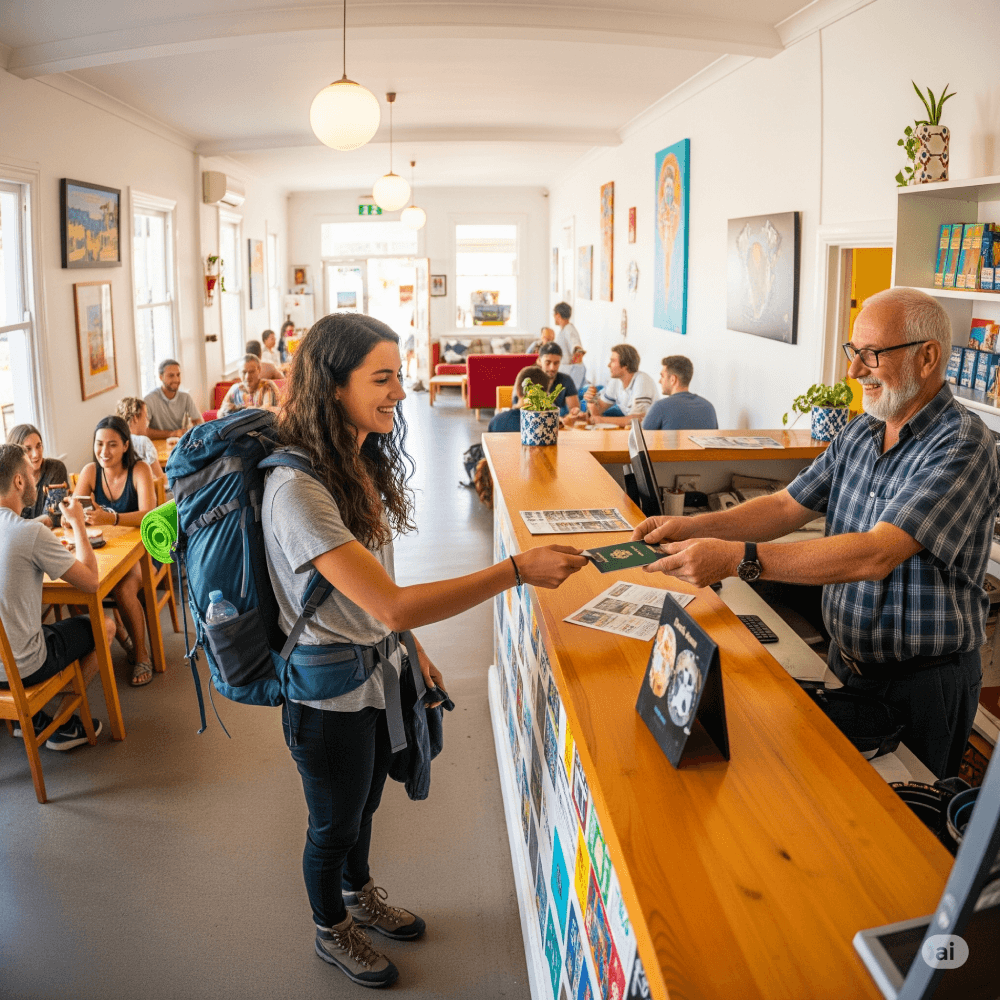
Hostels in regional areas are invaluable hubs for real-time information and on-the-ground support. Speak to hostel staff about current regional work opportunities, upcoming seasonal demand, and job listings — they consistently have more current information than any online source.
Stay Flexible and Adaptable
Even with the best planning, Australia can throw curveballs — weather events, delayed harvests, or unexpected employer changes. Have a backup regional area in mind, and be willing to pivot if your first choice isn’t yielding work.
FAQ: Navigating Off-Peak Regional Work in Australia
What exactly counts as specified work for the 88 days?
Specified work includes agriculture (fruit picking, packing, animal husbandry), fishing and pearling, tree farming and felling, mining, and construction. It must be completed in a designated regional area as defined by the Australian Government’s approved postcodes — always verify current eligibility on the Department of Home Affairs website before accepting a placement.
Is it better to get paid hourly or by piece rate?
Hourly pay — which must meet the national minimum wage — provides financial security and suits beginners best. Piece rates pay based on harvest volume; experienced, fast, physically fit pickers can earn significantly more, but the structure is genuinely risky for newcomers still learning the physical technique of the specific crop.
Do I need a car for off-peak regional work?
Not strictly mandatory, but a significant advantage. Farms are often geographically isolated, and relying solely on expensive hostel shuttles or nonexistent public transport can limit your job options considerably, especially in more remote off-peak harvest regions.
Stop Wasting Time: Fast-Track Your 88 Days
The biggest mistake backpackers make is burning through savings while sitting in an expensive city hostel, desperately scrolling dead-end job boards, and hoping a regional farmer calls back. The opportunity cost is staggering — every week unemployed is a week of wages lost and visa time ticking away. It is entirely avoidable to waste months navigating the notoriously unreliable world of independent farm work searching when a faster, safer system already exists.
Backpack Australia has direct, established contact with over 4,000 eligible regional employers and connects with virtually all the reputable working hostels across the entire country. We remove the guesswork entirely — bypass the scams, stop wasting money on city rent, and plug straight into a system designed to get you hired. Knock out your 88 days fast, start earning real money sooner, and secure your visa extension.
Sign Up for the Job Help Programme Newsletter to get immediate access to our employer and hostel networks today.
Conclusion
Off-peak season backpacking in Australia isn’t about missing out on the fun — it’s about playing the long game. By front-loading your Australian experience with focused regional work during the quieter months, you bypass the inflated costs and fierce competition that sink so many travelers’ budgets. You secure your visa, build a substantial travel fund, and earn the right to explore this extraordinary country entirely on your own terms. Work smart, save aggressively, and your Australian adventure becomes genuinely limitless.