

Preparing for travel delays while backpacking Australia is one of those unglamorous skills nobody talks about until they are stranded on a flooded highway with a farm job on the line. You’ve finally made it — flights booked, hostels reserved, itinerary sketched out, buzzing with anticipation to explore the outback and secure your Working Holiday Visa extension. But here’s a crucial truth too many backpackers learn the hard way: travel is inherently unpredictable, and unanticipated delays or cancellations can, and often do, disrupt even the best-laid plans. From sudden airline groundings to unforeseen outback road closures, these disruptions can quickly turn an exciting adventure into a saga of frustration, unexpected costs, and missed employment opportunities. This guide covers why Australia is uniquely prone to travel disruption, how a single delay can jeopardise your 88-day visa work, and the tactical toolkit that keeps you calm, prepared, and financially protected when plans go sideways.
The Brutal Reality of Australian Travel: Why Things Go Sideways
Australia is a continent of absolute extremes, vast distances, and diverse climates — a combination that creates a genuine perfect storm for travel delays for backpackers that few other destinations match.
- Extreme weather conditions — in the tropical north (November to April), intense cyclones can shut down entire regional airports, flood essential highways, and cut off major agricultural regions for weeks. Down south, summer bushfire season brings sudden road closures, locked national parks, and smoke that obliterates flight visibility. Severe thunderstorms and dust storms can grind transport to a halt with little warning.
- Mechanical and operational failures — airlines, major bus networks like Greyhound Australia, and regional train services frequently experience mechanical failures, unexpected maintenance, or crew shortages. Because towns are so far apart, a broken-down bus often means waiting hours or days for a replacement.
- Industrial action — sudden strikes by ground crew, airline staff, or transport workers can bring transit to a complete standstill with virtually no notice.
- Environmental factors — landslides, rockfalls, and wildlife crossing remote roads can cause indefinite closures in regional and outback areas.

The Domino Effect: How One Delay Can Derail Your 88 Days
A single, seemingly minor delay can trigger a cascade of logistical problems that turns a meticulously planned journey into genuine chaos.
The Budget Blowout
The most immediate pain is financial. Unexpected overnight accommodation, overpriced airport meals, taxi fares from missed public transport, and last-minute rebooking fees rapidly deplete travel funds — financial stress that can single-handedly force a trip to end early.
Itinerary Collapse and Missed Connections
A delayed flight means missing a connecting regional bus, a pre-booked outback tour, or a hostel reservation. Non-refundable deposits are lost, travel days are wasted, and re-planning everything on the fly is genuinely stressful.
Visa and Work Complications: The 88 Days Danger
This is where travel delays hit hardest for backpackers in Australia. Missing a start date for a regional work job can entirely jeopardise the position, since farmers need reliable hands immediately during harvest windows. Picture securing a lucrative piece-rate job picking bananas in Tully, Queensland — brutal humidity, but good money. A flooded road delays your Greyhound by 48 hours. The farmer cannot wait; the fruit is rotting. Your bed at the working hostel and your job go to someone who was already in town. Prolonged delays directly threaten your ability to accrue the 88 days needed for a second or third-year visa extension.
Lost Baggage
Frequent re-routing and tight, panicked connections significantly increase the risk of luggage being misdirected — a genuine problem when your farm work gear is inside it.
Our team at Backpack Australia shares this practical advice every day when helping travelers prepare for regional jobs, because a simple travel delay should never cost you your visa extension.
Your Tactical Survival Toolkit for Travel Delays in Australia
You cannot control a cyclone, a bushfire, or a flat tyre on a regional bus. But you can control your preparation and your response.
Comprehensive Travel Insurance
Non-negotiable. Ensure your policy specifically covers travel delays, cancellations, trip interruptions, and associated costs like emergency accommodation and meals. Read the Product Disclosure Statement carefully so you understand the exact terms, limits, and qualifying triggers such as severe weather or mechanical breakdown.
Build Flexibility Into Your Itinerary
Rigid schedules are a recipe for high anxiety. Avoid back-to-back flights or tightly packed cross-country connections. Build in at least a buffer day between long journeys, and avoid booking non-refundable activities on your very first day in a new location.
Know Your Rights Under Australian Consumer Law
Airlines are not obligated to compensate for “extraordinary circumstances” like a cyclone, but they do have responsibilities for delays within their control, such as mechanical issues. Familiarise yourself with your transport provider’s Passenger Charter or the ACCC’s consumer rights guidelines so you can be polite but assertive about your entitlements when a delay is within the carrier’s control.
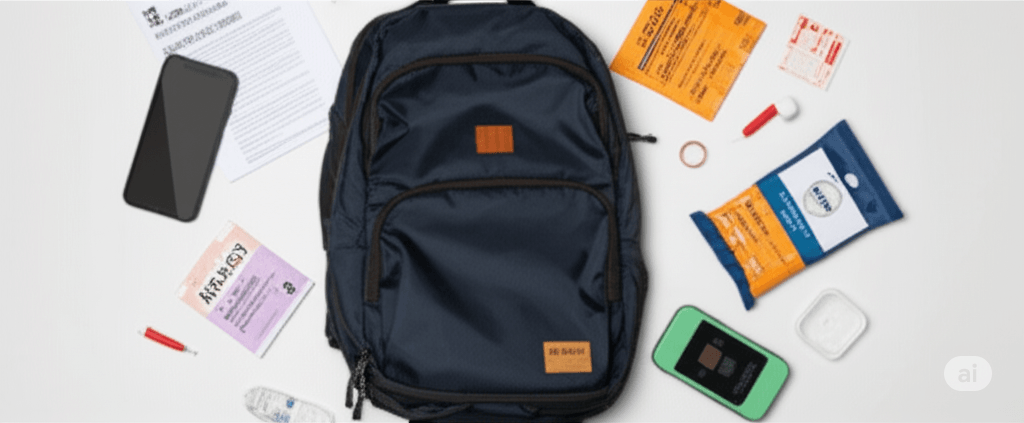
Maintain an Essential Go-Bag
If you are suddenly stranded on a rural highway or sleeping on an airport floor, you need immediate access to essentials. Keep a delay survival kit in your daypack: a fully charged power bank, essential document copies (passport, visa), basic toiletries, a change of clothes, and high-energy snacks. For reliable power banks, weatherproof gear, and essential regional work clothing to stock your go-bag, check the Backpack Australia Resources Page.
What to Do When You Are Actually Stranded
When “CANCELLED” flashes on the departure board, follow these steps immediately:
- Get in line physically and digitally — call the airline or bus company while queuing for customer service, and check their app for rebooking options simultaneously. Whichever channel resolves first wins.
- Communicate with employers immediately — if you are en route to a farm job, whether waking at 4:30 AM to pick citrus in Mildura or picking mangoes in the Top End, call your employer or hostel manager the moment you know you are delayed. Transparency proves reliability, and employers are far more likely to hold your placement if they hear from you directly.
- Document everything — ask staff for written confirmation of the cancellation reason and duration. Note who you spoke to, and keep every receipt for unexpected expenses for your insurance claim.
FAQ: Navigating Travel Disruptions in Australia
Will the airline pay for my hotel if my flight is cancelled due to weather?
Generally, no. Under Australian Consumer Law, airlines are not typically liable for disruptions caused by events outside their control, such as severe storms or bushfires. This is exactly why comprehensive travel insurance is essential for backpackers rather than optional.
How do I protect my farm work job if my bus is delayed?
Communication is everything. Farmers and working hostel managers understand that rural transport can be unreliable. Call immediately, explain the situation, and provide a revised ETA — they will usually work with you. A simple no-show, however, means your position goes to the next available backpacker.
Should I book non-refundable tickets to save money?
While budget travel is the backpacker way, the absolute cheapest, inflexible ticket can cost more in the long run. If traveling during extreme weather seasons — the wet season up north, or bushfire season down south — or working toward a strict visa deadline, spending extra for a flexible fare can save hundreds in rebooking fees later.

Stop Wasting Time: Fast-Track Your Regional Work and 88 Days
Navigating travel delays while backpacking Australia is stressful enough without the added anxiety of wandering blindly from town to town handing out resumes and hoping to find a farm job that actually signs off on your visa. It is genuinely foolhardy to waste weeks slaving away trying to find work independently while burning through savings in expensive city hostels.
Backpack Australia has direct, established contact with over 4,000 eligible employers and connects with virtually all the legitimate working hostels across the country. Joining our system is drastically easier and quicker — we bypass the guesswork, allowing you to lock in reliable work, knock out your 88 days fast, and start earning premium wages sooner.
Sign Up for the Job Help Programme Newsletter to get immediate access to our exclusive employer and hostel networks today.
Conclusion
Unanticipated travel delays while backpacking Australia are an inevitable, frustrating part of long-term travel across this continent. By adopting a proactive mindset, packing a proper go-bag, securing comprehensive insurance, and communicating clearly with employers the moment things go wrong, you can dramatically reduce both the stress and the financial impact. Sometimes a broken-down bus or a delayed flight forces you to spend an extra night in a town you would have otherwise bypassed — leading to new friends and unexpected memories. Adaptability isn’t just a travel skill; on the road in Australia, it is your absolute superpower. Stay flexible, stay prepared, and embrace the wild ride.