Choosing the right backpack for Australia is the first and most consequential gear decision you will make before your working holiday begins. Your pack is not just luggage — it is your home for the duration of the trip, and it will be tested in ways that most travel gear simply was not designed to handle. Thrown into Greyhound bus storage compartments, shoved into cramped hostel lockers, drenched by tropical downpours in Far North Queensland, coated in the red outback dust of the NT, and exposed to UV intensity that destroys cheap materials within weeks. You are not just a tourist on a sightseeing itinerary; you are living, working, and traveling through some of the most beautiful and genuinely unforgiving environments on earth. This guide covers everything you need to make the right choice — and the gear knowledge to back it up once you arrive.
The Gritty Reality: What Your Backpack Actually Needs to Survive in Australia
Before you can make a sound decision about choosing a backpack for your Australian working holiday, you need to understand exactly what you are putting it through. Backpacking in Australia on a Working Holiday Visa is not just beaches and city breaks — for most people, it means completing 88 days of specified regional work in conditions that test both your body and your gear.
Picture waking up at 4:30 AM in Tully, Queensland, during the wet season. The humidity is already sitting at 80%, the red dirt gets into everything, and you are about to spend eight hours doing intense physical labour in banana plantations. Or Mildura, Victoria — navigating citrus picking on piece rates where your earnings depend entirely on how many bins you fill before the midday heat peaks. Your backpack is going to live in the back of a work minibus, sit in a dusty hostel corner, and be repacked in the dark before dawn more times than you can count. Flimsy zippers and cheap materials will not last a month in these conditions. You need gear that works as hard as you do.

How to Choose the Perfect Backpack for Australia
1. Types of Backpacks
For working holiday makers, the choice is straightforward: an internal frame pack is the right option for the vast majority of Australia travel scenarios. Internal frame packs are streamlined, sit close to your body for balance and comfort, and are far easier to slide into hostel lockers and overhead compartments than external frame alternatives. External frame packs are largely outdated for modern backpackers unless you are carrying unusually heavy loads on extended outback expeditions. Hydration packs make excellent secondary day-packs for hot regional work days or weekend hikes, but are not appropriate as primary luggage.
2. Fit and Torso Sizing
The most common and most expensive mistake when choosing a backpack for Australia is assuming sizing is based on overall height. It is not — it is based on your torso length, measured from your C7 vertebra at the base of your neck down to your iliac crest at your hips. When a pack is correctly fitted, 80% of the bag’s weight should rest on your hips via the hip belt, sparing your shoulders from the kind of cumulative damage that derails a regional work placement. Always try packs on with weight in them before committing — not empty off a display hook.

3. Volume: Getting the Size Right
For most working holiday makers, a pack between 55 and 70 litres is the sweet spot. Anything smaller and you will not have room for regional work clothing — steel-capped boots, high-vis shirts, wide-brim hats, and layers for Victoria or Tasmania winter placements. Anything larger and you risk chronic overpacking that makes every hostel move and bus journey significantly harder than it needs to be.
4. Weight and Material Durability
Every kilogram of pack weight is a kilogram you carry for the entire trip. Opt for lightweight materials, but be wary of ultra-light packs made from paper-thin nylon if you are doing significant regional farm work — you need a balance between pack weight and puncture resistance. Look for high-denier ripstop nylon as the baseline fabric for any pack you are taking into agricultural environments.
5. Essential Features for the Australian Working Holiday
- Ventilated back panel — a suspended mesh back panel is a genuine quality-of-life upgrade in the Australian heat, preventing a constant pool of sweat from forming on your back during long walks and transit days.
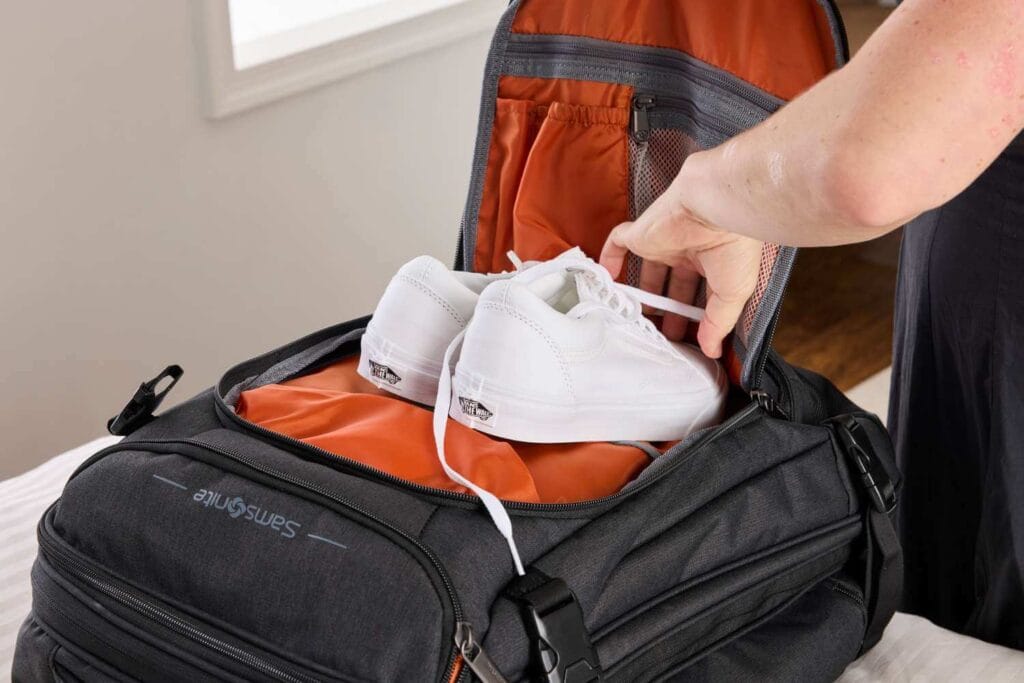
- Front-loading access — a U-zip or front-panel zipper that opens like a suitcase allows you to access anything in the pack without unpacking everything. Top-loading bags require you to remove every item to find clean socks at the bottom — a serious inconvenience at 4:00 AM before a farm start.
- Hip belt pockets — essential for carrying your phone, sunscreen, and snacks without breaking your packing system every time you need them during a shift.
- Rain cover — either built-in or purchased separately. Tropical downpours in Queensland and NT are not gentle, and a wet pack is a miserable problem.
- Lockable zippers — compatible with small combination padlocks for securing your pack in transit or in shared hostel environments.
For vetted recommendations on durable, farm-tested travel packs, workwear, and regional work essentials, visit the Backpack Australia Resources Page. Our team reviews this gear against real working holiday conditions, not just retail specs.

6. Always Test Before You Buy
Never purchase a primary backpack for Australia without physically trying it on with weight in it. Load 15 kilograms into the pack at the store and walk around for at least twenty minutes, noting any pressure points on your shoulders, hips, or lower back. A snapped hip belt or blown-out zipper is a serious inconvenience when you are three hours from the nearest outdoor supply store in a regional agricultural area.
Top Backpack Recommendations for an Australian Working Holiday
Based on real-world durability, comfort in Australian conditions, and consistent performance across the working holiday circuit, these four packs are the most recommended by experienced Australian backpackers.
| Backpack Model | Key Strengths | Best Suited For |
|---|---|---|
| Osprey Atmos AG 65 | Exceptional ventilation and suspension comfort | Travelers prioritising airflow in tropical heat and superior all-day comfort |
| Deuter Aircontact Lite 60+10 | Outstanding load stability on long transitions | Carrying heavier loads between regional farm towns across mixed terrain |
| Gregory Baltoro 75 | Maximum capacity with robust frame support | Working holiday makers carrying work boots, farm gear, and winter layers simultaneously |
| Arc’teryx Bora AR 63 | Rugged durability and ergonomic design | Adventurers heading into outback conditions or unpredictable weather environments |

Essential Packing and Safety Strategies for Australia
- Pack for all climates, not just summer — many backpackers arrive assuming Australia is uniformly hot. If you are picking apples in Tasmania, doing vineyard pruning in winter Victoria, or working in the highlands of Far North Queensland, you will experience genuine cold. Layering is critical and requires deliberate packing choices.
- Buy farm work clothes in Australia — regional agricultural supply stores, Kmart, and Target in regional towns carry cheap, durable high-vis clothing, wide-brim hats, and steel-capped boots at significantly better prices than importing from home. Save your backpack space for everyday clothing and use your first few days in a regional hub to kit out for work.
- Dedicate space to a first-aid kit — a compact but comprehensive first-aid kit, emergency water, and a quality hat should be accessible in your pack at all times in remote or regional environments.
- Travel with two combination padlocks — one for your hostel locker and one for your pack in transit. Combination locks eliminate the risk of losing a key on the farm.

Frequently Asked Questions: Choosing a Backpack for Australia
What size backpack do I need for a 12-month working holiday?
Between 55 and 70 litres for most travelers. This range accommodates regional work clothing and boots without encouraging the chronic overpacking that makes every hostel move harder than it needs to be. If you are genuinely unsure, start conservatively — you can always post items home or leave them at a working hostel base.
Should I bring farm work clothes from home or buy them in Australia?
Buy them in Australia. Regional towns have dedicated agricultural supply stores and budget retailers where you can find durable high-vis shirts, work gloves, wide-brim hats, and steel-capped boots at reasonable prices. Save your backpack space for the everyday clothes you actually want to travel in.
How do I keep my belongings safe in working hostels?
Two high-quality combination padlocks — one for your hostel locker and one for your pack. Most working hostels provide lockers but not locks. Combination locks are significantly preferable to keyed locks because there is no key to lose during a farm shift or at a beach.
Secure Your 88 Days and Make the Most of Your Gear Investment
Having the perfect backpack for Australia is only half the equation. The biggest mistake we see working holiday makers make is arriving fully geared up, only to spend weeks burning through their savings in expensive city hostels because they cannot find reliable regional work. Your gear investment means nothing if you are not earning to fund the adventure it is designed to support.
Backpack Australia has direct contact with over 4,000 eligible employers and connects with virtually all the working hostels across Australia. We bypass the scams, the dead ends, and the outdated leads — putting you directly in front of legitimate farmers who need workers right now. Knock out your 88 days fast, stack your account with reliable wages, and get back to doing what you actually came here for.
Sign Up for the Job Help Programme Newsletter to get immediate access to our exclusive employer and hostel networks today.

Conclusion
Choosing the right backpack for Australia sets the physical foundation for everything that follows on your working holiday. Get the fit right, choose the appropriate volume for your specific itinerary, prioritise durability over price for Australian conditions, and test everything with real weight before you commit. Then pair your gear with the right regional work network to ensure you are earning rather than waiting. Gear up properly, connect with trusted employers, and step confidently into one of the best adventures available anywhere in the world.