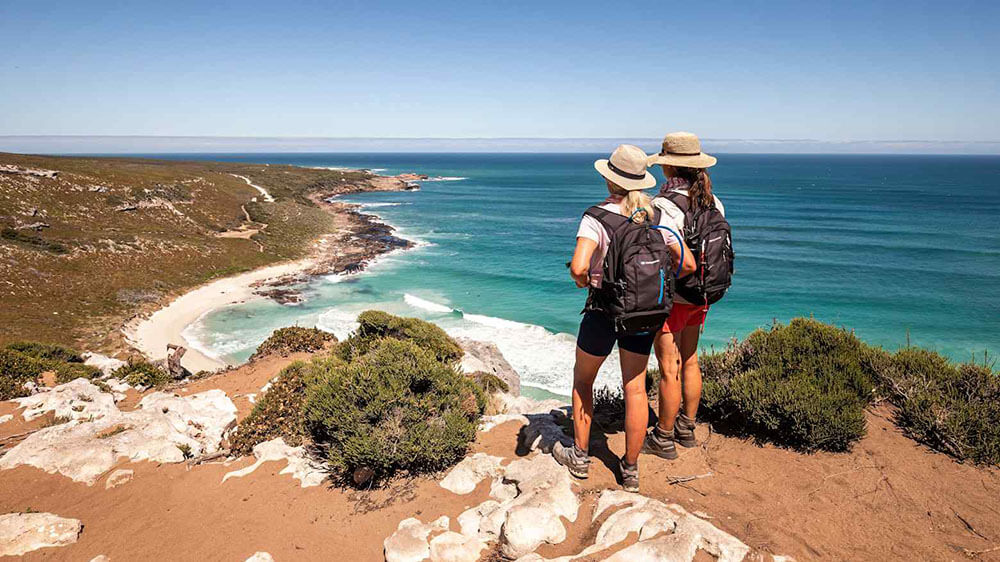
Understanding backpacker fatigue in Australia is the first step to actually beating it. Australia — the land of endless sunshine, ancient rainforests, and unforgettable outback adventures. You’ve dreamt of this moment: exploring vibrant cities, hitting the road, and earning serious money to extend your Working Holiday Visa. But amid the excitement and adrenaline, a sneaky foe creeps up on even the most enthusiastic backpacker: fatigue. Feeling constantly drained, struggling to enjoy hard-earned experiences, and finding it impossible to stay motivated is more common than most travelers expect. This guide breaks down exactly why backpacker fatigue hits so hard in Australia specifically, and gives you the tactical strategies to reclaim your energy so you can genuinely enjoy the adventure you flew here for.
The Anatomy of the Aussie Slump: Why Are You So Exhausted?
Backpacking in Australia throws an immense amount of stress at your body and mind. It’s rarely just one thing — backpacker fatigue in Australia is a unique combination of extreme conditions and lifestyle shifts that lead to a persistent, compounding feeling of being wiped out.
The Relentless Australian Climate
The Australian sun is intense. When exposed to extreme heat, your body works overtime to regulate its internal temperature, leading to massive energy expenditure. If you fall behind on fluid intake, dehydration acts as a multiplier for fatigue, making even simple tasks feel monumental. The classic “Slip, Slop, Slap, Seek, Slide” sun-safety protocol isn’t just about avoiding sunburn — it is crucial for conserving your daily energy levels.
The Working Holiday Grind
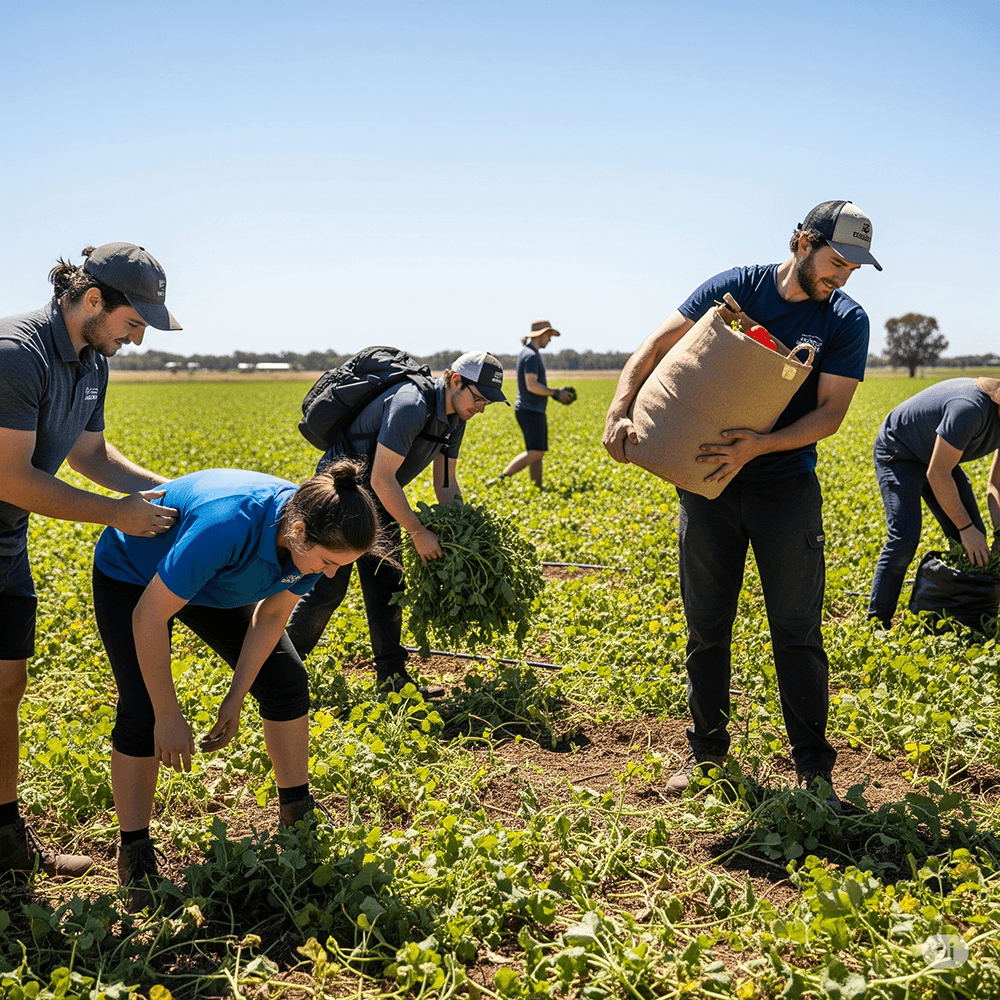
For Working Holiday Visa holders, balancing travel with finding and maintaining employment is a genuine juggling act — and regional farm work is gruelling. Think 5:00 AM wake-ups to beat the heat during citrus picking in Mildura, Victoria. Think suffocating, sweat-drenched humidity while humping bananas in Tully, Queensland. When you are chasing piece rates — paid per bucket or bin rather than per hour — the psychological drive to earn pushes your body to its absolute physical limits. Without deliberate time and energy management, this grind leads straight to burnout.
Constant Motion and Sleep Deprivation
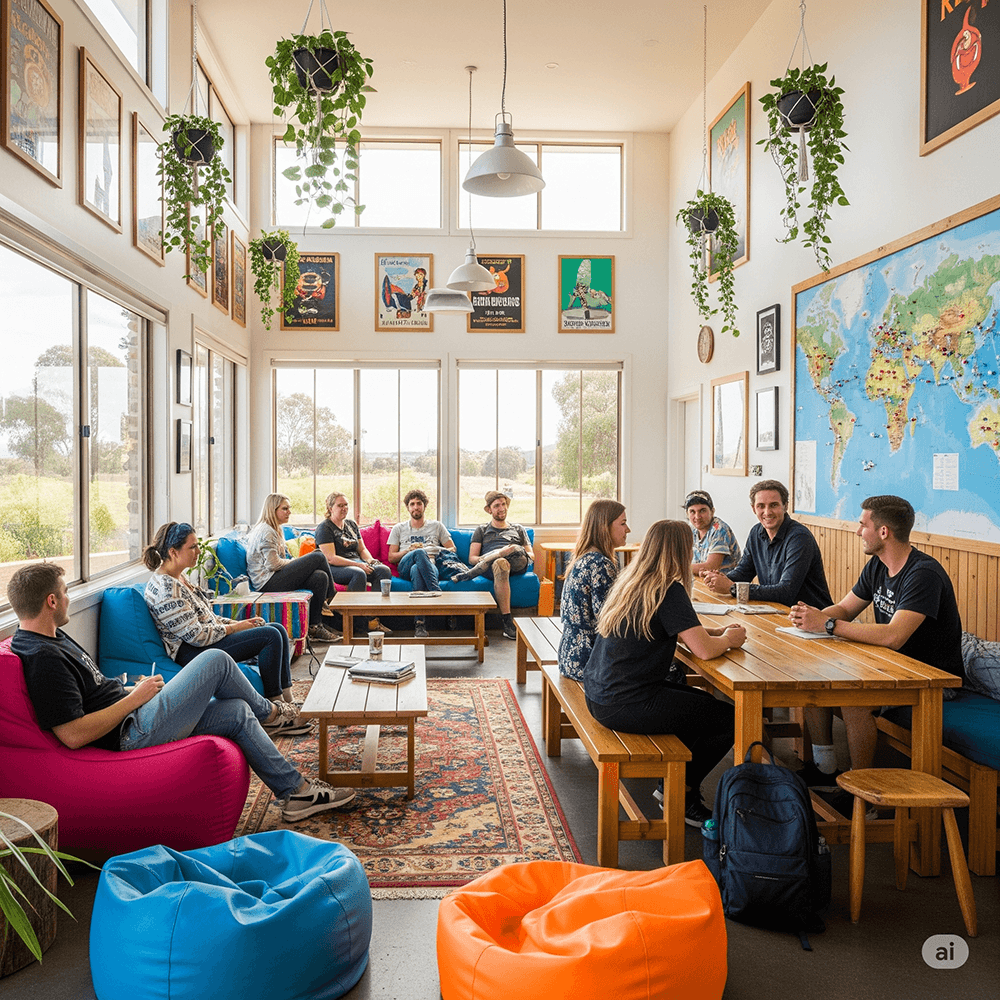
Backpacking inherently means constant motion. Overnight buses, airport navigation, and repeatedly packing and unpacking take a surprisingly heavy physical toll over time. Finding consistent, high-quality sleep is a genuine challenge — irregular schedules, early morning tours, late-night hostel conversations, and noisy shared dorms all contribute to a significant sleep debt that leaves you feeling perpetually sluggish.
Nutritional Shifts and Mental Load
Diet takes a hit on the road. Backpackers rely on quick, budget-friendly meals rather than balanced home cooking, and chaotic hostel kitchens combined with frequent eating out both drain funds and deprive you of essential nutrients. Combine this with the mental load of constantly navigating new environments, calculating budgets, adapting to regional accents, and managing homesickness — mental fatigue frequently manifests as physical tiredness.
Tactical Strategies to Reclaim Your Energy in Australia
The good news: backpacker fatigue does not have to dictate your Australian adventure. Our team at Backpack Australia shares this practical advice when helping travelers prepare for regional jobs, because proactively implementing these strategies genuinely bulletproofs your body against burnout.
Master Aggressive Hydration
- Carry a reusable water bottle everywhere and sip continuously rather than waiting for thirst — by the time you feel thirsty, you are already mildly dehydrated.
- Use electrolyte tablets or sports drinks to replenish lost salts, especially after strenuous farm work or intense travel days in the heat.
- Limit sugary drinks and heavy alcohol consumption, as both actively contribute to dehydration and disrupt sleep quality.
Protect Your Sleep Without Compromise
- Establish a consistent sleep schedule, even if it means sacrificing the occasional late-night hostel party.
- Invest in high-quality earplugs and a contoured eye mask to block out dorm room disruptions.
- Schedule genuine rest days that allow you to sleep in and let your muscles fully recover.
Fuel the Machine Properly
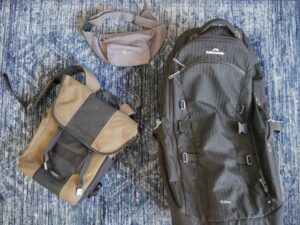
Take full advantage of hostel kitchens to cook simple, vegetable-heavy meals. Load up on complex carbohydrates, fruits, and sufficient protein to sustain your energy levels through physical work. Carry nutrient-dense snacks — nuts, seeds, dried fruit — for long bus rides or field shifts. Wearing the right gear also saves your body from unnecessary strain: moisture-wicking farm shirts, heavy-duty hydration packs, and wide-brim hats all reduce the physical toll of a long day outdoors. Check the Backpack Australia Resources Page for curated essential equipment recommendations.
Embrace the Aussie Siesta and Smart Pacing
Don’t cram too much into your itinerary. Learn to recognise the early signs of fatigue — if your body needs a break, don’t force that extra hike. During peak heat (typically 10:00 AM to 4:00 PM), follow the local lead and take a break: find shade, read, or nap to avoid the most exhausting temperatures. Save exercise for cooler early mornings or late evenings.
Manage the Mental Curveballs
Comprehensive travel insurance and a well-stocked first-aid kit prevent minor inconveniences from becoming major, energy-draining stressors. Make time to decompress through mindfulness, reading, or staying connected with friends and family back home to ease the mental load that compounds physical exhaustion.
The Backpack Australia Advantage: Work Smarter, Not Harder
One specific factor drains a backpacker’s energy — and bank account — faster than anything else: the relentless, stressful search for regional work. Too many travelers waste weeks or months slaving away online trying to find reliable farm work independently, burning through savings while waiting for a callback and stressing about their 88-day visa requirements.
Backpack Australia has direct contact with over 4,000 eligible employers and connects with virtually all the working hostels across Australia. Instead of battling fatigue and anxiety trying to secure work alone, plug directly into our established network. We help you knock out your 88 days fast, start earning sooner, and get back to what you actually came here to do.
Sign Up for the Job Help Programme Newsletter to get immediate access to our nationwide employer and hostel networks today.
Frequently Asked Questions: Backpacker Fatigue in Australia
How long does it take for my body to adapt to regional farm work?
For most backpackers, the first 10 to 14 days are the hardest — this break-in period is when muscle soreness and fatigue peak. By week three, your body has typically adapted to the early wake-ups and the specific physical movements required for your crop.
Should I choose an hourly rate or a piece rate job if I’m prone to fatigue?
If you are prone to fatigue or have never done physical labour, look for hourly rate jobs first. You get predictable income and can pace yourself safely. Piece rates reward speed and extreme physical endurance — they can be lucrative, but they carry a significantly higher risk of burnout and physical exhaustion for unprepared workers.
What is the best way to handle homesickness when I’m already physically tired?
Physical fatigue makes emotional challenges feel twice as heavy. The best remedy is community — lean on fellow travelers who are likely feeling exactly the same way. Keep a regular communication schedule with family, but focus on building genuine support right where you currently are.
Conclusion
Backpacking through Australia is a once-in-a-lifetime adventure, but it shouldn’t come at the cost of your health and sanity. By respecting the climate, mastering hydration, protecting your sleep, and outsourcing the heavy lifting of your job search to trusted experts, you can genuinely sidestep backpacker fatigue in Australia. Listen to your body, pace yourself, and prepare properly. The outback, the beaches, and the rainforests are waiting — make sure you have the energy to enjoy every single second of them.