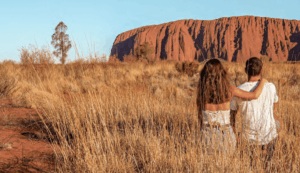
Backpacking Australia regional work is a rite of passage built on 4:30 AM alarms, aching muscles, sudden weather extremes, and the kind of camaraderie that only forms when a group of strangers is surviving the same gruelling conditions together. Australia’s rugged landscapes and vibrant backpacker culture create a backdrop for stories as diverse as the country’s wildlife — but behind the sun-kissed Instagram photos lies the gritty, genuinely rewarding reality of the Working Holiday Visa. This guide covers everything you need to know about regional farm work: the pay structures, the gear, the weather and wildlife you will encounter, the humour that gets you through the hardest days, and how to fast-track your 88 days so you can get back to the adventure you actually came here for.
The Gritty Reality of Backpacking Australia’s Regional Work
Completing your 88 days — or six months for a third-year visa — of regional work is a genuine badge of honour, but it is rarely the easy, sun-drenched experience that social media suggests. The polished photos of backpackers smiling in orchards consistently leave out the 4:30 AM alarms, the aching muscles, and the mental fortitude required to succeed at backpacking Australia’s regional work circuit day after day.
The Extremes of the Elements
Regional work means confronting the Australian climate directly, with no air conditioning between you and it. You might find yourself enduring the suffocating tropical humidity of banana picking in Tully, Queensland, sweating through your high-vis shirt before the sun has even fully risen. Alternatively, you could be freezing your fingers off on a frost-covered 2°C morning picking citrus in Mildura, Victoria. Both extremes are entirely normal parts of the same broad experience, often within the same calendar year of travel.
Hourly Rates vs. Piece Rates
Understanding your payment structure before you accept any farm placement is critical. Hourly work guarantees the national minimum wage regardless of your speed — predictable, if modest, income. Piece rates pay you per bin, bucket, or kilogram picked. If you are fit, motivated, and working a dense, high-yield crop, piece rates can be genuinely lucrative — significantly above minimum wage for an experienced picker. If you are still building technique or the crop is sparse, piece rates can be financially punishing. Always ask potential employers about their specific payment structure before committing to a placement, and confirm the rate complies with the legal minimum standard for pieceworkers.

The Importance of Proper Gear
You cannot show up to a farm in designer sneakers and a thin cotton t-shirt — and beyond the practical embarrassment, it is a genuine safety issue. Durable, UV-resistant clothing, a wide-brim hat, and heavy-duty steel-capped boots are non-negotiable for both comfort and protection from machinery, sun exposure, and wildlife. Whenever you need to stock up on reliable gear for the outback and regional farm conditions, check the Backpack Australia Resources Page to ensure you are properly equipped before your first shift.
The Essence of Backpacker Humour: Finding the Fun in the Unexpected
Backpacking inherently brings surprise — and sometimes genuine chaos. It is precisely in these unexpected moments that humour becomes a survival mechanism. When you are pushed well outside your comfort zone on a daily basis, learning to laugh at the absurdity of a given situation is one of the most useful coping skills any working holiday maker develops.
Common Comical Scenarios on the Backpacker Trail
Picture setting up a tent for the first time, only to discover it is entirely inside out the moment a torrential downpour begins. Or mistaking a perfectly friendly, curious kangaroo for a menacing shadowy figure in the fading dusk light outside your working hostel. These embarrassing-but-hilarious moments, shared endlessly over communal kitchen dinners, quickly become the running jokes that define entire seasons of backpacking Australia’s regional work circuit.
How to Embrace and Share the Laughter
- Keep a journal — documenting your journey preserves not just the big milestones but the small, ridiculous moments you will be retelling for years.
- Be open and social — communal kitchens and common rooms exist precisely for swapping stories and tips with fellow travelers. Get into the conversation rather than retreating to your bunk.
Tales from the Trail: Community and Connection in Regional Australia
Our team at Backpack Australia shares this practical advice with every traveler preparing for regional jobs, because understanding the social landscape is just as important as knowing how to pick fruit efficiently.
Stories of Kindness and Unexpected Friendship
The true reward of backpacking Australia’s regional work circuit is rarely just the money saved — it is the people you meet. Countless backpackers recount unexpected kindness from locals or lifelong friendships forged in the most transient of settings. These connections often start as something small — sharing a meal, offering a ride to a farm — and end with invitations to local homes or hidden spots that no regular tourist ever finds. Every person you meet on the road has a story worth hearing, and listening genuinely enriches your own experience in return.
Navigating the Australian Environment During Regional Work
Weather Woes
Australia’s weather is genuinely unpredictable — scorching heatwaves and sudden tropical storms can both arrive with minimal warning. Always check local forecasts before heading out for a shift or a day trip, and prepare your clothing and water supply accordingly rather than assuming the morning’s conditions will hold.
Wildlife Encounters
Australia’s fauna is legendary, and encountering a snake or spider during farm work is a genuine possibility rather than a remote one. Educating yourself about the specific wildlife in your region and taking sensible precautions transforms fear into informed respect. Always wear thick boots in long grass, shake out your boots before putting them on in the morning, and give wildlife space rather than approaching or attempting to move them yourself.

Frequently Asked Questions: Backpacking Australia’s Regional Work
How do I know if an employer is eligible for my 88-day sign-off?
Always verify the employer’s ABN (Australian Business Number) on the official Australian Business Register, and confirm the property’s postcode falls under the government’s specified regional areas for your specific visa subclass (417 or 462). Legitimate, reputable working hostels generally guarantee that their partnered farms are correctly classified and eligible.
What should I pack for my first farm job in Australia?
Pack for durability, not fashion. You need long-sleeve, lightweight, high-vis shirts for sun protection, sturdy steel-capped boots, a wide-brim hat with a fly net for the tropics, and a reusable 2-litre water jug. For a complete recommended list, visit the Backpack Australia Resources Page.
Is it hard to make friends if I travel to regional areas alone?
Not at all. Working hostels are specifically designed around solo travelers, and because everyone is going through the same demanding work and shared physical experience, you form intense, genuine friendships significantly faster than in a typical city hostel environment. Many working holiday makers describe their farm placement friendships as among the strongest of their entire trip.

Fast-Track Your 88 Days: Don’t Waste Your Time or Money
Here is the cold, hard truth about backpacking Australia’s regional work circuit: time is money. Every week spent in an expensive city hostel scrolling through scam-filled classified ads is a week of cash bleeding away. The opportunity cost of trying to navigate the regional job market independently is enormous — a wasted month does not just cost you accommodation and food, it costs you thousands of dollars in potential wages you will never recover.
Backpack Australia has direct contact with over 4,000 eligible employers and connects with virtually all the legitimate working hostels across the country. By plugging directly into our network, you bypass the scammers, avoid the dead-end leads, and get straight to legitimate, compliant work. Joining our system lets you knock out your 88 days fast, start earning sooner, secure your visa extension without the stress, and get back to traveling and enjoying the Australian lifestyle.
Sign Up for the Job Help Programme Newsletter to get immediate access to our exclusive employer and hostel networks today.
Conclusion
Backpacking Australia regional work is a wild, unpredictable ride. It will test your physical limits during long days in the dirt, and it will challenge your resilience when nothing goes according to plan. But as you learn to navigate piece rates, respect the intensity of the Australian climate, and embrace the sheer absurdity of life on the road, you walk away with far more than a second-year visa. You leave with a fatter bank account, genuinely hilarious survival stories, and lifelong friends from every corner of the globe. Equip yourself with the right knowledge, connect with the right networks, and get ready for the adventure of a lifetime.