
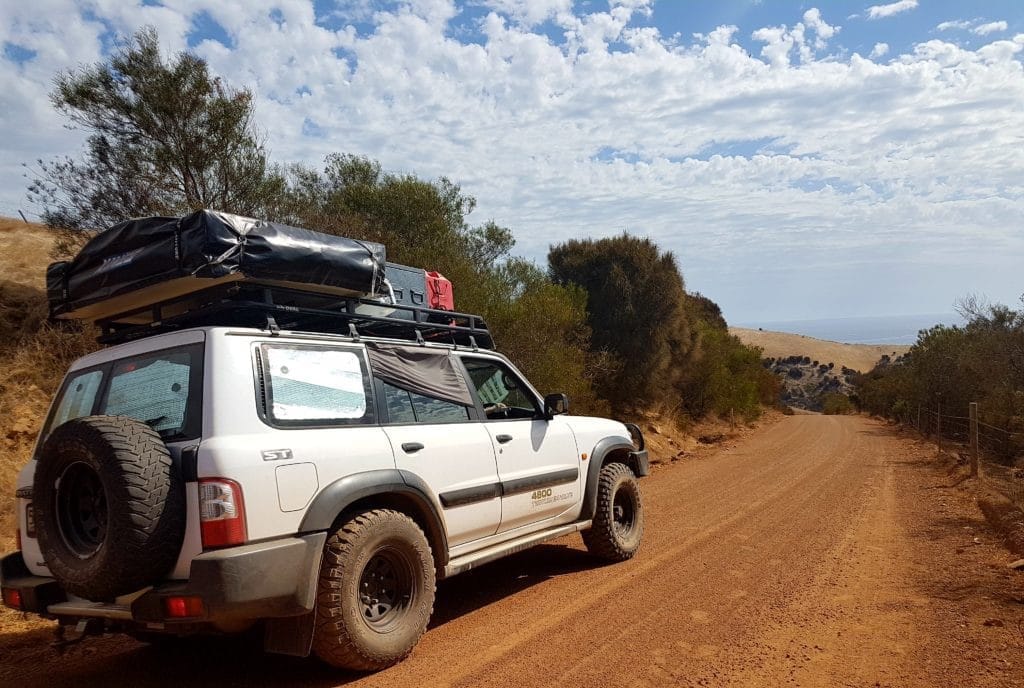
Buying a vehicle as a backpacker in Australia is one of the most consequential decisions of your working holiday — and for many travelers completing regional farm work, it is genuinely a lifeline rather than a luxury. Australia’s vast terrain, ranging from major cities to remote agricultural hubs, makes a reliable set of wheels essential for anyone planning to chase the harvest trail across multiple states. This comprehensive guide covers everything: the types of vehicles suited to different travel and work plans, where to buy safely, how to assess mechanical reliability before handing over your cash, the legal realities of state-by-state registration, ongoing maintenance, and how to responsibly sell your vehicle before you fly home.
The Reality of Regional Work and the Open Road
If you are completing your 88 days of specified regional work to secure your visa extension, buying a vehicle in Australia is not just convenient — it is often the only way the placement is logistically possible. Imagine waking at 4:30 AM to reach the citrus orchards of Mildura, Victoria, or commuting to a banana farm in the sweltering humidity of Tully, Queensland. You will face early starts, piece-rate wages where every minute counts, and employers spread across vast agricultural regions where public transport simply does not exist.
In these gritty, boots-on-the-ground scenarios, a dependable vehicle gets you to the farm on time, allows you to transport your harvest clothing and gear, and gives you the freedom to chase the harvest seasons across state lines as crops come into and out of season. For portable cooking gear, bedding, and essentials to stock your vehicle, check the Backpack Australia Resources Page.

Types of Vehicles Suitable for Backpackers in Australia
Choosing the right vehicle depends entirely on your travel style, budget, and regional work plans.
Campervans
The classic backpacker dream — a home on wheels equipped with basic sleeping and cooking facilities. Campervans save thousands in accommodation costs across a long East Coast or full-circuit trip, particularly when combined with free camping spots. For portable stoves and bedding equipment to fully fit out your van, the Backpack Australia Resources Page has curated recommendations.
Station Wagons
A significantly more affordable option offering ample storage and sleeping space. Throwing a mattress in the back of a classic Ford Falcon or Holden Commodore wagon remains one of the most budget-friendly and surprisingly comfortable choices on the backpacker circuit.
4WDs
Essential for off-road adventures across rugged terrain — the outback, coastal sand tracks, or genuine off-grid exploration. If driving the beaches of K’gari (Fraser Island) or crossing the Gibb River Road is on your list, a properly equipped 4×4 is mandatory, not optional.
Fuel-Efficient Smaller Cars
Australia’s vast distances make fuel efficiency a genuine financial consideration for backpackers buying a vehicle. Smaller, economical cars offer real cost savings across thousands of kilometres, lower environmental impact, and significantly easier handling in both crowded cities and narrow regional roads.

Where to Buy a Vehicle in Australia
- Dealerships — offer new and used vehicles with statutory warranties depending on the state, at a higher price point. Best suited to travelers prioritising peace of mind over upfront savings.
- Private sales — platforms like Gumtree, eBay, and local Facebook groups host the vast majority of backpacker vehicle transactions. Better prices, but significantly more due diligence required.
- Backpacker car markets — venues like Sydney’s Kings Cross Car Market cater specifically to working holiday makers, often including buyback guarantees. These markets work well because sellers are fellow travelers genuinely motivated to sell before their own flight home.
Assessing Vehicle Reliability Before You Buy
Do not hand over your hard-earned cash on a whim. Our team at Backpack Australia gives this exact practical advice to every traveler preparing for regional jobs, because a broken-down vehicle means missed shifts and lost wages — and on piece rates, that compounds fast.
- Mechanical inspection — always have the vehicle checked by a licensed mechanic before purchase. A pre-purchase inspection costs a small amount upfront and can save you thousands in hidden engine or transmission repairs.
- Service history — request the logbook and verify regular maintenance. A vehicle serviced every 10,000 kilometres is a significantly safer bet than one with gaps or missing records.
- Model reputation research — a quick search for known issues with the specific make and model can help you dodge well-documented problems like notorious transmission failures in certain vehicles.

Legal Considerations: Registration (“Rego”) for Backpackers Buying a Vehicle in Australia
Understanding the legal realities of vehicle ownership in Australia protects you from significant fines and complications down the road.
Registration Rules Vary by State
Every Australian state has different registration requirements, and this catches out a significant number of unprepared backpackers. Transferring a Western Australian (WA) registered vehicle is notoriously straightforward and can be done online. A New South Wales (NSW) registered vehicle requires an annual mechanical safety check (a “Pink Slip”) before registration renewal. Research the specific requirements on the relevant state transport department website before committing to a purchase, as registration transfer costs and processes differ significantly between states.
Insurance
At minimum, secure third-party property insurance to cover damage to other vehicles in an at-fault accident. This is distinct from Compulsory Third Party (CTP) insurance, which covers personal injury only and is typically bundled into your registration cost. Without proper third-party property coverage, a single at-fault accident involving an expensive vehicle could financially devastate your entire working holiday.
Maintaining Your Vehicle for Reliability and Resale Value
Regional farming hubs subject vehicles to dust, extreme heat, and corrugated dirt roads that test even well-built cars to their limits. Consistent maintenance keeps your vehicle reliable and protects its eventual resale value.
- Regular oil changes — fresh oil maintains lubrication and cooling, prevents premature engine wear, and improves fuel economy across long-distance regional driving.
- Tyres and brakes — check tread depth and brake pad condition regularly, and always verify tyre pressure before long highway stretches. For reliable tyre gauges and road-trip safety kits, browse the Backpack Australia Resources Page.
- Fluid levels — coolant, brake fluid, and transmission fluid all require periodic checks, particularly before long regional drives in extreme heat.
- General cleanliness — keeping the vehicle clean inside and out maintains both your driving experience and its resale value when you eventually sell.
Selling or Transferring Your Vehicle Before Leaving Australia
As your working holiday winds down, handling your vehicle’s exit responsibly matters — both legally and environmentally.
Why Abandoning Your Vehicle Is a Genuinely Bad Idea
- Legal consequences — abandoning a registered vehicle is illegal in Australia and can result in fines that follow you even after you have left the country.
- Environmental impact — a dumped vehicle can leak hazardous fluids, harming local wildlife and regional ecosystems.
- Social responsibility — as a visitor to Australia, leaving the environment as you found it is a basic expectation extended to every traveler.
Responsible Disposal Options
- Sell it — list on Gumtree, Facebook Marketplace, or backpacker car markets, and time your sale to align with seasonal tourist influxes (selling in Sydney right before peak summer arrivals consistently achieves better prices).
- Transfer ownership directly — if a quick sale isn’t realistic, transferring directly to another backpacker or a local buyer interested in a low-cost vehicle is a straightforward alternative.
- Recycle — some organisations and wreckers accept end-of-life vehicles for parts and recycling, often providing modest compensation.

Frequently Asked Questions: Buying a Vehicle as a Backpacker in Australia
Do I need an Australian driver’s licence to buy a car?
No. You can purchase and register a vehicle using a valid overseas driver’s licence, provided it is in English or accompanied by an official International Driving Permit (IDP). You will also need proof of an Australian address — a hostel receipt is generally accepted — and standard identity documents.
How much should I budget for a reliable backpacker car?
Prices vary by region and condition, but as a general guide: $3,500 to $6,000 for a reliable station wagon, $6,000 to $12,000 for a converted campervan, and $8,000 or more for a mechanically sound 4WD. Always keep a $1,000 buffer for immediate repairs and registration transfer costs that arise in the first few weeks of ownership.
Is it safe to buy a car from another backpacker?
It can be, but diligence is essential. Backpackers often drive vehicles hard and skip routine servicing to save money during their own trip. Always insist on an independent mechanical inspection regardless of how trustworthy the seller seems, and confirm the registration is not about to expire shortly after your purchase.
Fast-Track Your 88 Days and Stop Wasting Time
You have your vehicle and you are ready to hit the road — but the hardest part of buying a vehicle as a backpacker in Australia for regional work is making sure it actually gets used productively. It is genuinely foolhardy to waste weeks scrolling job boards or knocking on farm doors independently while burning through savings in expensive city hostels. The opportunity cost is massive — every day spent searching is a day of potential wages lost while your visa clock ticks down.
Backpack Australia has direct contact with over 4,000 eligible employers and connects with virtually all the working hostels across Australia. We bypass the scammers and the dead ends, allowing you to knock out your 88 days fast, start earning sooner, and finish your visa extension while your new wheels actually earn their keep.
Sign Up for the Job Help Programme Newsletter to get immediate access to our exclusive employer and hostel networks today.
Conclusion
Buying a vehicle as a backpacker in Australia is a genuine rite of passage for many working holiday makers — the ultimate freedom to chase the sun, follow the harvest trails, and wake up to a new view every morning. By understanding the market, completing thorough mechanical checks, respecting the legal realities of state-by-state registration, and maintaining your vehicle properly throughout your trip, you ensure the road trip is memorable for all the right reasons. Secure your wheels, lock in your regional work, and get ready for the adventure of a lifetime.