
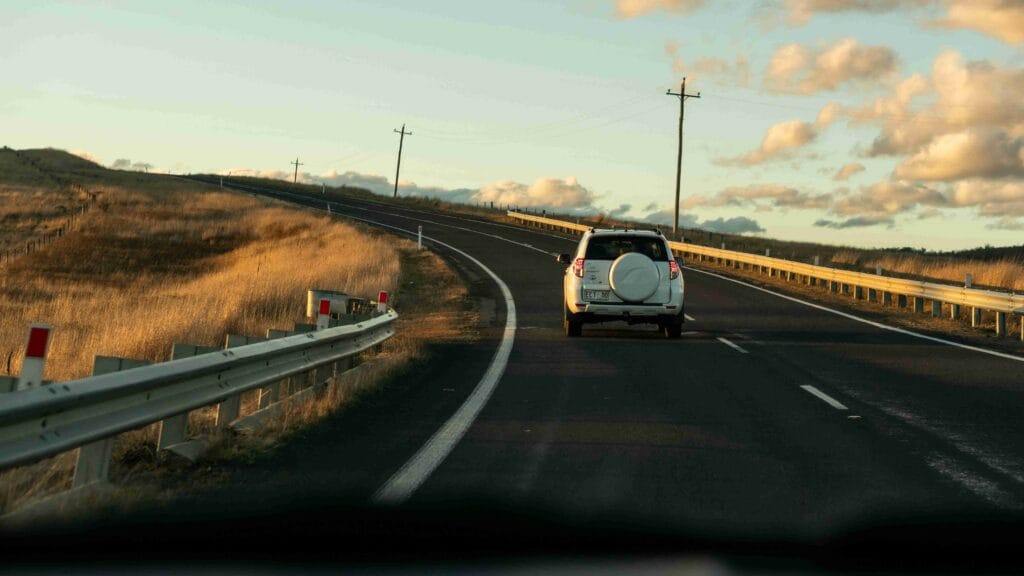
Driving in Australia as a backpacker is one of the most exhilarating parts of the working holiday experience — windows down, the outback stretching out before you, the freedom of the open road. But it is also where a single poor decision can literally end your Australian dream overnight. Australia enforces some of the world’s strictest DUI laws, and for international travelers on a Working Holiday Visa, the consequences go far beyond a fine and demerit points — they extend to visa cancellation, deportation, and permanent bans on returning to the country. Whether you are road-tripping the East Coast or commuting to a regional farm placement before sunrise, understanding the road rules, the real-world DUI risks unique to working holiday makers, and the smart transport alternatives that protect your visa is absolutely essential.
The Gritty Reality of Regional Roads and Australian DUI Laws
Driving is deeply embedded in regional Australian life — and if you are completing your 88 days of specified work, it is largely unavoidable. Agricultural hubs like Tully, Mildura, Bundaberg, and Kununurra have virtually no public transport. You will be driving on dark, rural roads before dawn, often after late nights at the working hostel. Backpackers driving in Australia who do not fully understand the local DUI laws are in genuine danger of losing their visa, their income, and their working holiday in a single morning checkpoint.
Blood Alcohol Concentration Limits
Australian BAC limits are among the strictest of any country in the world, and they are enforced without exception:
- 0.05% BAC — the legal limit for most fully licensed drivers across all Australian states and territories.
- 0.00% BAC — the legal requirement for drivers on provisional or learner licences. Zero alcohol, zero tolerance.
- International licence holders are bound by exactly the same limits as Australian citizens. “I didn’t know” is not a defence.
Random Breath Tests (RBTs): You Will Encounter Them
RBT checkpoints are a standard feature of Australian road policing — set up on major city highways, outside hostel strips, and on remote dirt roads leading out of farming towns at 5:00 AM. You cannot predict them, and you cannot avoid them by taking back roads. The culture of enforcement in Australia is fundamentally different from many countries working holiday makers come from. Assume you will be tested.
The “Morning After” DUI Trap
The most consistently dangerous scenario for backpackers driving in Australia on farm work placements is the morning-after DUI. You finish a grinding 10-hour shift, head back to the hostel, share a few beers with fellow travelers, and wake up at 4:30 AM for the next shift feeling fine. Your BAC may not be. Alcohol metabolises at roughly 0.015% BAC per hour — meaning a big night can leave you over the legal limit well into the following morning, even if you feel completely sober. An RBT checkpoint at 5:00 AM carries exactly the same penalties as one outside a nightclub at midnight. Plan accordingly.
For long regional drives and early farm commutes, having the right vehicle provisions and safety equipment is critical. For a comprehensive checklist of reliable gear, survival kits, and vehicle accessories suited to Australian regional travel, visit the Backpack Australia Resources Page.
How a DUI Destroys Your Working Holiday: The Full Consequences
For international travelers on a Working Holiday Visa, the consequences of a DUI in Australia are exponentially more severe than for local residents. Understanding this before you get behind the wheel after drinking is non-negotiable.
| Consequence | The Reality for Backpackers |
|---|---|
| Legal and financial penalties | Massive fines, demerit points, licence cancellation, and potential imprisonment depending on the severity of the offence and the state in which it occurs. |
| Visa cancellation | Under Section 501 of the Migration Act, the Australian Government can cancel your visa on character grounds following a conviction — particularly for high-range DUI offences or incidents involving harm to others. |
| Deportation and future bans | A visa cancellation under character grounds typically results in deportation and a multi-year or permanent ban on re-entering Australia. |
| Loss of employment and wages | Lose your licence and you lose your ability to commute to the farm. Lose your visa and you lose the placement entirely — along with every dollar of potential wages remaining. |
| Long-term travel restrictions | A criminal conviction for DUI appears on international background checks, affecting future visa applications and employment opportunities globally. |
Smart Transportation: Enjoying Your Working Holiday Without the Risk
You do not need to avoid social life to protect your visa as a backpacker driving in Australia. Australians love a good time, and the backpacker social scene is genuinely one of the best parts of the working holiday experience. The key is planning your transportation ahead of time so the option to drink and drive never becomes a temptation. Our team at Backpack Australia consistently gives this practical advice to travelers preparing for regional placements.
- Use public transport in cities — Australia’s urban bus, train, and ferry networks are reliable, affordable, and completely eliminate the driving question after a night out in any major city.
- Rideshare apps — Uber and Ola operate across Australian cities and many larger regional towns. Split the fare with hostel mates to keep the cost minimal, and make the decision before you go out rather than after.
- Organised group tours — for wine region day trips or pub crawls, join tours where all transport is included. You enjoy the experience without any driving responsibility.
- Carpool rotations on the farm — set up a strict weekly roster where the designated driver stays completely sober, and the passengers cover their fuel cost for the week. This is common practice in working hostels and eliminates the morning-after risk for everyone in the group.
- Personal breathalyser — if you are ever genuinely uncertain about your BAC the morning after, a personal breathalyser from a local pharmacy is a small investment that removes the guesswork. If it shows anything, do not drive. Call out of work or arrange a different ride.
Frequently Asked Questions: Driving in Australia as a Backpacker
Can I drive in Australia using my international licence?
Yes, provided your licence is valid and accompanied by an official English translation if it is not already in English. You are bound by exactly the same Australian BAC limits and road laws as local citizens — your international licence provides no exemptions or leniency under Australian law.
What should I do if I am unsure whether I am under the limit the next morning?
Do not drive. The decision is that simple. Use a personal breathalyser if you have one, and if you have any uncertainty about the result, find another way to work. The cost of calling out sick for one day is infinitely smaller than the cost of a DUI conviction on a Working Holiday Visa.
Does a DUI actually mean immediate deportation?
Not automatically for all offences — but under Section 501 of the Migration Act, the Australian Government has clear powers to cancel visas on character grounds following a DUI conviction, particularly for high-range offences or incidents involving injury to others. The risk is real, well-documented, and not worth taking. According to the Australian Department of Home Affairs character requirement guidelines, a criminal conviction can trigger a mandatory visa cancellation under certain conditions — conditions that a serious DUI offence can meet.
Secure Your 88 Days and Protect What You Have Built
Every smart decision you make on the road as a backpacker driving in Australia protects your visa, your income, and the adventure you came here for. The same applies to finding your regional work through trusted networks rather than risking it on unverified job boards and dodgy contractors.
Backpack Australia has direct contact with over 4,000 eligible regional employers and connects with virtually all legitimate working hostels across the country. We help you lock in reliable, visa-eligible work fast — so you knock out your 88 days, start earning immediately, and get back to experiencing everything Australia has to offer, with your visa and your record intact.
Sign Up for the Job Help Programme Newsletter to get immediate access to our exclusive employer and hostel networks today.
Conclusion
The freedom of driving in Australia as a backpacker is one of the genuine highlights of the working holiday — and protecting that freedom means taking Australia’s DUI laws with complete seriousness. The laws here are strict, the enforcement is consistent, and the consequences for international travelers are severe in ways that most people do not fully appreciate until it is too late. Plan your transport before you go out, never guess at your BAC the morning before a farm commute, and use the smart alternatives available to you. Protect your visa, protect your income, and make sure the memories you take home from Australia are the ones you actually want to remember.