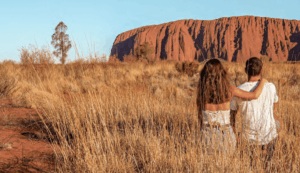

Solo backpacking in Australia is one of the most rewarding things you will ever do — and one of the most demanding. Picture yourself navigating the rugged beauty of the outback, meeting fellow travelers in bustling city hostels, and building a life from scratch in a country you have never been to before, with only your own resources to rely on. When you are your only safety net, getting the logistics right before you land is not optional — it is the foundation everything else is built on. This guide covers everything a solo working holiday maker needs: pre-departure preparation, how to navigate transport and accommodation alone, the gritty reality of regional farm work, personal safety in remote areas, and how to fast-track your 88 days without wasting weeks going it alone.
Preparing for Solo Backpacking in Australia: Logistics and Gear
The preparation phase for solo backpacking in Australia carries more weight than it does for group travel, because every gap in your planning falls to you alone to resolve — often in an unfamiliar environment, sometimes in a regional area hours from any support.
Visas and Documentation
Confirm you have the correct visa before you book anything. Most working holiday makers travel on a Subclass 417 or 462 Working Holiday Visa, which allows you to work for the same employer for up to six months and to complete the specified regional work required for a second or third-year extension. Keep physical photocopies of your passport, visa grant notice, and driver’s licence stored separately from your originals, and save high-quality digital scans to cloud storage accessible from any device.
Budgeting Realistically
Australia is expensive relative to most working holiday makers’ home countries, and solo travel removes the cost-sharing advantages that couples and travel groups enjoy. Build your budget around a daily expense target, a realistic accommodation cost by region, transport between placements, and a non-negotiable 20% emergency buffer. Aiming for $7,000 to $8,000 AUD on arrival gives you the financial runway to be selective about your first regional placement rather than accepting whatever is available out of desperation.
Packing Essentials
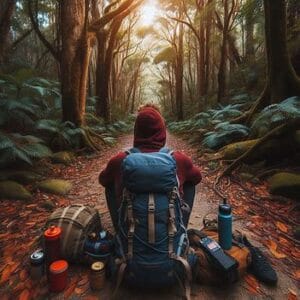
Pack light, but do not sacrifice the practical essentials. A well-fitted 55–65 litre internal-frame backpack, weather-appropriate layered clothing, a compact first aid kit, and proper sun protection are the non-negotiable foundations. For farm work placements, steel-capped boots, high-vis shirts, and a wide-brim hat are standard requirements. Find our field-tested recommendations on the Backpack Australia Resources Page.
Navigating Australia Alone: Transport and Accommodation
One of the significant advantages of solo backpacking in Australia is the freedom to move entirely on your own schedule — but that freedom requires a clear understanding of the transport and accommodation options available across a continent of this scale.
Getting Around
- Intercity buses — Greyhound Australia’s network covers major routes between cities and regional hubs, and is the most budget-friendly option for long distances without a vehicle.
- Domestic flights — Jetstar and Rex Regional offer competitive fares for longer routes, particularly between the east and west coasts. Book in advance and travel light to minimise baggage fees.
- Campervans and shared vehicles — renting or buying a campervan is the most flexible option for regional farm work, allowing you to move between placements without depending on public transport schedules. Use Rome2rio to plan routes and compare options before committing.

Accommodation
Hostels are the backbone of the solo backpacker accommodation experience in Australia — affordable, social, and one of the best environments for building the community connections that make solo travel genuinely enjoyable rather than isolating. For regional farm work, working hostels typically provide accommodation close to or with transport to your placement, which removes significant logistical complexity for solo travelers arriving in unfamiliar areas.
Connecting with Locals and Fellow Travelers
Australians are genuinely known for their friendliness and sociability. Engage actively with locals at community events, eat at communal tables in cafés and pubs, and participate in hostel-organised activities from day one. As a solo traveler, your openness to conversation is your most valuable social asset — and the connections you build in a working hostel during a shared farm placement are often among the deepest friendships of the entire trip.
The Gritty Reality of Regional Farm Work for Solo Backpackers
For most solo working holiday makers in Australia, completing 88 days of specified regional work is the central challenge — and the most financially and personally rewarding one. Understanding what you are walking into before you arrive at your first placement separates the travelers who thrive from those who struggle.
Regional agricultural work is rarely picking a few apples in the sunshine. You might find yourself battling suffocating humidity while hauling heavy banana bunches in Tully, Queensland, or facing freezing, pitch-black early mornings during the winter citrus harvest in Mildura, Victoria. Physical endurance, mental toughness, and the ability to pace yourself through long days on piece rates — where you are paid per bin or bucket rather than per hour — are the skills that determine how much you earn and how quickly you complete your 88 days. Our team at Backpack Australia helps travelers prepare for regional jobs every season, and the consistent message is the same: knowing what to expect is half the battle.
According to the Australian Department of Agriculture, the Harvest Trail remains the primary pathway for working holiday makers completing their specified regional work requirement — and accessing it through trusted networks rather than unverified sources dramatically reduces the risk of exploitation and non-compliant employers.

Regional Highlights Worth Combining with Your Work Placements
- The East Coast — vibrant cities, the Great Barrier Reef, world-class surf beaches, and the highest density of working hostel infrastructure in the country.
- The Red Centre — Uluru, the MacDonnell Ranges, and the stark, ancient landscape of the outback. Best visited between April and September when temperatures are manageable.
- Regional agricultural hubs — Bundaberg, Mildura, Cairns, Darwin, and Griffith all offer genuine immersion in a side of Australia that most tourists never see.
Personal Safety for Solo Backpackers in Australia
Australia’s vastness means that as a solo backpacker, you will frequently be far from immediate help — and preparedness is the only reliable safety net.
- Register with your embassy — most countries offer a traveler registration service that allows consular staff to contact you in a genuine emergency. Use it before you leave home.
- Stay in regular contact — establish a check-in routine with a trusted person back home. This does not need to be daily, but a regular pattern ensures that someone notices if something goes wrong.
- Know the emergency number — 000 in Australia for Police, Fire, and Ambulance. Save it in your phone and understand that in truly remote areas, you may need to use the Emergency+ app (which displays your GPS coordinates) to communicate your location effectively.
- Travel insurance covering manual labour — standard tourist policies frequently exclude agricultural work. Read your Product Disclosure Statement carefully and confirm your policy covers the specific work you plan to do before accepting any farm placement.

Frequently Asked Questions: Solo Backpacking in Australia
How do I manage my finances while traveling solo in Australia?
Track your daily spending from day one using a budgeting app like Trail Wallet. Maintain your 20% emergency buffer in a separate savings account with international ATM access and zero or low withdrawal fees. Never consolidate all your money into a single account or a single card — if it is lost or compromised, you need an immediate backup.
Is it easy to meet people traveling alone in Australia?
Yes — especially in hostel environments and on farm placements where the shared experience of difficult physical work builds genuine bonds quickly. Eating at communal tables, joining hostel-organised events, and being proactively open to conversation are the three habits that consistently transform solo travel from lonely into genuinely enriching.
What regional areas should a solo working holiday maker prioritise?
Start on the East Coast where transport infrastructure, hostel networks, and job opportunities are densest. From there, follow the harvest calendar into regional hubs like Bundaberg, Mildura, Cairns, and Darwin where your 88-day eligible work is most reliably available and where working hostel communities make solo arrival significantly less daunting.
Fast-Track Your 88 Days Without Going It Alone
Every day you spend sitting in an expensive city hostel searching for a regional placement independently is a day you are not earning. The opportunity cost of navigating the Australian farm work market alone as a solo traveler is enormous — and the risk of ending up with non-compliant, exploitative, or poorly managed employers through unverified channels is real and well-documented.
Backpack Australia has direct contact with over 4,000 eligible regional employers and connects with virtually all legitimate working hostels across the country. For solo backpackers in Australia, our network removes the isolation and risk of going it alone — putting you directly into placements where the employer is verified, the visa documentation is correct, and the working hostel community means you arrive with a built-in support network rather than starting from zero.
Sign Up for the Job Help Programme Newsletter to get immediate access to our exclusive employer and hostel networks today.
Conclusion
Solo backpacking in Australia is a profound journey — across one of the most extraordinary countries on earth and, inevitably, within yourself. With the right preparation, a realistic understanding of regional farm work realities, a clear safety plan, and trusted networks supporting your employment search, you set yourself up for an experience that is both challenging and genuinely life-changing. Pack smart, plan carefully, lean on the right support structures, and step confidently into the adventure. The continent is waiting.