The personal growth that comes from a working holiday in Australia is one of the most underestimated outcomes of the entire experience. Backpacking through Australia on a Working Holiday Visa is rarely just about ticking off breathtaking landscapes or partying in coastal cities. At its core, this journey is about uncovering new, resilient layers of yourself — layers you did not know were there until a 4:30 AM alarm dragged you out of a cold donga for a citrus shift, or until you successfully navigated your first regional town with nothing but a backpack and a vague lead on a farm job. Every single challenge on the Australian backpacker circuit — the physical, the financial, the social, and the emotional — is an opportunity for genuine and lasting transformation. This guide breaks down how that transformation happens and how to make the most of every stage of it.
Adaptability: The First Lesson of Personal Growth on a Working Holiday in Australia
Traveling through Australia’s drastically varying landscapes and extreme climates is a masterclass in adaptability. Whether you are adjusting to the bone-dry heat of the outback or navigating the chaos of a major city hostel on arrival day, you quickly learn to embrace abrupt change and face unexpected challenges without falling apart. These are not just travel skills — they are life skills that stay with you permanently.
When you step into the world of regional farm work, this adaptability is pushed to its absolute limit. Imagine the intense, suffocating humidity of banana picking in Tully, Queensland — hauling heavy bunches through muddy paddocks before most people have had their first coffee. Or waking up to freezing frost in Mildura, Victoria, for a citrus picking shift where your hands are numb before the sun clears the horizon. On top of the physical conditions, you are navigating piece rates — getting paid per bin or bucket rather than per hour — meaning your adaptability and physical technique directly dictate your weekly income. If you do not adapt quickly, you simply will not earn a living wage.

Actionable Tips for Adapting to Regional Work
- Acknowledge the physical toll — the first two weeks of any farm job are the hardest. Your body will ache deeply, but pushing through that initial period builds mental fortitude that carries forward into every other area of your life.
- Gear up correctly from day one — UV-protective clothing, steel-capped boots, and proper hydration equipment are not optional. Find our top-rated recommendations for outfitting yourself for farm work on the Backpack Australia Resources Page.
- Know your rights — adapting does not mean tolerating exploitation. Track your own hours and bins, cross-reference them with every payslip, and contact the Fair Work Ombudsman immediately if the numbers do not match.
Building Unshakeable Confidence Through Solo Travel and Regional Work
Backpacking solo across a continent as vast as Australia is daunting — until it is not. One of the most consistent outcomes of a working holiday is a deep, earned confidence that no classroom or office environment can replicate. Each logistical task that once seemed terrifying becomes second nature within weeks: navigating unfamiliar transport systems, negotiating living conditions at a working hostel, advocating for yourself with a farm manager, and striking up conversations with complete strangers from entirely different cultural backgrounds.
When you arrive in a dusty agricultural hub with nothing but your backpack and a vague job lead, you are forced to advocate for yourself in ways that are genuinely new. Our team at Backpack Australia sees this transformation happen every season — the traveler who arrives wide-eyed and overwhelmed in week one is often the most self-assured and resourceful person in the working hostel by week six. The initial anxiety is not a warning sign; it is the raw material that personal growth on a working holiday in Australia is built from.
The Financial Masterclass of the Backpacker Budget
Few environments teach financial discipline as effectively and rapidly as backpacking in Australia on a working holiday. Managing a tight, unpredictable budget — balancing the immediate pull of a pub night against saving for your East Coast road trip — develops habits of financial prioritisation that serve you for decades after you return home.
Living out of a 65-litre backpack also delivers a fast, practical education in minimalism. You discover very quickly what you actually need to be happy versus what you thought you needed, and the gap between those two things turns out to be enormous. Expensive clothes are useless on a tractor. The most valuable asset on the road is a well-funded emergency savings buffer and a reliable vehicle — and knowing that changes how you think about money permanently.
According to ASIC’s MoneySmart — Australia’s official financial guidance resource — building a consistent budgeting habit is the single most impactful financial behaviour any person can develop. The working holiday experience forces this habit on you in the most practical possible way.

Physical Resilience, Mental Wellbeing, and Lifelong Community
The physical activity inherent to an Australian working holiday — hauling bags across cities, hiking remote national parks, or doing eight hours of manual labour on a farm — dramatically improves your physical fitness in ways that structured gym programmes rarely achieve. The forced disconnection from constant digital stimulation and the deep immersion in raw natural environments does extraordinary things for your mental clarity and emotional wellbeing at the same time.
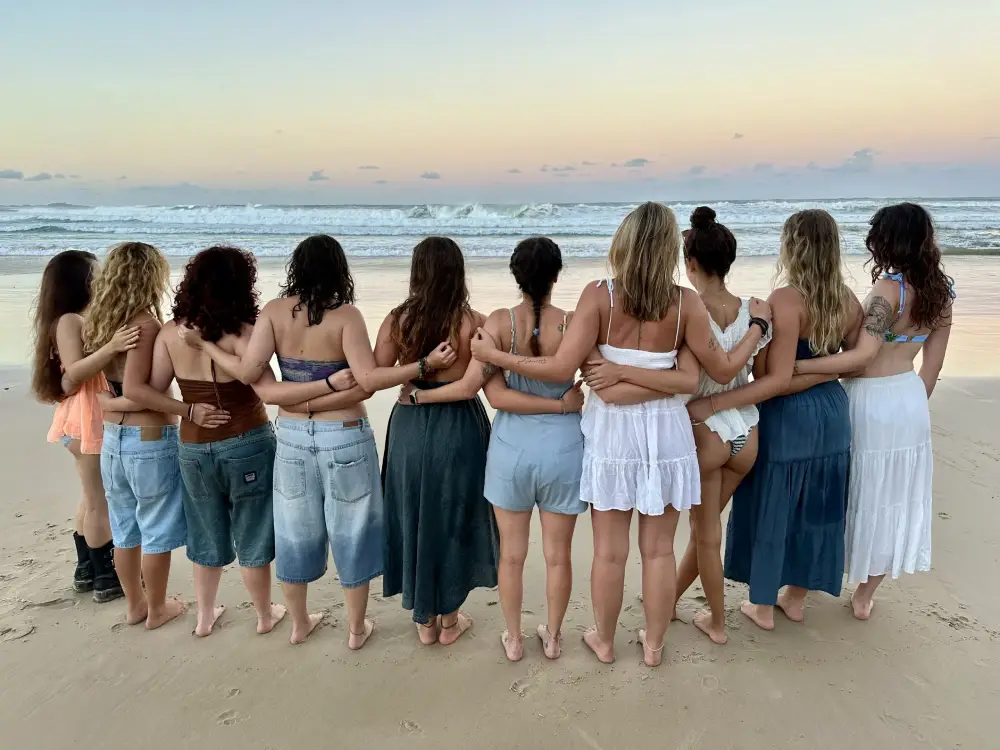
But perhaps the most lasting personal development outcome of a working holiday in Australia is the people. The backpacking community is defined by the connections forged between travelers facing the same challenges, making the same sacrifices, and sharing the same improbable experiences. Swapping job leads in a hostel kitchen, supporting a room mate through a rough week on the farm, or sharing a meal with someone from a completely different culture — these interactions create friendships that outlast the visa by decades, and a perspective on human connection that is genuinely difficult to develop any other way.
Frequently Asked Questions: Personal Growth and Working Holiday Realities
What is the best way to physically prepare for regional farm work?
Treat it like athletic pre-season training. Start daily stretching and basic strength work — focusing on your back, core, and legs — at least a month before your placement begins. Once you arrive, prioritise sleep and hydration over hostel social events during your first two weeks. Your body is adapting to a new physical load, and that process deserves respect.
How much money should I realistically save before arriving in Australia?
While the Working Holiday Visa requires a minimum of $5,000 AUD, aiming for $7,000 to $8,000 AUD is a significantly safer position. That buffer means you are not forced into accepting the first available farm job out of desperation — giving you the agency to choose legitimate, well-paying employers rather than whoever will take you that week.
Can introverts genuinely thrive on a solo working holiday in Australia?
Absolutely. While hostels are inherently social, the independence of backpacking means you control your own schedule more than almost any other lifestyle allows. The confidence and self-advocacy skills built on the road are particularly transformative for introverts precisely because the environment requires you to practise them daily — in ways that feel natural rather than performative.

The Ultimate Hack for Your 88 Days: Build on Your Growth, Not Against It
While the personal growth from a working holiday in Australia is genuinely priceless, your time and money are not. One of the most expensive lessons backpackers learn is the opportunity cost of navigating the regional job market entirely alone. Every week spent unemployed in an expensive city hostel is money draining from your account and potential wages permanently lost — and that financial stress actively undermines every other form of growth you are working toward.
Backpack Australia has direct contact with over 4,000 eligible regional employers and connects with virtually all the reputable working hostels across the country. By joining our network, you knock out your 88 days of eligible work fast, start earning immediately, and secure your visa extensions without the last-minute panic — so you can focus your energy on the adventure, the community, and the transformation that you actually came here for.
Sign Up for the Job Help Programme Newsletter to get immediate access to our exclusive employer and hostel networks today.

Conclusion
Personal growth on a working holiday in Australia is not a side effect of the experience — it is the experience. Every gruelling early morning shift, every dollar saved and stretched, every new friendship forged in a crowded hostel kitchen, and every moment of self-advocacy in an unfamiliar environment is building something lasting. By embracing the gritty realities of regional work, gearing up properly, leaning on trusted networks, and staying open to what the road is teaching you, your Australian working holiday becomes the most empowering and defining chapter of your life so far. The adventure is waiting — go and earn it.