
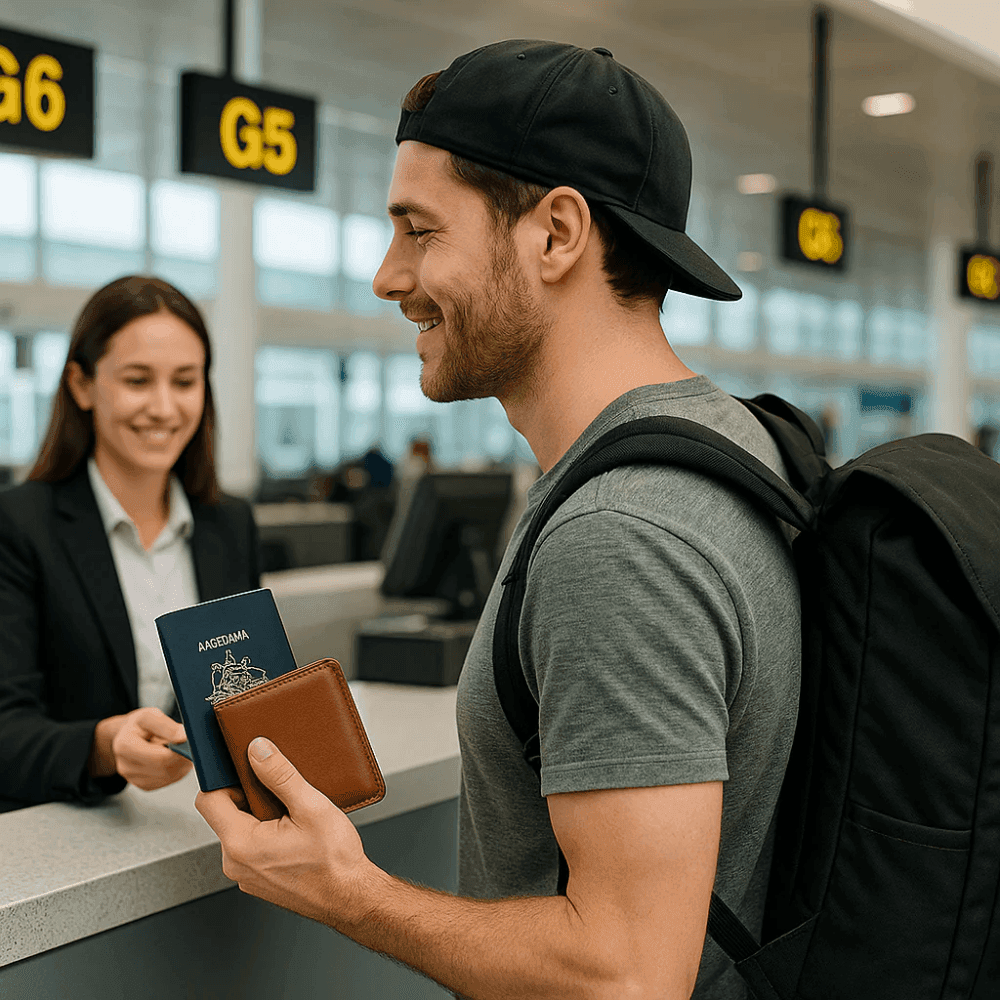
Mastering document safety as a backpacker in Australia could be the difference between the adventure of a lifetime and a genuine crisis. Imagine losing your passport or having your ID stolen halfway through your 88 days of regional farm work — with no employer induction signed, no visa extension locked in, and no flight home possible. It is a scenario that turns an exciting working holiday into a distressing ordeal, and it happens far more often than most travelers expect. This comprehensive guide covers everything you need to know about protecting your travel documents, visas, and identification across every stage of your Australian adventure — from the chaos of city hostels to the harsh, unpredictable conditions of regional farm work.
Why Document Safety Is Critical for Backpackers in Australia
The reality of life on a Working Holiday Visa is that you are not just lounging on the beach. You are eventually going to get your hands dirty — and when you do, your documents face real threats. Whether you are battling 90% humidity while picking bananas in Tully, Queensland, or braving freezing early mornings on piece rates during citrus season in Mildura, Victoria, you are dealing with harsh, unpredictable environments that are genuinely dangerous for unprotected paperwork.
In regional agricultural hubs, every legitimate employer requires valid, legible ID at your induction before you work a single hour. Showing up without it costs you the job before you even start. Our team at Backpack Australia sees this mistake regularly — and it is entirely preventable with the right preparation.
What Is Actually at Stake
If you think a lost ID is a minor inconvenience, consider the full consequences for your working holiday:
- Travel documents and visas — your legal gateway to working and moving freely across regions. Losing them can mean being stranded or facing serious legal complications.
- Identification documents — essential for law enforcement encounters, medical emergencies, and every single legitimate farm employer induction you will need to complete.
- Photos and references — beyond being your memories, these may be required for insurance claims or specific visa applications.

How Backpackers Lose Their Documents in Australia
Understanding the common threats is the first step toward effective document protection on a working holiday in Australia.
- Theft — popular tourist destinations, crowded hostel bars, and busy city markets are prime targets for pickpockets. A wallet can vanish in seconds in the wrong environment.
- Damage — beach visits, tropical downpours, accidental spills, and the pervasive dust of the Australian outback are all genuinely destructive to paper visas and passports that are not properly protected.
- Misplacement — moving between regional working hostels every few weeks dramatically increases the odds of leaving something behind in a locker or drawer. Chaotic travel schedules and frequent accommodation changes are the most underestimated threat of all.
Actionable Strategies for Document Safety in Australia
Create Robust Digital Backups
Create high-quality digital copies of every essential document: passport, visa grant notice, Working Holiday Visa approval, bank details, insurance policy, and emergency contacts. Store them in at least two secure cloud services — Google Drive and Dropbox are both reliable options that provide easy access from anywhere with signal.
Pro tip: Use the native scanning app on your smartphone rather than just taking dark photos. Scan to high-quality PDF so that every detail — including visa numbers and expiry dates — is clearly legible if you need to present them in an emergency.
According to Smartraveller — the Australian Government’s official travel advisory service — keeping a digital copy of your passport stored separately from the original is one of the single most effective steps any traveler can take before departure.
Invest in Physical Document Protection
A durable, water-resistant document holder or travel wallet is a non-negotiable piece of kit for any backpacker in Australia. Look for options with RFID-blocking materials to protect against unauthorised electronic scans. When outfitting yourself for farm work or extended outback travel, find our recommended heavy-duty gear on the Backpack Australia Resources Page.
Stay Organised with a System
Designate specific compartments in your backpack for different document types and never deviate from the system. Keep your daily-use ID — such as a driver’s licence or a government-issued card — entirely separate from your passport. Your passport should never leave its secure location unless absolutely required.
Best Practices for Document Management on the Road
Build in Routine Checks
Make reviewing your document holder part of your daily routine — particularly after every accommodation move. Run through a mental checklist each time you pack up: passport, visa documents, bank card, insurance details, and emergency contact list. Missing items are always easiest to recover before you have driven three hours down a dirt road to the next farm.
Minimise Exposure Time
Keep your documents exposed for the absolute minimum time necessary. Return them to their secure location immediately after use. Never take your passport to the orchard, the packing shed, or the paddock. Provide your employer with the necessary identification details during your office induction — after that, your passport stays locked away.
Keep Copies Separate from Originals
Store a physical photocopy of your critical documents in a completely separate location from your originals — ideally in a different bag. Combined with your cloud backups, this three-point system (original, physical copy, digital copy) gives you a reliable fallback for any emergency scenario.
The Emergency Protocol: What to Do When Things Go Wrong
Even with thorough preparation, emergencies happen. If you find yourself facing lost or stolen documents during your working holiday, take these steps immediately:
- File a police report — report any lost or stolen items to local police immediately. You will need the official report number for insurance claims and embassy appointments, so do not delay this step.
- Contact your embassy — keep the contact details and physical address of your home country’s embassy stored in your phone and written down in a backup location. They are your primary resource for emergency passport replacement.
- Access your digital backups — your cloud-stored copies will be essential for facilitating fast document replacement and proving your identity during the process.
Frequently Asked Questions: Document Safety for Backpackers in Australia
Should I carry my passport while doing farm work?
Absolutely not. Regional agricultural work is sweaty, dirty, and often wet. Your passport will be ruined within days if exposed to those conditions. Provide your employer with the necessary ID details during your office induction and then lock your physical passport securely in a hostel locker or buried deep in your locked luggage for the duration of your placement.
How do I make sure I do not accidentally breach my visa conditions?
Familiarise yourself thoroughly with the entry requirements and restrictions of your specific Australian visa subclass — 417 or 462. Keep your digital and physical copies updated whenever you acquire new documents or change your travel itinerary. Track your eligible regional work days meticulously from day one, not retrospectively when you are trying to prove 88 days to the Department of Home Affairs.
What are the biggest benefits of staying this organised?
Two clear outcomes: enhanced security, because organised documents are far less likely to go missing during the chaos of regular hostel moves; and genuine peace of mind, because knowing your paperwork is safe lets you focus entirely on your work, your visa, and your adventure without constant background anxiety.

Fast-Track Your 88 Days While Keeping Your Documents Safe
Strong document safety habits as a backpacker in Australia keep your legal status secure — but the other half of the equation is finding reliable, eligible regional work without wasting weeks going it alone. Every day spent sitting in an expensive city hostel endlessly refreshing job boards is money draining from your account and potential wages you will never recover.
Backpack Australia has direct contact with over 4,000 eligible employers and connects with virtually all the working hostels across the country. We connect you directly to the agricultural hubs and hospitality venues that need workers now — no scams, no shady contractors, no wasted time. Joining our system is far easier and quicker, allowing you to knock out your 88 days fast, secure your visa extension without last-minute panic, and get back to experiencing everything this extraordinary country has to offer.
Sign Up for the Job Help Programme Newsletter to get immediate access to our exclusive employer and hostel networks today.
Conclusion
Taking document safety seriously as a backpacker in Australia is not paranoia — it is one of the smartest investments you can make in your working holiday. By creating robust digital backups, protecting your originals with quality gear, building daily organisational habits, and knowing exactly what to do if things go wrong, you eliminate one of the most preventable sources of stress on the entire backpacker circuit. Pack smart, travel smart, and keep your paperwork locked down. Your Australian adventure is waiting — make sure nothing stops you from seeing it through.