Understanding hostel dorm etiquette in Australia is one of the most underrated skills you can develop before your working holiday begins. Dormitory life is a rite of passage — a place where lifelong friendships are forged over shared kitchen struggles and cheap goon — but it is also a communal environment where one inconsiderate person can ruin the sleep, mood, and productivity of an entire room. Whether you are hitting the golden coastlines, chasing the East Coast backpacker trail, or heading inland to knock out your 88 days of regional work, mastering the unwritten rules of shared living will make every part of your Australian adventure significantly smoother. This comprehensive guide breaks down everything you need to know: the foundation rules, the realities of working hostels, security essentials, and how to handle the inevitable conflicts along the way.
The Foundation Rules of Hostel Dorm Etiquette in Australia
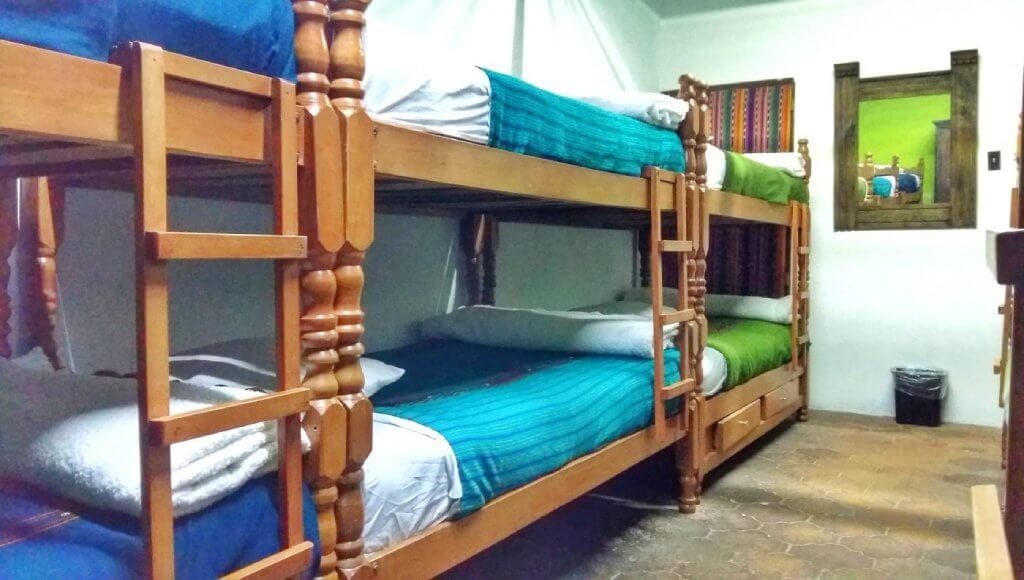
Living in a dorm room while backpacking through Australia offers a genuine opportunity to connect with travelers from all over the world. But it requires a solid understanding of shared space etiquette from day one. These are the non-negotiable foundation rules every backpacker in Australia needs to live by.

Respect Personal Space and Belongings
In a shared dorm, personal space is extremely limited. Always ask before using someone else’s belongings, and keep your own items neatly stored to avoid encroaching on others. Personal boundaries are the foundation of a harmonious living environment — especially in a room where you might be sleeping six inches from a stranger for weeks on end.
Noise Control: Be Mindful at All Hours
Respect quiet hours without exception. If you are returning late or leaving early for a farm shift, move quietly. Never talk on the phone, watch videos without headphones, or hold loud conversations in the dorm. In a working hostel, the person in the bunk above you may have a 4:30 AM alarm — their rest is directly tied to their daily income.
Cleanliness Is Non-Negotiable
A clean dorm is a happy dorm. Simple acts like wiping down surfaces, taking out the rubbish regularly, and keeping the bathroom tidy make a significant difference across an entire room of people. Do not wait for someone else to do it — take the initiative.
Keep the Floor Space Clear
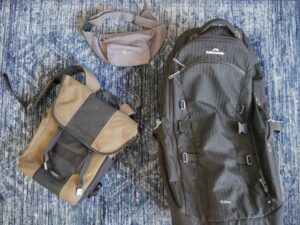
Tripping over someone’s luggage in the middle of the night is both dangerous and deeply annoying. Keep walkways and communal areas free of obstacles at all times. Having a quality backpack that compresses efficiently makes this significantly easier — browse top-tier travel bags and packing cubes on the Backpack Australia Resources Page.
Know and Follow Each Hostel’s Rules
Every hostel has its own set of rules covering noise, visitors, communal area usage, and more. These rules exist because of real past incidents. Familiarise yourself with them on check-in and follow them consistently — not just when staff are watching.
Surviving the Working Hostel: Regional Realities and Dorm Etiquette
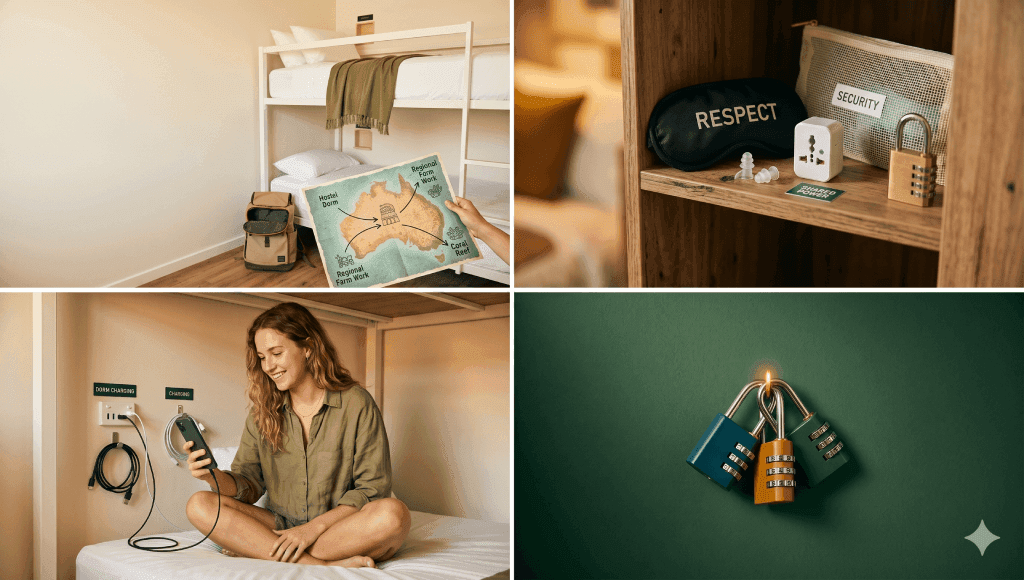
Hostel dorm life in Australia changes completely when you transition from a city party hostel to a regional working hostel. This is where the boots-on-the-ground reality of farm work kicks in — and where poor dorm etiquette stops being merely annoying and starts costing people real money.
When you are waking up at 4:30 AM to pick bananas in the suffocating humidity of Tully, Queensland, or spending eight hours hauling heavy bags of citrus on a piece-rate wage in Mildura, Victoria, your tolerance for bad dorm behaviour drops to absolute zero. On piece rates, every hour of lost sleep is money you will not earn in the field the next morning.
Our team at Backpack Australia works directly with travelers preparing for regional jobs, and we know firsthand that getting a solid night’s sleep in a working hostel is not a luxury — it is a financial necessity. Acknowledge and actively respect the varying shift schedules of your dorm mates. Use a personal reading light rather than the overhead light, keep your alarm volumes low, and pack your bag for an early departure the night before rather than rustling around at 4:00 AM.
According to Hostelworld, noise and lack of consideration during sleeping hours are consistently the top complaints from hostel guests globally — and in working hostels where shifts start before dawn, this issue is amplified significantly.
Security First: Protecting Your Gear in Shared Dorms
Security is a critical part of backpacker dorm living in Australia that too many travelers overlook until something goes missing. The vast majority of hostel guests are honest and respectful — but in a room that turns over dozens of strangers every week, complacency is a risk.
- Always use the secure lockers provided by the hostel for valuables: passport, bank cards, laptop, and cash.
- Travel with a robust, TSA-approved padlock at all times. For reliable security gear recommendations suited to Australian hostel life, check the Backpack Australia Resources Page.
- Never leave your passport or wallet visible on your bed or in an open bag.
- Label all food in the communal fridge clearly with your name and check-out date — unlabelled food is universally considered fair game and will disappear.
- Keep non-perishables in your assigned dry-food locker or in a sealed container under your bed.
Maximising Dormitory Life: Building Community
Beyond simply following the rules of dorm etiquette in Australian hostels, there is a genuine opportunity to build community and make the experience genuinely memorable.
Engage with Your Dorm Mates
Dorm life is far more enjoyable when you actively connect with the people around you. Participate in hostel-organised events, join casual hangouts in the common room, and be open to conversations with people from completely different countries and backgrounds. Some of the best farm work leads and travel tips come directly from a fellow backpacker you met in a six-bed dorm at 9:00 PM.
Join Social Events
Many hostels host potlucks, guided tours, game nights, and community barbecues. Getting involved breaks the ice fast and builds a genuine sense of community among travelers from diverse backgrounds — often the foundation for long-term travel friendships.
Navigating Common Dormitory Challenges
Living closely with strangers will inevitably produce friction. Here is how to handle the most common challenges without making things worse.
Dealing with Conflicts
Approach any conflict with a mindset focused entirely on resolution rather than winning. Raise issues politely and directly the next day — never in the heat of the moment at 2:00 AM. If a reasonable conversation does not resolve things, involve hostel management calmly and factually.
Maintaining Privacy in a Shared Space
Privacy is scarce in a shared dorm, but it is possible to carve out moments of genuine solitude. Use your bunk curtain if available, coordinate quiet times with considerate room mates, and do not be afraid to step outside to a common area or garden when you need space to decompress after a long farm shift.
Keeping Noise Levels Low
Always use headphones for music and videos. Keep phone calls brief and quiet inside the dorm, and if a call needs to run long, take it outside or to a designated quiet area. This single habit of consideration keeps everyone’s experience positive — especially during the peak stress of harvest season.
Frequently Asked Questions: Hostel Dorm Etiquette in Australia
What do I do if someone is constantly keeping me awake in a working hostel?
Address it politely but firmly the following day — never in the middle of the night when frustrations are running high. Most of the time, travelers genuinely do not realise how loud they are. If the behaviour continues after a direct conversation, speak to hostel management and request a room change if necessary.
Is my food safe in the communal fridge?
Food theft — accidental or intentional — is a classic hostel grievance. Always store food in a sturdy, clearly labelled bag with your name and check-out date. Keep non-perishables in your assigned dry-food locker or in a sealed container under your bed for additional security.
How do I handle sick roommates in a hostel dorm?
When living in close quarters, illness spreads fast. Maintain strict personal hygiene, keep communal bathrooms tidy, and take immune-boosting vitamins proactively. If a roommate is severely unwell, speak to management about temporary isolation options — particularly important if you have a farm work contract starting in the next few days.
Fast-Track Your 88 Days: Stop Wasting Time in the Wrong Hostel
Mastering hostel dorm etiquette in Australia is only step one. The biggest hurdle working holiday makers face is not snoring room mates — it is the expensive, agonising search for reliable regional work. Far too many backpackers waste weeks sitting around in city hostels, dropping resumes into the void and draining savings they cannot afford to lose. The opportunity cost is enormous.
Backpack Australia has direct contact with over 4,000 eligible employers and connects with virtually all working hostels across Australia. We completely remove the guesswork from your farm work search — no scams, no waitlists, no outdated Facebook groups. Joining our system is the fastest and most reliable way to knock out your 88 days, lock in your visa extension, and get back to doing what you actually came here to do.
Sign Up for the Job Help Programme Newsletter to get immediate access to our exclusive employer and hostel networks today.
Conclusion
Living in a backpacker dorm in Australia is an incredible, chaotic, and deeply rewarding experience. By mastering hostel dorm etiquette in Australia — respecting shared spaces, protecting your gear, communicating clearly, and adapting to the realities of working hostel schedules — you set yourself up for a genuinely positive experience from your first night to your last. Pack smart, be considerate, and take full advantage of every resource available to you. The adventure is out there waiting.