Australia is a land of unparalleled beauty, ancient cultures, and vibrant communities — and conscious travel in Australia means experiencing all of it without leaving damage behind. As a backpacker, you have likely dreamt of golden beaches, the rugged outback, and unique wildlife. But now that you are here with your Working Holiday Visa stamped and your pack on your back, it is time to face the real responsibilities that come with exploring this extraordinary country. Many travelers arrive focused purely on adventure, but a lack of awareness can inadvertently lead to harming the environment, disrespecting local customs, or even falling victim to workplace exploitation. This guide is designed to empower you to travel with heart, work ethically, and leave a genuinely positive legacy across every corner of Australia.
What Is Conscious Travel? The “Do No Harm” Principle
Conscious travel in Australia is fundamentally built on one principle: do no harm. It means actively seeking to minimise your negative impact while maximising your positive contributions to the places and communities you pass through. Australia’s unique ecosystems are extraordinarily fragile, and unconscious actions by travelers routinely lead to pollution, habitat destruction, and harm to native wildlife.
Backpackers frequently make common but devastating mistakes — littering, taking shells or rocks from protected areas, feeding wild animals inappropriate food, ignoring strict fire bans, or driving off designated tracks. Every one of these actions has real, lasting consequences on an ecosystem that took millions of years to form.

Leave No Trace: Protecting Australia’s Fragile Ecosystem
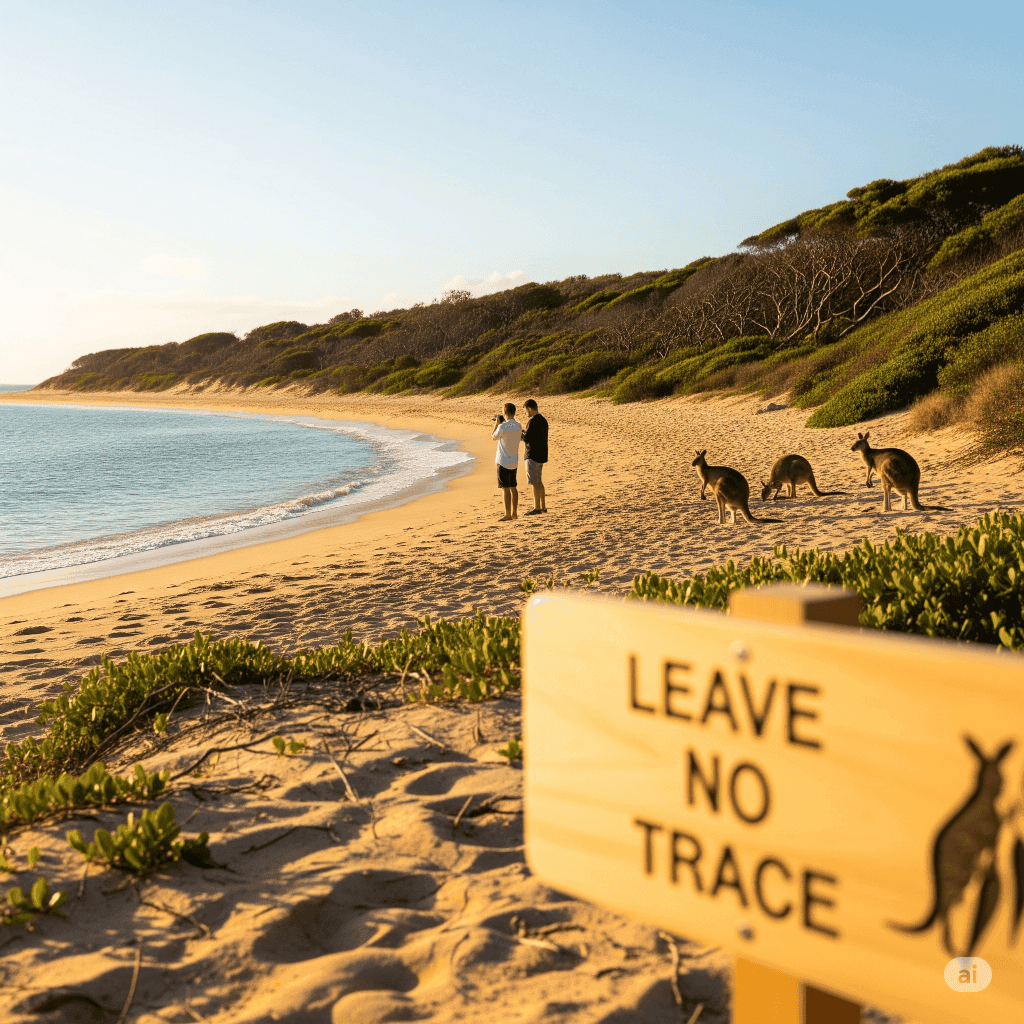
The foundation of ethical travel in Australia is the Leave No Trace framework — the golden rules of outdoor ethics that every responsible backpacker should memorise before heading into the bush.
Plan Ahead and Prepare
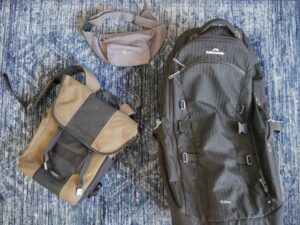
Research every area you plan to visit. Understand local regulations, seasonal weather conditions, and potential hazards. Pack appropriate gear to minimise your impact — reusable water bottles, heavy-duty rubbish bags, and proper sun protection. Before venturing into the outback, make sure you have the right equipment. For durable, eco-friendly gear tailored to the Australian bush and farm environment, visit the Backpack Australia Resources Page.
Dispose of Waste Properly
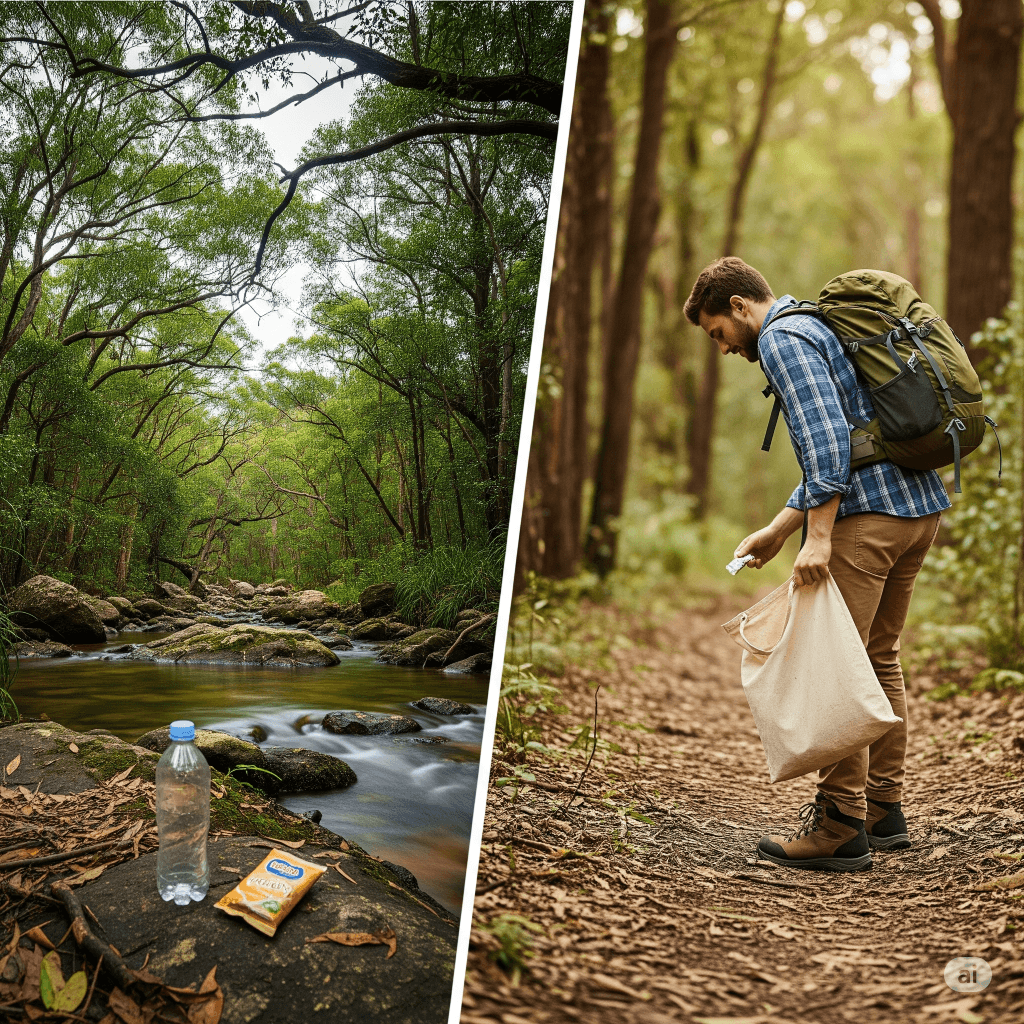
Carry out absolutely everything you carry in, including food scraps. Even organic waste — fruit peels, apple cores — takes a very long time to decompose in Australia’s dry climate and can attract and harm local wildlife in the process.
Leave What You Find
Do not remove natural objects: rocks, plants, shells, or cultural artefacts. Leave them for others to enjoy and to maintain the ecological balance of the environment.
Minimise Campfire Impacts
Always obey fire bans without exception. Use established fire rings, and ensure fires are completely extinguished — cold to the touch — before you leave. Australia is the driest inhabited continent on earth. A single unattended fire can devastate thousands of hectares of irreplaceable habitat.
Respect Wildlife
Observe animals from a safe distance. Never approach, chase, or touch wild animals — this stresses them and can permanently alter their natural behaviour. Never feed wildlife. Human food can make animals dependent on handouts, aggressive toward other visitors, and vulnerable to disease.

Water and Energy Conservation
Australia is the driest inhabited continent on earth, making water an incredibly precious resource for both cities and regional farming communities. Practise water and energy conservation wherever you stay: take short showers, turn off lights and air conditioning when leaving a room, and only run laundry when you have a full load. These small habits add up enormously across a six-month or year-long working holiday.
The Gritty Reality: Ethical Work and Farm Life in Regional Australia
Perhaps the most crucial pillar of conscious travel in Australia on a Working Holiday Visa is understanding your work rights and staying firmly on the right side of the law. Ignorance is not an excuse when it comes to Australian regulations — and our team at Backpack Australia sees travelers make avoidable, costly mistakes every single season.
Understanding Your Visa Work Conditions
You must be acutely aware of your work limitations. The standard rule restricts you to six months with one employer. You need to know exactly what kind of work counts toward your second or third-year visa extension, and you must never work “off the books” or engage in illegal activities. The consequences include severe visa bans and deportation — consequences that follow you for years after leaving Australia.
The Fair Work Ombudsman’s Working Holiday Visa hub is an essential resource. It outlines your legal minimum wage entitlements, piece rate rules, and what to do if you believe you are being underpaid.
Understanding the Regional Grind
Regional agricultural work is not a glamorous Instagram photoshoot. Picture waking at 4:30 AM in a freezing tin-roofed donga to pick citrus in Mildura, Victoria — morning frost biting at your fingers as you race against the clock. Or imagine facing the relentless 90% humidity of Tully, Queensland, lugging heavy banana bunches through muddy paddocks while dodging enormous spiders. This is the real face of ethical backpacking in Australia done properly — hard, honest, rewarding work.
In these environments, you will often encounter piece rates — meaning you are paid per bin, bucket, or kilogram picked, rather than a flat hourly wage. Your hustle directly dictates your paycheck. Without a strong work ethic and the physical stamina to keep moving, you will struggle to make a living wage.
To survive these conditions, you need the right agricultural clothing: high-vis shirts with UV protection, heavy-duty wide-brimmed hats, steel-capped boots, and proper hydration packs. For a curated list of reliable farm work essentials that won’t fall apart after a week in the mud, head to the Backpack Australia Resources Page.
Protecting Yourself from Exploitation
Unfortunately, exploitation is a documented reality in the backpacker job market. Do not accept roles that pay below the legal minimum wage or involve unsafe working conditions. Accepting unfair wages not only hurts you — it actively undermines the entire system for every working holiday maker who comes after you. Always demand a written contract, verify the employer’s ABN (Australian Business Number) using the official government ABN Lookup tool, and ensure your payslips are legally compliant so your days officially count toward your visa extension.

The Cultural Pillar: Engaging with Respect
True conscious travel in Australia means engaging deeply and respectfully with the country’s cultural heritage — starting with the world’s oldest living culture: that of Australia’s Indigenous peoples.
Acknowledge and Learn
Take the time to genuinely learn about Aboriginal and Torres Strait Islander cultures. Visit cultural centres and museums, and seek out Indigenous-led tours that put money and agency directly into community hands rather than external operators.
Respect Sacred Sites
Be aware of culturally significant sites across the country. Many areas carry strict restrictions on access or photography. Always adhere to signage and follow local guidance — these restrictions exist for profound cultural and spiritual reasons, not bureaucratic ones.
Support Local Businesses
Whenever possible, buy food, souvenirs, and services from local businesses rather than massive international chains. Eating at local cafés and markets is both a fantastic cultural experience and a direct way to put money back into the communities that host you.
Surviving Hostel Life with Respect
The backpacking community thrives on shared respect, but unconscious behaviour in hostels can rapidly degrade the experience for dozens of other travelers. These are communal living spaces, and your actions carry consequences.
- Clean up after yourself in communal kitchens and bathrooms — every single time.
- Be mindful of noise levels, especially in dorm rooms where people have wildly different schedules (particularly those doing early 4:30 AM farm starts).
- Do not hoard kitchen space, fridge shelves, or power outlets.
- Respect the personal space and belongings of every other traveler, without exception.
Additionally, be aware of strict local laws. Australia has severe drug laws, strict drinking age limits (18+), rules against public alcohol consumption in certain areas, and incredibly strict biosecurity laws to protect its unique environment. If you rent a vehicle, drive on the left, obey speed limits, and never drive tired or under the influence.
Frequently Asked Questions: Ethical Backpacking in Australia
How do I verify if a regional farm job is legitimate?
Always ask for the employer’s ABN and verify it on the official government ABN Lookup tool. Legitimate employers provide a formal contract, pay directly into your bank account (never cash-in-hand), issue legal payslips, and pay your superannuation. If they refuse to provide paperwork, walk away immediately.
What is the difference between hourly pay and piece rates?
Hourly pay guarantees you the minimum wage for every hour you are on the clock regardless of speed. Piece rates pay you based on your output — per bin of apples, for example. By law, piece rates must be calculated so an average competent worker earns at least 15% above the minimum hourly wage. If you are a slow picker, piece rates can be financially disastrous, so build your speed before relying on them.
What happens if I overstay my visa or break Australian laws?
The Australian Border Force and local police do not accept ignorance as an excuse. Breaking laws — including drug laws, illegal work arrangements, or reckless driving — can result in massive fines, immediate visa cancellation, deportation, and a multi-year ban from re-entering Australia.
How do I prepare my body for regional agricultural work?
Farm work is essentially a paid physical endurance sport. Stretch daily, stay well hydrated, and invest in high-quality supportive footwear. Treat your body like an athlete’s — poor nutrition and heavy drinking on days off will make the physical labour twice as hard and shorten your earning season significantly.
Fast-Track Your 88 Days the Ethical Way
One of the biggest mistakes travelers make is arriving in Australia and attempting to navigate the regional job market entirely alone. Every day spent scrolling through outdated Facebook groups or sitting in expensive city hostels is a day burning through your savings and missing out on potential wages. The opportunity cost of going it alone is simply too high.
Backpack Australia has direct, vetted contact with over 4,000 eligible employers and connects with virtually all of the legitimate working hostels across the nation. We remove the guesswork, the scams, and the endless waiting — allowing you to knock out your 88 days of eligible work fast, secure your visa extension, and get back to what you actually came here for.
Sign Up for the Job Help Programme Newsletter to get immediate access to our exclusive employer and hostel networks today.
Final Thoughts: Cultivating Conscious Travel in Australia
Building a conscious mindset takes genuine effort, but the rewards are profound. Research every region before you visit, stay informed on local news and fire danger ratings, and never be afraid to ask locals or hostel staff if you are unsure about customs or regulations. Your Australian backpacking adventure is a rare opportunity to grow, connect, and contribute. By practising conscious travel in Australia — making ethical choices about the environment, local communities, and your employment — you not only enrich your own journey but leave a powerful, positive legacy on the stunning country that hosts you.