
So, you’ve finally done it. You’ve snagged a Working Holiday Visa, packed your bags, and booked your long-haul flight to the Land Down Under. Strewth! (That’s Aussie slang for “wow”!). You are officially in for an unforgettable adventure filled with stunning beaches, unique wildlife, and the famously laid-back charm of Aussie culture.
But hold on a sec, mate (Aussie for “friend”). While English is indeed the official language, Australians have a unique knack for twisting and turning it into their own highly colorful lingo. If you are stepping off the plane expecting textbook English, you are in for a rapid awakening. Learning to handle regional realities and mastering the specific topic of this article is essential for anyone looking to make the most of their stay and work in Australia.
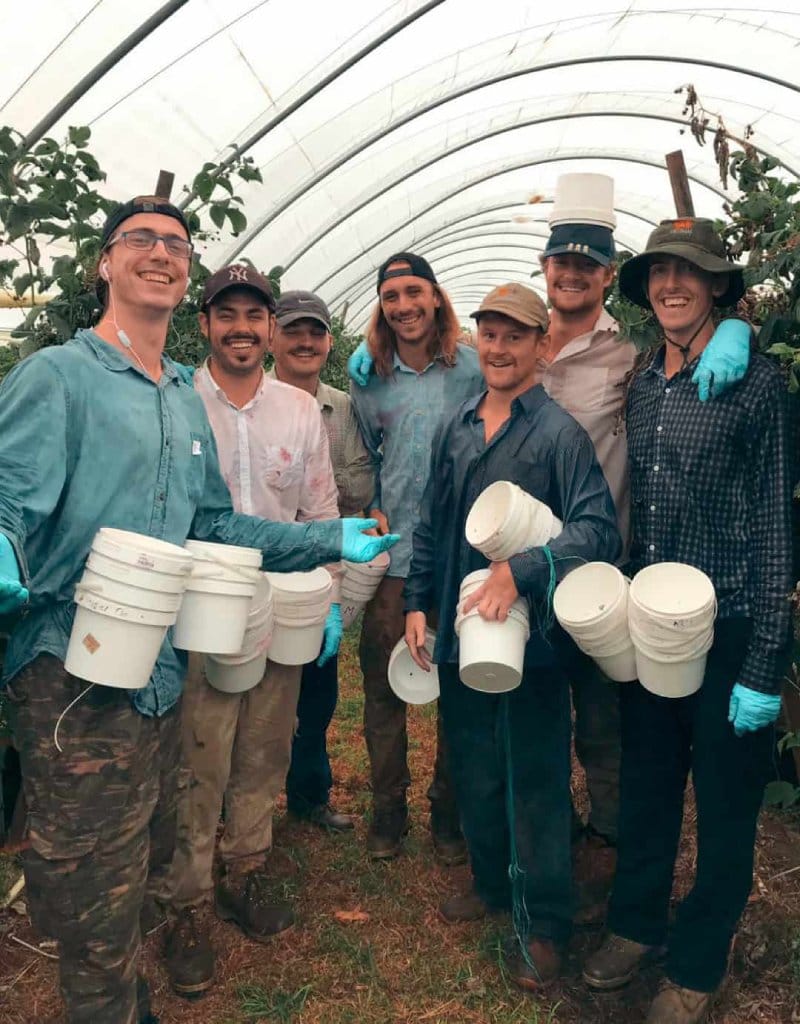
Whether you’re gearing up for early mornings picking bananas in the suffocating humidity of Tully, Queensland, or preparing for a grueling season of citrus picking in the dry heat of Mildura, Victoria, your ability to communicate effectively with local farmers and fellow backpackers will dictate your success.

Why Understanding Aussie Slang Matters on the Farm and Beyond
Imagine this realistic scenario: You are trying to secure your 88 days of regional work, and you’re chilling at a legendary Aussie barbie (barbecue) with some new mates. A local farm manager walks up to you and asks, “How ya goin’?” (How are you?). If you respond with a blank stare, completely missing the friendly greeting, you’ve just missed an opportunity to network.
Understanding Aussie slang isn’t just about deciphering words; it’s about unlocking a deeper connection with the culture. It shows you’re making a genuine effort to fit in, which locals—especially rural employers—will deeply appreciate. Furthermore, it opens doors to authentic experiences and hilarious conversations. When you are out in the regions negotiating piece rates or trying to figure out if your hourly wage covers your hostel rent, understanding the exact nuances of what a contractor is telling you is the difference between making bank and going broke.
The Backpacker’s Dictionary: Essential Greetings & Farewells
To get you started, you need to master the basics. Here is the foundational vocabulary you will use every single day:
- G’day: The quintessential Aussie greeting, perfect for any time of day. It’s friendly, informal, and a great way to say hello.
- How ya goin’: This versatile phrase works for greetings, inquiries about someone’s well-being, or simply acknowledging their presence.
- No worries: This covers a multitude of situations. It can be a response to “thanks” (you’re welcome), or a way to say “don’t worry about it” or “no problem”.
- Cheers: Another all-rounder! Use it for “thanks,” “cheers!” (a toast), or even “goodbye”.
- See ya later: A casual way to say goodbye.
- Catch ya later: Similar to “see ya later,” but with a touch more informality.
- She’ll be right, mate: A reassuring phrase meaning “everything will be alright” or “don’t worry about it”.

Note for Farm Workers
If a farmer tells you the tractor is making a funny noise but “she’ll be right”, it means keep working until it actually breaks down!
Everyday Lingo for Backpackers and Regional Workers
When you are living out of a backpack and working long days, your vocabulary will shift to prioritize food, rest, and supplies. Our team at Backpack Australia uses this practical advice when helping travelers prepare for regional jobs, so take notes:
- Brekkie: Breakfast. Perfect for those early mornings before hitting the beach or the fields.
- Barbie: Barbecue. A staple of Aussie culture, so be prepared for some epic barbecues with your new mates!
- Servo: Service station (gas station). Remember, Aussies drive on the left-hand side of the road!
- Bottle-O: Liquor store. Stock up on some refreshments for your adventures.
- Maccas: McDonald’s. A familiar comfort food option when you’re on the go.
- Thongs: Flip-flops. Essential footwear for the Aussie climate. (Just don’t wear them on a construction site or a farm!).
- Esky: Cooler. Keep your drinks and snacks chilled on those hot days.
- Tucker: Food. Tuck into a delicious Aussie meal after a long day of exploring.
- Fair dinkum?: Is that true? A way to express surprise or disbelief.
- Ripper: Excellent, fantastic. Let your mates know you’re having a ripper time!
- Sunburnt: This is a real possibility in Australia! Make sure to slip, slop, slap (sunscreen, hat, long sleeves).
If you need reliable sun protection and workwear for the harsh agricultural environment, be sure to check our recommended gear on the Backpack Australia Resources Page.
Reading the Room: Aussie Humor, Body Language, and Faux Pas
Understanding Aussie Humor & Irony
Aussies love a good laugh, and sarcasm is often part of the package. They might take the mickey (make fun of you) in a good-natured way. If the work crew is teasing you about how slowly you are pruning vines, don’t take it personally—just learn to laugh along! It’s often a sign that they like you.
They might also use understatement to emphasize something. For example, if they say something is “not bad” for a meal, it probably means they loved it!
Body Language and Mannerisms
Aussies tend to be more direct and less formal than in many other cultures. They value honesty and straightforwardness. Here are a few tips for reading Aussie body language:
- Eye contact: Maintaining eye contact is generally seen as a sign of respect and honesty. When a contractor is explaining how your piece-rate bins will be weighed, look them in the eye.
- Personal space: Aussies tend to have a larger personal space bubble than some other cultures. Avoid standing too close to someone unless you know them well.
- Gestures: Aussies use a variety of gestures to express themselves. Pay attention to their body language to understand the nuances of their communication.
Avoiding Faux Pas: Respecting Aussie Culture
While Aussies are a laid-back bunch, there are a few things to keep in mind to avoid looking like a clueless tourist:
- Don’t call them “shrimp on the barbie!” This outdated stereotype is a bit cringeworthy for locals.
- Be mindful of the environment. Australia has a unique and fragile ecosystem. Respect wildlife and dispose of rubbish responsibly.
- Tipping isn’t expected. Service staff are paid a fair wage, so a simple “thanks” is all that’s needed.
- Be prepared for the elements. Australia has diverse weather patterns. Pack for different seasons and be prepared for sudden changes.
Ensure your backpack is stocked appropriately by utilizing the checklists on our Backpack Australia Resources Page.
Experiencing Aussie Culture: A Backpacker’s Guide
One of the best ways to immerse yourself in Aussie culture is by participating in local activities. Getting involved locally is also the best way to uncover unadvertised cash-in-hand jobs or regional work opportunities. Here are a few ideas:
- Go to a footy match: Australian Rules Football (AFL) is a passionate sport with a unique atmosphere.
- Visit a local pub: Pubs are a central part of Aussie social life. Enjoy a cold beer and chat with the locals. (This is often where farmers recruit eager backpackers!).
- Attend a music festival: Australia has a thriving music scene with festivals for every taste.
- Volunteer: Volunteering is a great way to give back and meet like-minded travelers.
Frequently Asked Questions (FAQ)
Do I really need to learn the slang to get a farm job?
While it’s not a strict requirement, understanding terms like “smoko” (a short work break) or “arvo” (afternoon) will prevent critical misunderstandings when your supervisor is barking instructions across a noisy packing shed. It shows respect, adaptability, and a willingness to integrate into Australian workplace culture.
What is the most important cultural rule when dealing with regional employers?
Honesty and punctuality. The “laid-back” Aussie stereotype does not apply to showing up late for a 5:30 AM shift. Be straightforward, work hard, and if you don’t understand an instruction, ask directly rather than guessing and making a mistake.
How do I handle the banter on a working farm?
“Taking the mickey” is a rite of passage. If you are being lightly teased about your accent or your sunburn, smile and give a little bit back. It is a sign of camaraderie and acceptance on the work crew.
Fast-Track Your Working Holiday Success
Understanding the culture is only the first piece of the puzzle. Securing reliable, fair-paying regional work is the real challenge.
Every year, thousands of backpackers arrive in Australia and make a critical mistake: they waste precious time. It is foolhardy to spend weeks or months trying to find work independently, wasting money sitting around in expensive city hostels, and missing out on thousands in potential wages.
The opportunity cost of “winging it” is incredibly high. Every day you spend endlessly scrolling through outdated job boards or knocking on the doors of fully booked hostels is a day you aren’t earning money toward your travels.
Backpack Australia has direct contact with over 4,000 eligible employers and connects with virtually all the working hostels across Australia. Joining our system is far easier and quicker, allowing you to complete your 88 days of eligible work faster so you can start earning sooner, secure your visa extensions, and get back to travelling and enjoying Australia.
Don’t let your working holiday turn into a stressful job hunt. You can get immediate access to these employer and hostel networks right now. Simply Sign Up for the Job Help Programme Newsletter to start fast-tracking your adventure.
Conclusion
By understanding Aussie expressions, mannerisms, and culture, you’ll be well-prepared to embrace the Land Down Under and make unforgettable memories. Equip yourself with the right attitude, the right lingo, and the right network, and your Australian working holiday will be nothing short of a ripper time.
Safe travels, mate!