
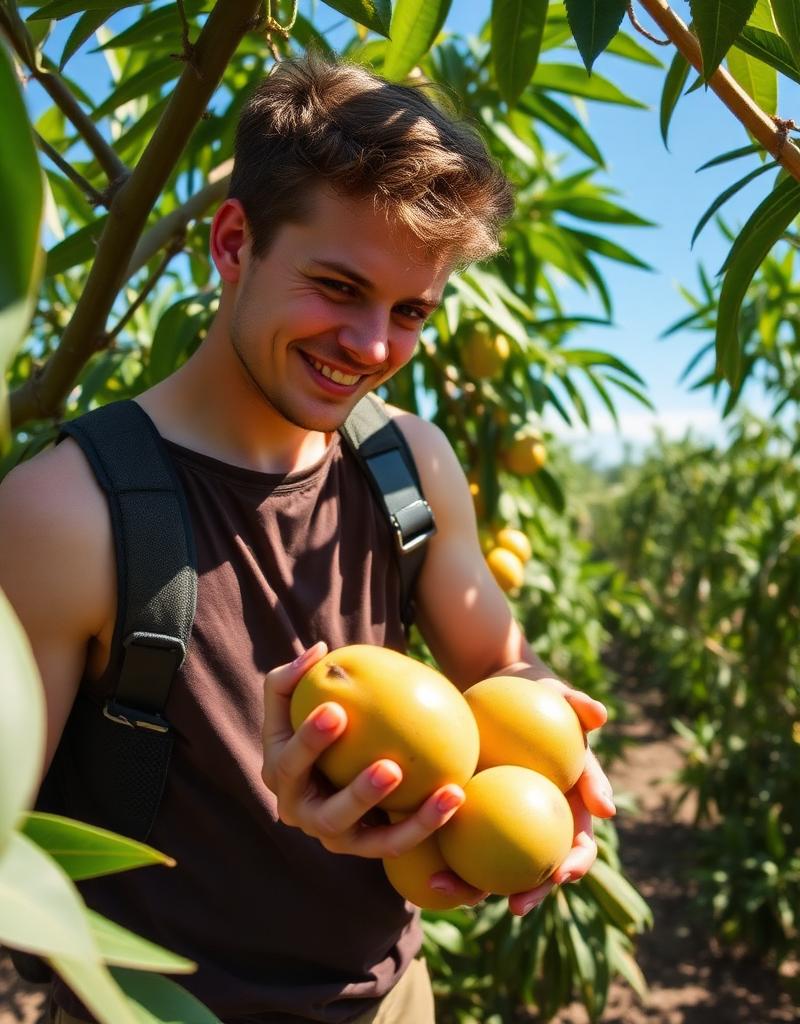
For many backpackers in Australia, earning a second-year Working Holiday Visa is a major goal. Completing eligible regional work can extend your stay, allowing you to travel longer, gain more work experience, and save additional money. However, not all farms offer the same experience. Choosing the right farm can make your regional work rewarding and enjoyable, while choosing the wrong one can lead to frustration, poor working conditions, and financial stress. Understanding what to look for before accepting a job is essential.
The first step is verifying that the farm and the work qualify for second-year visa requirements. Australian immigration rules specify certain industries and regional areas that count toward visa eligibility. Before accepting any position, confirm that the work is eligible and that the employer can provide proper records of your employment. Keep copies of payslips, contracts, and work schedules throughout your employment period.
Researching the employer is equally important. Search for online reviews, backpacker forums, and social media groups where travelers share their experiences. While every workplace will have mixed opinions, repeated complaints about unpaid wages, unsafe conditions, or poor accommodation should be treated as warning signs. Speaking directly with current or former workers can provide valuable insights that job advertisements often leave out.
Pay and working conditions should be clearly explained before you arrive. Ask whether you will receive an hourly wage, piece rate, or a combination of both. Request details about expected working hours, break times, and average weekly earnings. Reputable employers are usually transparent about these details and willing to answer questions. If an employer avoids discussing pay or provides vague information, consider it a potential red flag.
Accommodation is another critical factor. Many farms offer housing for workers, but the quality can vary significantly. Before committing, ask for photos of the accommodation and information about weekly rent, room sharing arrangements, internet access, and transportation options. Affordable accommodation near the workplace can save money and reduce daily stress, while poor housing conditions can negatively affect your overall experience.
Location also plays a major role in your farm work journey. Some farms are located in remote areas with limited access to shops, healthcare services, and public transportation. While regional work often requires flexibility, understanding the location beforehand helps you prepare properly. Check nearby facilities and consider how you will access groceries, banking services, and medical care if needed.
Safety should never be overlooked. A responsible employer will provide training, safety equipment, and clear instructions for tasks. Be cautious of employers who expect workers to perform dangerous duties without proper guidance or protective gear. Your health and wellbeing are more important than completing visa days quickly.
Networking with other backpackers can also help you find quality opportunities. Travelers who have already completed regional work often know which farms provide fair treatment and which ones should be avoided. Backpacker communities, hostel notice boards, and online groups can be valuable sources of trustworthy recommendations.
Completing regional work is an important milestone for many travelers in Australia. By researching employers, confirming visa eligibility, understanding working conditions, and prioritizing safety, you can choose the right farm and avoid costly mistakes. A well-chosen farm job can provide not only visa eligibility but also valuable experiences, new friendships, and unforgettable memories during your Australian adventure.