
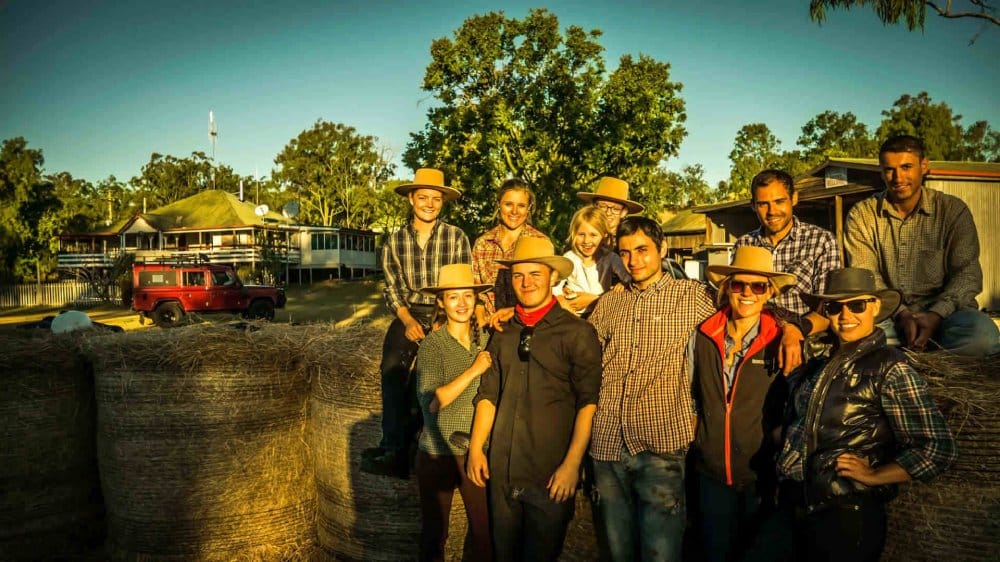
Finding backpacker jobs in Australia is the central practical challenge of every working holiday — and it is significantly more complex than most travelers expect before they land. This is not just about getting any job quickly; it is about finding work that is legally compliant, pays correctly, signs off on your visa days legitimately, and does not put your physical safety or financial security at risk. The regional agricultural job market that most working holiday makers need to navigate for their 88-day visa extension is rewarding but genuinely tough — extreme weather, piece-rate pay structures, seasonal timing, and a real risk of exploitation for unprepared travelers who do not know their rights. This comprehensive guide covers everything you need: the realities of regional work, how payment structures actually function, the common job market hurdles and how to clear them, and how to fast-track your search through the right networks.
The Gritty Reality of Regional Australian Work
When most people picture working in Australia, they imagine pouring coffees by Bondi Beach. While hospitality is a significant sector, finding the backpacker jobs in Australia that actually count toward your visa extension usually means heading into the regions for agricultural work in conditions that test your physical and mental resilience.
Consider the stifling humidity of hauling banana bunches in Tully, Queensland, where the tropical heat tests your endurance from dawn until dusk. Contrast that with the biting, frost-covered pre-dawn starts required for citrus picking in Mildura, Victoria, during the winter harvest. Farm work is not a casual activity — it requires grit, physical preparation, and a clear understanding of how you will be paid before you accept a single position. Our team at Backpack Australia works directly with travelers preparing for regional placements every season, and the same message applies consistently: knowing what to expect is half the battle.
Understanding How You Will Be Paid: Hourly vs Piece Rates
One of the most important things to understand when finding backpacker jobs in Australia’s agricultural sector is the payment structure of your specific placement. Confusion about piece rates is one of the most common and most expensive mistakes working holiday makers make.
| Payment Structure | How It Works | Best Suited For |
|---|---|---|
| Hourly wage | You are paid the legally mandated minimum rate for every hour worked, regardless of your harvesting speed or crop yield. | Beginners, packing shed roles, and most hospitality positions. |
| Piece rate | You are paid per unit of produce harvested — per bin, per kilogram, or per bunch — meaning your daily income is entirely determined by your speed and physical output. | Experienced, physically fit workers who have built the technique and stamina to pick efficiently. |
Consider this scenario: you accept a piece-rate position picking cherry tomatoes. If you are still building your picking technique and the crop yield is poor due to bad weather, you might complete a gruelling 10-hour day and barely cover your hostel rent. An experienced picker on a good crop can earn significantly above the minimum hourly wage on the same day. Always assess your physical capability and ask about current crop conditions before committing to a piece-rate agreement. By law, piece rates must be set so that an average competent worker earns at least 15% above the minimum hourly wage — if your payslip consistently falls below this, contact the Fair Work Ombudsman immediately.
Overcoming Common Job Market Hurdles When Finding Backpacker Work in Australia
The Australian regional job market is as rewarding as it is complex. Understanding the most common pitfalls before you encounter them makes the difference between a smooth search and weeks of wasted time and money.
Navigating Visa Rules
Working Holiday Visa conditions are specific about which industries, regions, and employer types count toward your second and third-year extension eligibility. Always verify that a potential employer operates in an approved postcode and industry before accepting a placement — and always confirm they can provide legitimate payslips and sign off on your eligible days correctly. A job that does not count toward your extension is not eligible work, regardless of what the employer tells you.
Managing Seasonal Timing
Most agricultural roles are inherently seasonal, and arriving in a regional hub outside the harvest window can mean weeks of waiting with no income. Plan your regional itinerary around the official Australian harvest calendar — Bundaberg and the Atherton Tablelands in winter and spring, Mildura’s citrus season in autumn and winter, the Northern Territory’s mango season in spring — rather than arriving based on proximity or transport convenience.

Avoiding Exploitation
Backpackers are among the most frequently underpaid workers in Australia, and the regional agricultural sector carries the highest exploitation risk of any working holiday employment category. Protect yourself with these non-negotiable habits: always demand a written contract before starting work; verify every employer’s ABN on the official Australian Business Register before accepting a position; never hand over your physical passport to any employer or contractor under any circumstances; always check that you receive a compliant payslip within one working day of being paid; and report any breach immediately to the Fair Work Ombudsman.
Language Barriers
For non-native English speakers, farm work environments that involve fast verbal instructions from supervisors and farm managers can present real communication challenges. Practising Aussie slang and basic agricultural terminology before your first placement significantly reduces this barrier — and makes you more employable from day one.
Gear, Skills, and Physical Preparation
Arriving at a regional farm in casual sneakers and a fashion t-shirt is a fast route to being turned away or injured on the first day. When finding and starting backpacker farm jobs in Australia, the right gear is both a safety requirement and a professional signal that you are ready to work.
The standard regional work kit includes: a wide-brim hat, long-sleeved UV-protective shirts rated UPF 50+, heavy-duty work trousers, and steel-capped boots that protect your feet from machinery and snake strikes. High-visibility shirts are mandatory on most farm sites. For reliable, industry-standard gear and clothing specifically tested for Australian regional work conditions, visit the Backpack Australia Resources Page.
Beyond gear, consider upskilling before you arrive. A barista certification, a forklift licence, an RSA (Responsible Service of Alcohol) qualification for hospitality, or even a recognised farm safety induction course all make you significantly more employable across a wider range of regional positions. According to the Fair Work Ombudsman’s Working Holiday Visa hub, understanding your specific workplace rights before you start work — not after an issue arises — is the single most effective protection against underpayment and exploitation.

Frequently Asked Questions: Finding Backpacker Jobs in Australia
How do I balance working with actually seeing the country?
Plan your regional placements in a way that positions you in areas with genuine natural or cultural attractions on your days off. Bundaberg is close to the Great Barrier Reef. The Atherton Tablelands is stunning. Mildura has the Murray River. Treat your regional work locations as bases for exploration rather than just job sites, and you build a travel itinerary into the employment calendar rather than sacrificing one for the other.
How do I qualify for a second or third Working Holiday Visa in Australia?
To qualify for a second year (subclass 417 or 462), you must complete 88 days of specified regional work with a legitimate, compliant employer operating in an approved postcode and industry. A third year requires an additional 179 days. Always verify the current eligible industries and postcodes directly on the Australian Department of Home Affairs website, as these requirements are subject to periodic revision.
What is the most efficient way to search for backpacker jobs in Australia?
Use SEEK for legitimate listed positions, verify all employers on the ABN Register before engaging, and access established networks with direct employer contacts rather than relying on unvetted Facebook groups or classified listings. The fastest and most reliable pathway to verified regional work is through trusted networks that have pre-screened employers for compliance and pay rates.

Fast-Track Your 88 Days Through the Right Network
The biggest mistake working holiday makers make when finding backpacker jobs in Australia is underestimating the opportunity cost of going it alone. Every week spent in an expensive city hostel scrolling through outdated job boards is a week of savings drained and potential wages permanently missed — and the risk of landing with exploitative, non-compliant employers through unverified channels is well-documented and significant.
Backpack Australia has direct contact with over 4,000 eligible regional employers and connects with virtually all the legitimate working hostels across the country. We remove the guesswork, bypass the scammers, and put you directly in front of employers who need workers right now — in placements that pay correctly, sign off on visa days legitimately, and operate within the full framework of Australian employment law.
Sign Up for the Job Help Programme Newsletter to get immediate access to our exclusive employer and hostel networks today.
Conclusion
Your working holiday in Australia should be defined by genuine adventure, real financial independence, and memories that last decades — not by the stress of a chaotic job hunt or the anger of being exploited by an unregistered employer. By understanding the realities of regional agricultural work before you arrive, choosing the right payment structure for your current skill level, protecting yourself from exploitation with non-negotiable habits, gearing up correctly, and finding backpacker jobs in Australia through verified, trusted employer networks, you set yourself up for a working holiday that delivers everything it promises. Prepare smartly, work hard, and the vast, extraordinary landscapes of Australia will be yours to explore.