
Gear testing before Australia is the single most overlooked step in trip preparation, and it is entirely within your control. You’ve finally made it — backpack crammed, heart thumping with anticipation, ready to dive into every adventure this continent offers. You’ve invested heavily in what you believe is the perfect setup: rugged hiking boots, a state-of-the-art headlamp, a waterproof jacket that promised to defy the elements. But here’s a crucial truth too many backpackers learn the hard way: untested new gear might look great in the store, but real-world conditions expose its true performance fast. Not testing your gear before departure is a silent gamble that can turn your dream adventure into a saga of discomfort and genuine safety risk. This guide covers exactly how to field-test every category of gear before you rely on it in the Australian bush or on a farm.
The Gritty Reality: Why Your Gear Matters in the Bush
Australia is not a gentle testing ground. If you’re completing your 88 days of specified work, your equipment will be pushed to its absolute limits. Imagine securing a job picking bananas in the suffocating tropical humidity of Tully, Queensland, or hauling picking bags during frosty early mornings on a citrus farm in Mildura, Victoria.
When you’re working piece rates — where your paycheck depends entirely on how fast and efficiently you pick — a massive blister from unbroken-in work boots doesn’t just hurt, it literally costs you money. You cannot afford to lose days of work because a cheap rain jacket soaked through during a sudden squall, leaving you freezing and miserable. Our team at Backpack Australia gives this practical advice when helping travelers prepare for regional jobs, because your gear is a genuine extension of your survival and earning potential.
Common Gear-Related Problems From Skipping Gear Testing Before Australia
The excitement of fresh purchases often overshadows the practical need to confirm they actually work as intended. Here’s exactly how untested gear fails you, and what to do about it.
Footwear Fiascos
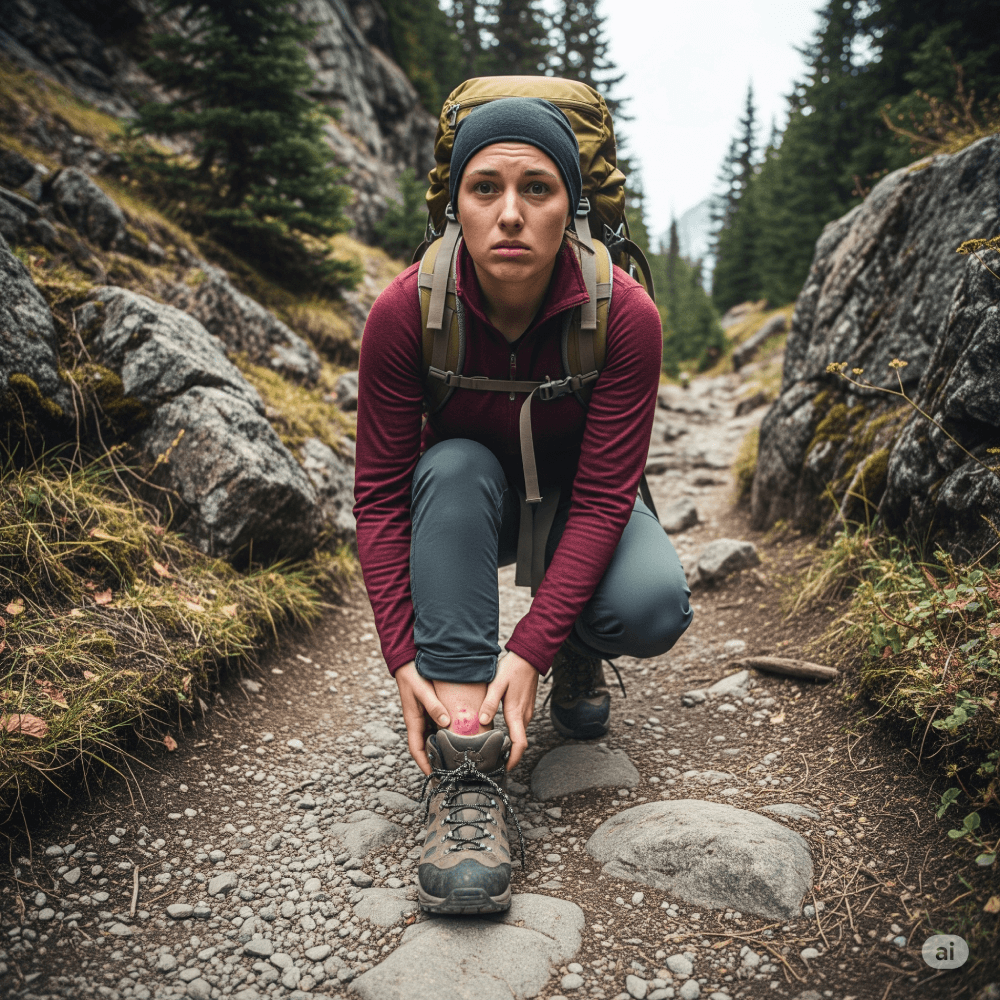
The problem: buying new hiking boots and wearing them for the first time on a long hike or farm shift is a major mistake. The impact: blisters, chafing, foot pain, and discomfort — a leading cause of preventable injury that can sideline you from activities entirely. The solution: always break in new shoes. Wear them around town and on short walks, gradually increasing distance before your big adventures. Find proper recommendations for farm-approved footwear on the Backpack Australia Resources Page.
Backpack Woes
The problem: failing to properly fit your pack to your body, or discovering a broken zipper or strap only after it’s fully loaded. The impact: uneven weight distribution causes back pain, shoulder strain, and chafing, while a malfunctioning zipper means you can’t properly secure your valuables. The solution: load your pack with its full weight, adjust all straps, and walk around with it for an extended period. Check every zipper and buckle for functionality and durability before you leave.
Waterproofing Failures
The problem: relying on a “waterproof” jacket or backpack cover that hasn’t actually been tested in rain. The impact: Australia’s weather is unpredictable even in dry seasons, and a sudden downpour drenches belongings, resulting in soaked clothes, damaged electronics, and potential hypothermia in cooler climates. The solution: test all rain gear under a shower or in heavy rain before you leave home. For high-quality wet-weather gear suited to farm work, check the Backpack Australia Resources Page.
Electronics and Power Issues
The problem: forgetting to check whether power adapters actually work in Australian outlets, or if portable chargers hold a charge. The impact: a dead phone when you need it most for navigation or emergencies, or an inability to charge camera batteries. The solution: plug in and fully test all adapters, power banks, and charging cables to confirm devices charge to 100% correctly before you rely on them.
Camping and Sun Protection Inadequacies
The problem: setting up a new tent for the first time in the dark, or discovering your sleeping bag isn’t warm enough miles from civilisation. Buying sunscreen without testing effectiveness or comfort is similarly risky. The impact: freezing nights, no hot food, safety risks in remote areas, and severe sunburn given how potent Australian UV genuinely is. The solution: set up tents, test stoves, and assess sleeping bags before relying on them anywhere remote. Test new sunscreens for sensitivity, and wear sun-smart clothing for extended periods to confirm comfort.
The True Cost of Untested Gear: Beyond Just Discomfort
The consequences of skipping gear testing before Australia extend far beyond minor annoyance.
- Financial drain — buying replacement gear on the road is often more expensive, particularly in remote areas or tourist traps. Unexpected repair costs and missed pre-booked tours due to gear malfunctions eat into tight travel budgets.
- Time wasted — dealing with malfunctioning items, searching for replacements, or figuring out repairs consumes precious travel time that could go toward exploring or finding regional work.
- Safety risks — in the outback or remote regions, an ineffective rain jacket, insufficient footwear, or a malfunctioning headlamp poses serious safety risk, especially if caught out after dark, in bad weather, or on challenging terrain.
- Diminished enjoyment — constant discomfort and worry about your gear significantly detracts from your ability to relax and appreciate your travel experience.
- Environmental impact — discarding faulty or unsuited gear on the road contributes to unnecessary waste in the places you visit.
Frequently Asked Questions: Gear Testing Before Australia
How do I know if my work boots are broken in enough for my 88 days?
Wear your work boots for at least two weeks of regular daily activities before hitting the farm. If you can walk 5 to 10 kilometres in them without developing “hot spots” — areas of friction that precede blisters — they are likely ready for the fields.
Can I just buy cheap gear when I arrive in Australia?
You can buy gear in major cities, but relying on cheap, untested equipment for regional farm work is a false economy. Cheap boots destroy your feet, and cheap rain jackets tear on branches. It’s always better to invest in quality gear — see the Backpack Australia Resources Page — and test it thoroughly regardless of where you bought it.
What is the “shower test” for backpacks?
Literally put your fully packed bag — stuffed with towels or old clothes — into your shower at home. Turn the cold water on for 5 to 10 minutes. Check inside to see if the seams leaked. If the towels are damp, your backpack cover failed, and you need a better waterproofing solution before heading into the Australian tropics.
Stop Wasting Time: Fast-Track Your Working Holiday
Testing your gear saves you from physical pain on the road, but what about the pain of job hunting? One of the biggest mistakes backpackers make is arriving in Australia and wasting weeks sitting in expensive city hostels, burning through savings while blindly firing off resumes to unresponsive farms. Every week unemployed is a week not earning potential wages and delaying your 88 days of eligible work.
Backpack Australia has direct contact with over 4,000 eligible employers and connects with virtually all the legitimate working hostels across the country. Joining our network is far easier and quicker, allowing you to secure safe, reliable regional work instantly. Knock out your 88 days fast, secure your visa extension, and start earning sooner.
Sign Up for the Job Help Programme Newsletter to get immediate, exclusive access to our nationwide employer and working hostel networks today.
Conclusion
Australia rewards the prepared. Whether you’re navigating chaotic city hostel dorms, dodging venomous snakes on an outback trail, or racing the clock to pick bins of fruit before midday sun hits, your gear is your lifeline. Take the time at home to load your pack, stand in the shower with your rain jacket, and pound the pavement in your new boots. A little gear testing before Australia ensures tomorrow’s adventure is memorable for all the right reasons.