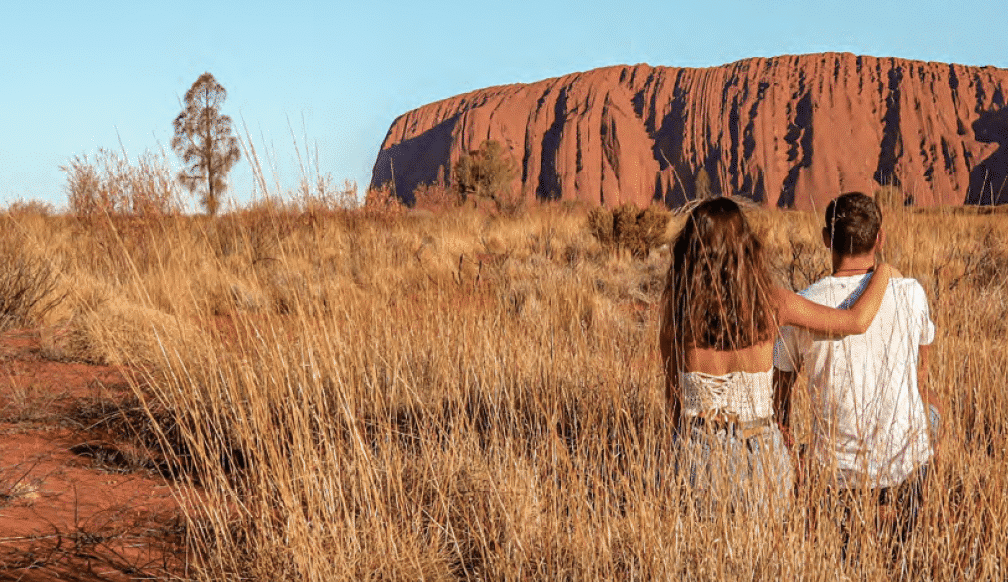
Sun safety on piece-rate work in Australia is not just a health precaution — it is a direct earnings strategy. There is a massive difference between the glossy brochure version of Australia and the reality of spending six to eight hours a day working under its sun. Whether you’re chasing the sun or chasing visa days, the Australian environment demands genuine respect. If you don’t master sun safety and heat management, you aren’t just risking sunburn — you’re risking your ability to work, earn, and travel. This guide isn’t about scaring you; it’s about preparation. We’ve seen the difference between travelers who thrive and those who burn out — literally and figuratively — in their first week. Here is how you stay in the game, keep your income up, and ensure your adventure stays on track.
The Reality of Slip, Slop, Slap in the Field
When you’re out picking citrus in the dry, intense heat of Mildura, Victoria, or working the high-humidity, sweat-drenched banana plantations of Tully, Queensland, standard city sun advice doesn’t always cut it. You’re on the clock, often under a piece-rate system where speed equals money. If you stop to recover, you stop earning — which makes sun safety for piece-rate work in Australia a genuinely different discipline from casual tourist sun protection.
Our team at Backpack Australia gives this practical advice daily when helping travelers prepare for regional jobs, ensuring they understand that health is their primary asset on the farm.
The Gear You Actually Need for Farm Work Sun Protection
Forget flimsy fashion wear. When you’re out for eight-plus hours, your gear is your protective barrier — and the right choices directly affect your comfort and stamina through a full shift.
- UPF-rated clothing — cheap cotton gets heavy when soaked in sweat and doesn’t offer adequate protection. Look for moisture-wicking, breathable, long-sleeved shirts with a high UPF rating.
- The brim is king — a baseball cap leaves ears and neck exposed, and in the outback, ears are a prime target for skin cancer. Invest in a wide-brim hat that stays secure in the wind.
- Sunglasses — high-glare environments like light-coloured dirt or sandy fields cause genuine eye strain. Ensure your glasses meet Australian safety standards (AS/NZS 1067).
If you’re not sure where to source gear that actually stands up to farm work conditions, check the Backpack Australia Resources Page for our recommended equipment list.
Hydration: Your Productivity Multiplier on Piece Rates
In regional work, dehydration is the silent career killer. It isn’t just about feeling “a bit thirsty” — it directly determines how much you earn today.
When you lose fluids, blood volume drops and your heart works harder to pump oxygen to your muscles. If you’re picking fruit on a piece rate, your efficiency drops by 30 to 40% when even mildly dehydrated. You are physically incapable of working as fast as you would if properly hydrated — meaning sun safety and hydration for piece-rate work in Australia translate directly into your bottom line at the end of each week.
Pro Tips for High-Output Environments
- Electrolytes are non-negotiable — plain water isn’t enough when you’re sweating through your clothes by 9:00 AM. Use electrolyte tablets or powders and keep supplies in your kit so you’re not reliant on finding a store mid-shift.
- Pre-hydrate — drink 500ml before you even clock on. By the time you feel thirsty, your performance has already slipped.
- Monitor your output — if you stop sweating suddenly or feel a headache creeping in, stop immediately. Pushing through heatstroke is how you end up in a hospital bed, not earning money.
For gear to keep your water cool and electrolytes accessible throughout a long shift, browse the Backpack Australia Resources Page.
Stop Wasting Time: The Opportunity Cost of Independent Job Searching
We’ve talked about staying safe, but there’s one more risk to your trip: wasting your time. Many travelers arrive and spend weeks sitting in expensive city hostels, scouring noticeboards and messaging unreliable leads on social media. Every week spent “looking” for work is a week burning through savings, missing out on potential wages, and delaying your 88 days.
Backpack Australia has direct contact with over 4,000 eligible employers and connects with virtually all the working hostels across Australia. It is genuinely avoidable to waste weeks slaving away trying to find work independently. Joining our system is faster and more reliable, allowing you to knock out your 88 days of eligible work quickly so you can start earning and finish your visa extensions.
Sign Up for the Job Help Programme Newsletter to get immediate access to our verified employer and hostel networks.

Frequently Asked Questions: Sun Safety and Piece-Rate Work in Australia
Is it safe to do farm work during the hottest months?
Yes, provided you and your employer follow strict heat management protocols — starting early at sunrise, mandatory breaks in shade during peak UV hours (11:00 AM to 3:00 PM), and constant access to cool water. A responsible employer builds these protocols into the shift structure, not just individual willpower.
What is the UV Index, and why should I care?
The UV Index measures the strength of skin-damaging ultraviolet radiation. In Australia it frequently hits 10 or 11+ in summer — at that level, you can burn in under 15 minutes. Always check the daily forecast before heading to the field, and adjust your break schedule accordingly.
What should I do if I think a coworker has heatstroke?
Heatstroke is a medical emergency. Call 000 immediately. While waiting for help, move the person to shade, remove excess clothing, cool them with wet cloths or water, and do not give fluids if they are unconscious or confused.
How do I know if an employer is legitimate?
Legitimate employers provide a payslip, pay the correct award rate, and maintain a safe working environment with proper heat management protocols. If they ask you to pay for a “guaranteed job” or offer cash-in-hand work without a contract, walk away.
Final Thoughts: Own Your Adventure
Australia is an incredible place, but it demands that you show up prepared. Whether navigating the humidity of a Queensland summer or the dry, intense heat of a Victorian harvest, sun safety on piece-rate work is the foundation of both your health and your success. By prioritising your health, using the right gear, and connecting with the right professional networks, you aren’t just surviving your working holiday — you’re mastering it. Get the support you need, get your work done, and get back to living your best life.