
Building a genuine document backup strategy for Australia is one of those unglamorous preparations that only reveals its value the moment disaster strikes. You’ve finally touched down in Australia — endless sunshine, wild adventures, and boundless opportunities to fund your travels. If you’re on a Working Holiday Visa, your passport is your golden ticket, your visa is your permission to dream, and your driver’s licence is your freedom on Aussie roads. But a moment of carelessness, a petty theft, or a simple misplacement, and suddenly your essential documents are gone — and your dream trip grinds to a bureaucratic halt. This guide covers exactly why relying on physical originals alone is a gamble, how to build a genuine multi-layered backup system, and what to do if the worst actually happens.
The Single Point of Failure: Why Originals Alone Are a Recipe for Disaster
Entrusting your entire identity and right to work to a single set of physical documents while on the road is genuinely risky. The Australian environment is harsh, and the transient backpacker lifestyle carries inherent exposure.
- Opportunistic theft in crowded spaces — backpackers constantly move between busy hostels and transit hubs, making wallets and bags containing passports and licences prime targets. The immediate impact is total inability to prove identity, plus the headache of cancelling cards and replacing vital documents abroad.
- Accidental damage — documents are easily misplaced, left behind in hostels, or damaged by water and heat. If your passport is stuffed at the bottom of a damp workpack while picking bananas in the crushing humidity of Tully, Queensland, moisture will destroy it.
- Crushing bureaucratic hurdles — replacing lost documents means navigating a foreign bureaucratic system: contacting your embassy, filling out numerous forms, providing proof of identity that is nearly impossible without backups, and enduring potentially lengthy waits.
- Inability to prove work eligibility — if you show up at a farm gate in Mildura at 4:30 AM ready to work but cannot produce your working rights documentation, the farmer hires the next backpacker in line. No document backup means no fallback if your originals are inaccessible.
Your Document Backup Strategy for Australia: Building a Genuine Safety Net
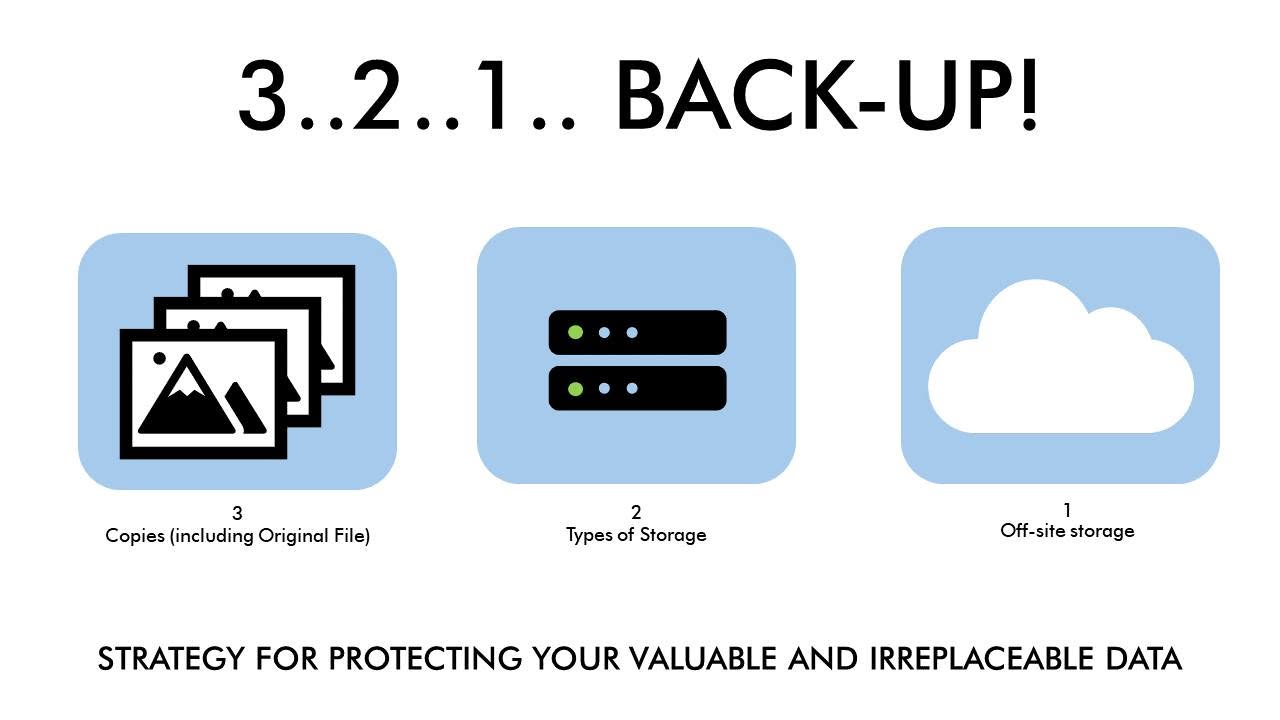
The solution is simple but requires genuine discipline: create and maintain multiple copies of your essential documents in different formats and locations. Our team at Backpack Australia gives this practical advice when helping travelers prepare for regional jobs, ensuring they never miss a shift due to missing paperwork.
1. The Power of Physical Photocopies
- Make multiple sets — create at least two clear photocopies of your passport photo page, visa, both sides of your driver’s licence, insurance policy details, and flight or bus tickets.
- Separate your storage — keep one set in a different part of your main pack than your originals. For protection from hostel showers or tropical rain, store them in a waterproof bag. Find heavy-duty dry bags and travel wallets on the Backpack Australia Resources Page.
- The home base backup — leave another set with a trusted family member or friend who can access them in an emergency. Photocopies speed up reporting processes if your originals vanish entirely.
2. The Digital Fortress: Scanning and Cloud Storage
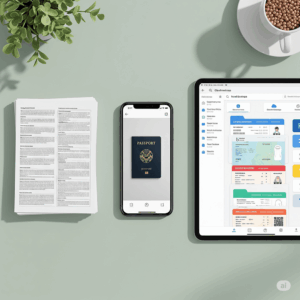
- Create high-quality scans — use a scanner or a quality phone scanning app to produce clear digital copies of all important paperwork.
- Use secure cloud storage — upload scans to Google Drive, Dropbox, iCloud, or a dedicated travel app, secured with strong unique passwords and two-factor authentication.
- Prepare for offline access — the Australian outback is notorious for dead zones. Download key documents for offline access before you head to any remote regional area.
- Email copies to yourself — send critical documents to your own secure email as an easily accessible backup from any device with internet access.
3. Photograph Everything
Take clear smartphone photos of every important document. Store these securely, consider encrypting your phone, and back photos up to the cloud. This gives you instant access to a visa expiry date or an insurance policy number when you need it on the fly.
4. Dedicated Travel Document Apps
Apps like Google Travel, TripIt, or Evernote allow you to store and organise travel documents securely, some offering offline access and the ability to share details with emergency contacts — keeping all your critical information in one organised place.
Practical Implementation: Smart Habits on the Road
Creating backups is only half the equation — you have to actively manage your document backup strategy for Australia while navigating farm work, road trips, and shared accommodation.
- Never mix originals and copies — distribute your original passport and your copies strategically across different bags or compartments.
- Carry only what you need — take only the documents required for that specific situation, like your driver’s licence for a licensed venue. Leave your passport securely stored at your accommodation.
- Lock it down — always use hostel lockers or safes for your original passport, visa, and significant cash. Invest in a heavy-duty padlock from the Backpack Australia Resources Page.
- Stay vigilant in transit — keep bags containing documents close and secure on public transport. If carrying essential originals, use a money belt or secure travel wallet worn under clothing.
- Check in regularly — periodically verify your originals are still secure and your digital copies remain accessible.
- Inform your inner circle — let a trusted contact back home know your itinerary and where your digital backups are stored.

The Australian Context: Why It’s Different Here
Australia’s sheer size changes the equation. Losing documents in a remote area means accessing consular services or replacement facilities is significantly more challenging and time-consuming than in a compact country. If you are travelling interstate, losing your ID also causes serious complications with domestic flights and basic services access.
Recovering From the Worst: What to Do If You Lose Your Documents
Despite your best document backup strategy, disaster can strike. Act immediately and methodically:
- Report the loss immediately — contact your country’s embassy or consulate in Australia to report a lost or stolen passport and visa. You will likely need a police report first.
- Cancel and report cards and licences — notify the relevant state transport authority for a lost licence, and immediately cancel compromised credit and debit cards with your bank.
- File a police report — detail the loss or theft to local police. This report is typically required by embassies, consulates, and insurers.
- Contact travel insurance — your policy may cover document replacement costs and resulting travel disruption. Provide your policy details and police report.
- Deploy your backups — use your photocopies or digital versions to prove your identity to authorities and your embassy.
- Follow consular instructions — the embassy guides you through obtaining a new passport or emergency travel documents, requiring photos, proof of identity, and typically a fee.
- Embrace patience — replacement takes time, especially for passports. Budget for delays and living expenses while you wait.
Frequently Asked Questions: Document Backups for Backpackers in Australia
Can I use a digital photo of my passport to get a farm job?
A digital photo is excellent for personal records or online applications, but employers have strict compliance requirements. Before starting any farm work, employers will almost always need to verify your original physical passport and valid visa grant letter to confirm your legal right to work.
Do I need to carry my physical passport to get into Australian pubs?
No. Taking your passport on a night out is one of the most common ways backpackers lose them. Most licensed venues accept a valid foreign driver’s licence (in English, with a photo) or an Australian Proof of Age card. Leave your passport locked at your accommodation.
Does travel insurance cover wages lost while waiting for a new passport?
Standard travel insurance generally covers the physical cost of passport replacement and occasionally emergency accommodation, but rarely covers “loss of potential income.” This is exactly why a genuine document backup strategy matters — every day spent waiting for a new passport is a day you aren’t earning money in the regions.
Stop Wasting Time and Start Earning
Securing your documents is step one. Step two is actually finding a legitimate, well-paying regional job so you can get your 88 days signed off without getting scammed. It is genuinely avoidable to waste weeks trying to find work independently while sitting in expensive city hostels applying to dead-end jobs online.
Backpack Australia has direct contact with over 4,000 eligible employers and connects with virtually all the legitimate working hostels across the country. Knock out your 88 days fast, secure your visa extension, and start earning real money sooner.
Sign Up for the Job Help Programme Newsletter to get immediate access to our exclusive employer and hostel networks today.
Conclusion
Protecting your vital paperwork with a genuine document backup strategy for Australia is the ultimate form of travel insurance. By creating robust physical and digital backups, practising smart security habits on the road, and knowing exactly what to do if things go sideways, you guarantee that a minor hiccup never derails your entire working holiday. Lock down your documents, sign up for our job network, and get ready to experience the absolute best that working in Australia has to offer.