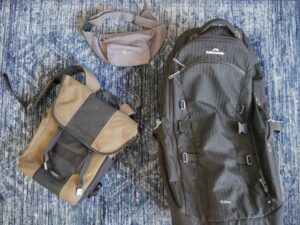

Solo backpacking loneliness in Australia is one of the most common and least-discussed challenges on the working holiday circuit — and it can strike even in the most vibrant, socially active hostel environments. You have taken the exhilarating leap: passport stamped, backpack on, and ready to forge your own path across one of the most extraordinary countries on earth. The freedom is real and the adventure is real. But so is the unspoken experience of feeling isolated even when you are surrounded by dozens of people. This guide covers why loneliness hits so hard on a solo working holiday, the specific triggers to recognise, practical strategies for building genuine community, and why regional farm work often provides the lasting tribe that urban backpacker life rarely does.
The Solo Traveler’s Paradox: Surrounded by People, Yet Alone
Solo travel removes the constant comfort of familiar company — and in doing so, creates genuine space for feelings of isolation that catch many working holiday makers completely off guard. Understanding the specific triggers of loneliness on a solo working holiday in Australia is the first step toward addressing it effectively.
Why Loneliness Hits Hard on the Road
- The “third wheel” phenomenon — arriving at a hostel to find established groups with their own social dynamics can make you feel like an outsider. It is easy to self-isolate rather than risk the discomfort of breaking into an existing circle.
- Constant goodbyes — the transient nature of backpacking means you form quick, intense bonds only to say goodbye as itineraries diverge. This repeated cycle of connection and loss can lead to “social fatigue” where you start pre-emptively avoiding deep connection to protect yourself from another departure.
- Communication and cultural adjustment — even in English-speaking Australia, adapting to local slang and cultural nuances takes time and can create hesitation in social situations, particularly in regional areas far from the familiar East Coast backpacker circuit.
- Social media comparison — scrolling through curated highlight reels while sitting alone in a dorm creates a false sense of inadequacy that makes your own reality feel less vibrant by comparison.
- Disrupted routine — constantly changing beds, towns, and social contexts removes the stability that humans naturally need to feel settled and connected.
Building Your Tribe: Practical Strategies for Genuine Connection
Combating solo backpacking loneliness in Australia requires proactive engagement rather than waiting for connection to come to you. You have to be the one to break the ice — consistently, especially in the first few days of any new environment.
1. Choose Your Base Wisely
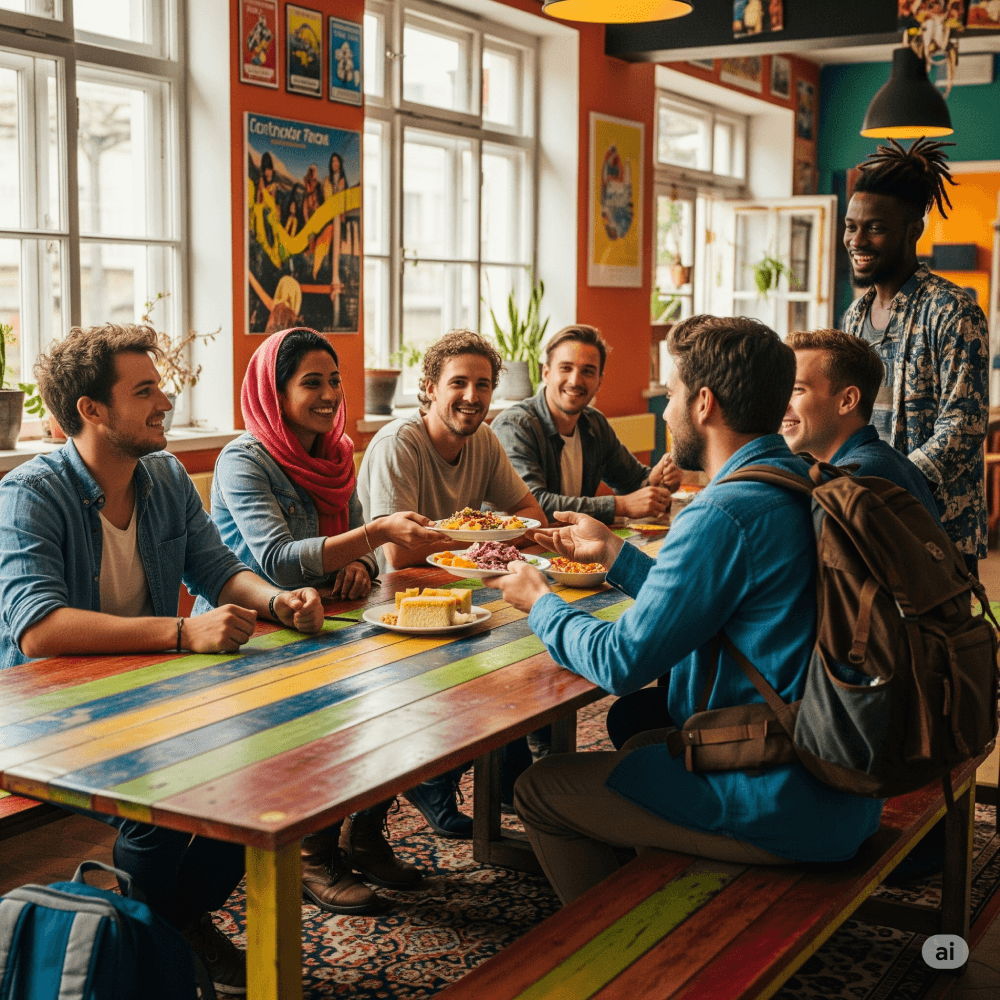
Hostels are the gold standard for social interaction on a working holiday — but not all hostels cultivate the same community energy. Look for accommodation with genuinely communal spaces rather than quiet, room-focused environments. When you arrive, resist the urge to retreat to your bunk with headphones. Head directly to the communal kitchen or common room — these are the social hearts of any hostel, and the easiest place to start a conversation with zero pressure. For tips on selecting the right gear to make yourself comfortable and relaxed in any hostel environment, check the Backpack Australia Resources Page.
2. Leverage Shared Experiences
Shared activities are consistently the fastest route from stranger to genuine friend. Participate actively rather than observing:
- Hostel events — pub crawls, BBQ nights, quiz sessions, and communal dinners are specifically designed to lower social barriers. Show up even when you don’t feel like it.
- Communal cooking — the hostel kitchen is where the most organic, unpressured conversations happen. Asking for a recipe or offering to share a meal is one of the oldest and most reliable backpacker icebreakers.
- Group tours — surf lessons, guided hikes, or day trips create smaller, contained social environments where deeper conversation develops naturally over shared activity.

3. Seek Out Regional Farm Work as a Community Builder
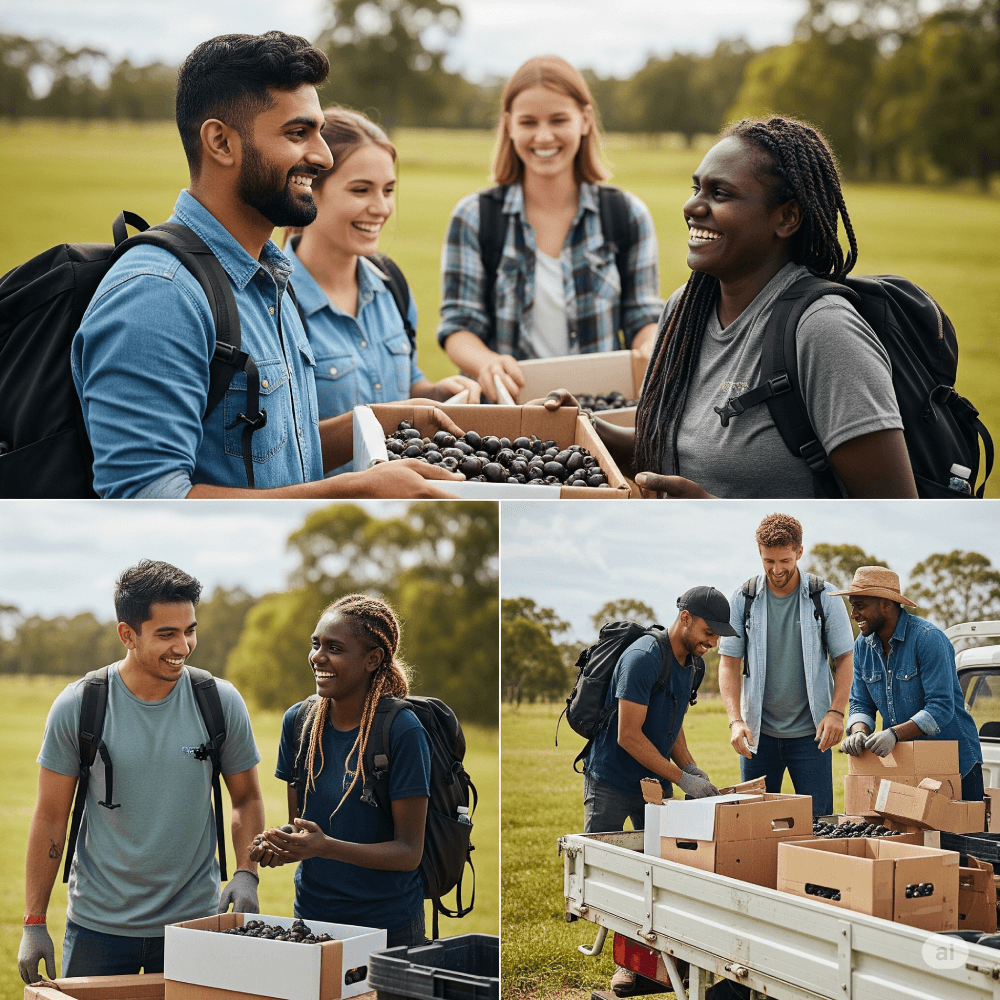
There is genuinely no better way to build a lasting travel tribe than through the shared experience of regional farm work. The intense, suffocating humidity of picking bananas in Tully, Queensland. The brutal 4:30 AM alarms and frost-bitten mornings of citrus harvest in Mildura, Victoria. The shared struggle of piece-rate targets and long physical shifts creates the kind of bonds that a hostel party never can.
Our team at Backpack Australia consistently observes this when helping travelers prepare for regional placements — a working hostel provides the routine, the consistent daily peer group, and the genuine shared adversity that transforms acquaintances into lifelong friends. The community formed during 88 days of regional farm work is frequently the most meaningful social network of the entire working holiday.
Embracing Solitude: Finding Strength in Your Own Company
There is an important distinction between loneliness and solitude. Loneliness is an unwanted absence of connection. Solitude is a chosen, purposeful period of self-renewal. Learning to use quiet time productively is an important part of managing solo backpacking wellbeing in Australia.
- Journaling — use quiet moments to process your experiences, track your personal growth, and document the observations that get lost in the noise of constant social engagement.
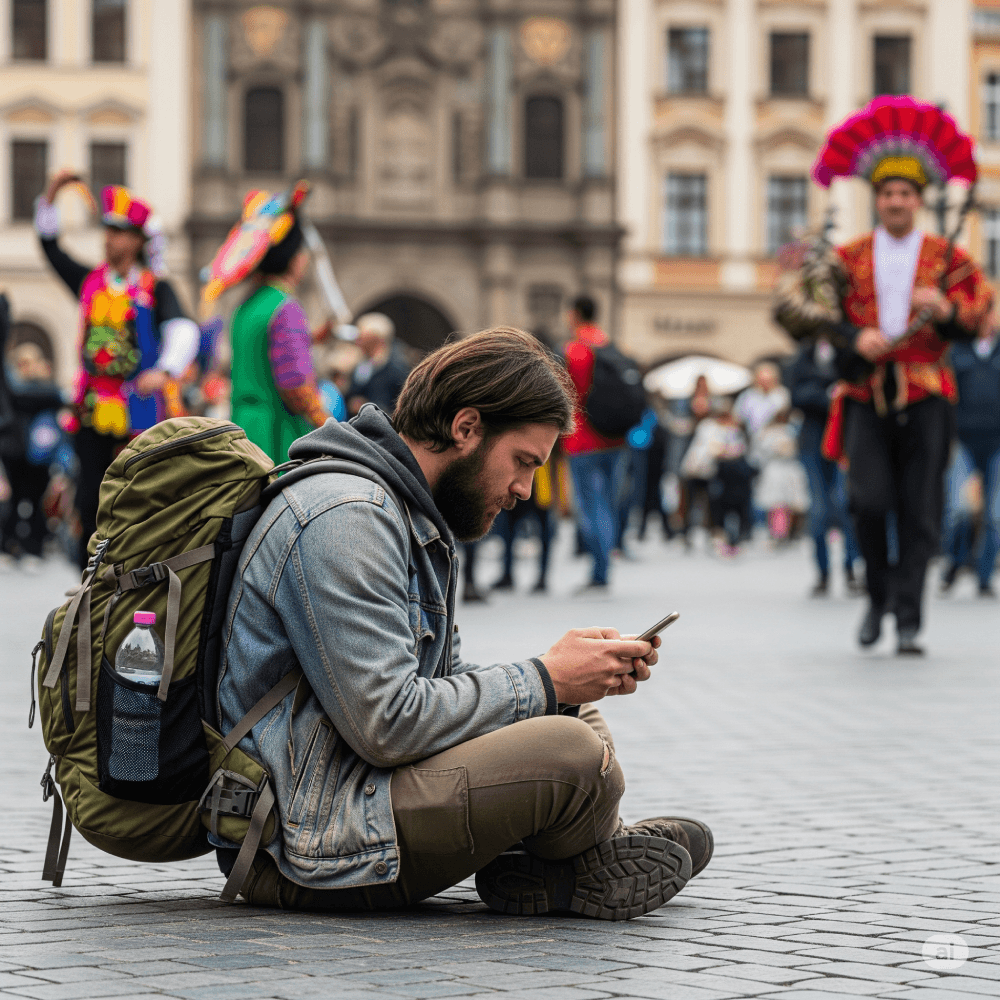
- Digital detox — schedule deliberate time away from your phone to be fully present in the Australian environment around you. The comparison culture of social media is one of the most consistent aggravators of travel loneliness.
- Find your comfort spot — identify a specific corner of your hostel, a local park, or a regular café where you feel at ease. Having a personal sanctuary allows you to recharge genuinely so you can return to social interactions with renewed energy rather than depleted reserves.
Frequently Asked Questions: Solo Backpacking Loneliness in Australia
Is it normal to feel lonely while travelling solo?
Completely normal — including for experienced travelers who have done multiple long trips before. The key is acknowledging the feeling rather than suppressing it or using busyness to avoid it, then taking one small, proactive step — introducing yourself to the person in the next bunk, sitting at a communal table — to shift your focus outward.
How do I handle the pressure of social media comparison?
Remember that social media is a curated highlight reel that nobody’s actual experience matches in real life. If you notice it is consistently affecting your mood negatively, take a deliberate week-long break from posting and scrolling. Focus on the lived experience rather than its documentation.
What should I do if I am struggling with my mental health while traveling?
Reach out to fellow travelers or hostel staff without hesitation — you are far less alone in this experience than it feels. Many hostels have local contacts or resources for travelers who are finding the social or emotional dimensions of extended travel difficult. If you are in genuine distress, Lifeline Australia is available 24 hours a day on 13 11 14.
Secure Your 88 Days and Build Community Through Work
One of the most effective and consistent solutions to solo backpacking loneliness in Australia is securing legitimate regional work quickly — because a farm placement with a working hostel gives you the daily routine, the peer group, and the shared purpose that urban backpacker life rarely sustains for more than a few weeks.
Thousands of travelers waste weeks sitting in expensive city hostels, searching fruitlessly for legitimate regional placements while their savings drain and their social isolation deepens. Backpack Australia has direct contact with over 4,000 eligible employers and connects with virtually all the legitimate working hostels across the country. We streamline the entire process — putting you directly into a verified placement where community and income arrive together, fast.
Sign Up for the Job Help Programme Newsletter to get immediate access to our exclusive employer and hostel networks today.
Conclusion
Overcoming solo backpacking loneliness in Australia is not about forcing constant extroversion — it is about proactive, intentional engagement with the environments and people around you, combined with the wisdom to use quiet time for genuine renewal rather than anxious isolation. Choose social accommodation, show up to communal spaces, seek regional farm work for the community it reliably creates, and reach for support when you need it. The lasting impact of your Australian adventure is not just the landscapes you visit — it is the resilience you build and the people you find along the way.