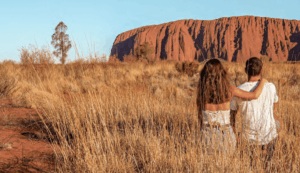

Mastering heat safety on your Australian working holiday is not a wellness nice-to-have — it is a medical and financial priority. The Australian sun is genuinely different from the sun in Europe or North America; UV radiation intensity here is among the highest in the world, and you cannot simply acclimatise to it over a few days. Whether you are preparing for your first week of fruit picking in the tropical humidity of Far North Queensland, completing your 88 days of regional work in the baking heat of inland Victoria, or planning a cross-country road trip through the outback, understanding how to navigate the Australian climate and the specific physical demands of regional agricultural labour is essential for staying safe, healthy, and on track for your visa extension. This guide gives you the authoritative, no-nonsense framework to make it through in good health.
Conquering the Climate: The Slip, Slop, Slap, Seek, Slide Protocol
Australia’s official sun protection protocol is not just a catchy slogan — it is a genuine survival framework for anyone doing extended outdoor work in Australian conditions. Following it consistently is the difference between a productive 88-day farm placement and a week off work recovering from heat exhaustion or severe sunburn.
Slip On Protective Clothing
When you are out in the field, forget the tank tops. You need loose-fitting, lightweight, long-sleeved shirts and long pants. Look for technical fabrics with a high UPF rating — these protect against UV while still allowing airflow in humid conditions. For durable, UPF-rated workwear recommendations suited to Australian regional farm environments, check the Backpack Australia Resources Page.
Slop On Sunscreen
Use broad-spectrum SPF 50+ sunscreen applied to all exposed skin every morning before starting work. If you are picking citrus in the heat of Mildura or hauling banana bunches through tropical humidity in Tully, you will sweat it off within hours. Reapply every two hours without exception, and immediately after any water exposure or heavy perspiration.
Slap On a Hat
A wide-brimmed hat is genuinely non-negotiable. It protects your ears and the back of your neck — the areas most prone to burning and most frequently missed by sunscreen application. A hat with a full brim also reduces eye strain and heat exhaustion onset during long outdoor shifts.
Seek Shade
Plan your most strenuous physical work for the early morning hours before the sun reaches its peak intensity. Take frequent, shaded breaks during midday and early afternoon. This is not laziness on a farm — it is a legitimate occupational health strategy that protects both your output and your long-term health.
Slide On Sunglasses
Ensure your eyewear meets Australian Standards (AS/NZS 1067) for UV protection. Long-term retinal damage from chronic unprotected sun exposure in Australian conditions is a real and well-documented risk — particularly for travelers spending months outdoors in agricultural environments.

Hydration and Heat-Related Illness: What Every Farm Worker Must Know
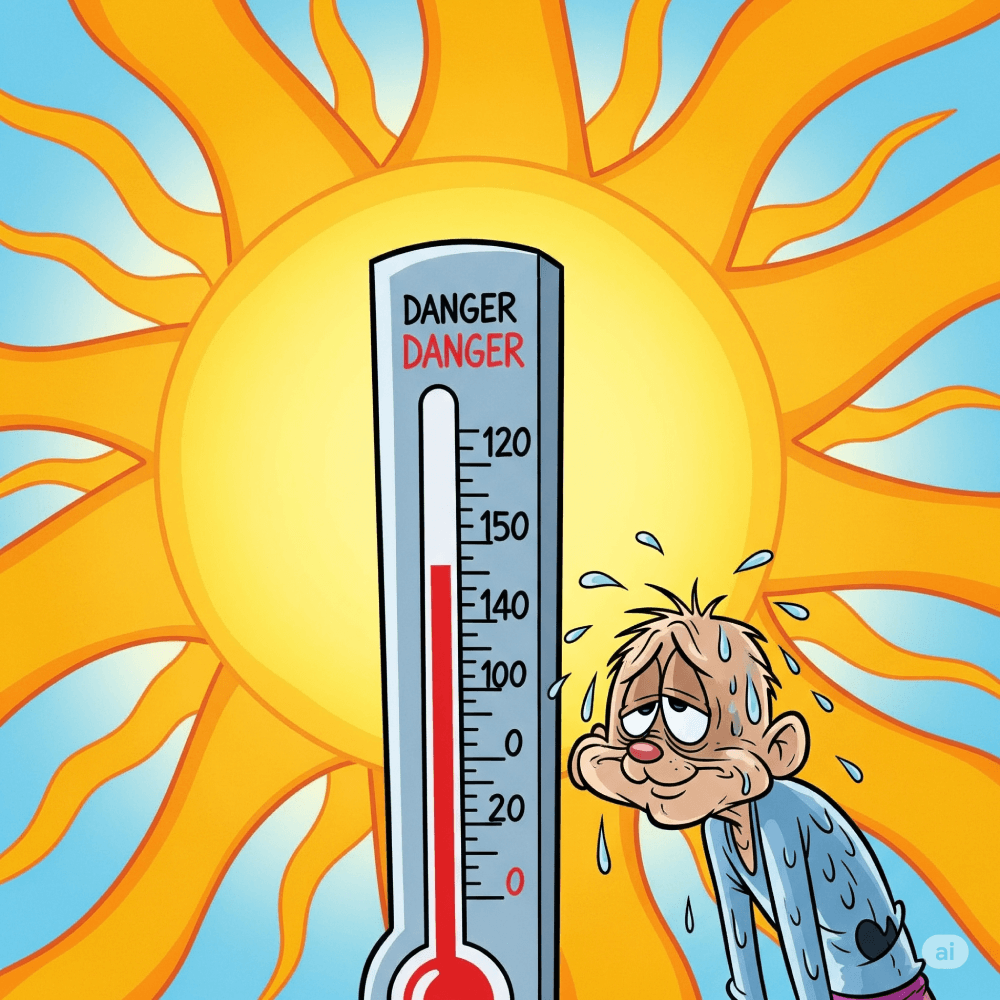
Dehydration is one of the most consistent and most preventable threats to working holiday farm workers in Australian heat. The combination of intense UV radiation, high humidity in tropical regions, and sustained physical exertion creates dehydration risk that significantly exceeds anything most travelers have experienced before.
- Drink before you are thirsty — thirst is already a signal of mild dehydration. By the time you notice it during a farm shift, you are already behind. Start hydrating before you leave for work in the morning and maintain it consistently throughout the day.
- Electrolyte replenishment — plain water is often insufficient during high-intensity outdoor labour. Incorporate electrolyte powders or tablets, particularly during banana harvesting in tropical northern regions or any sustained outdoor work in temperatures above 35°C.
- Recognise the warning signs early — heat exhaustion presents as nausea, dizziness, heavy sweating, and rapid pulse. If you experience these symptoms, stop work immediately, move to shade, and cool down with water. Heat exhaustion left untreated escalates to heatstroke.
- Heatstroke is a medical emergency — if a fellow worker stops sweating, becomes confused, loses coordination, or passes out, call 000 immediately. Heatstroke can be fatal. This is not a situation for waiting to see if they improve.
According to the Australian Government Department of Health, heat-related illness is a significant and preventable cause of hospitalisation, particularly among outdoor workers during summer months. Working holiday makers doing regional farm work represent one of the highest-risk groups precisely because they are unacclimatised to Australian heat conditions on arrival.
The Gritty Reality of Regional Farm Work on Your Working Holiday
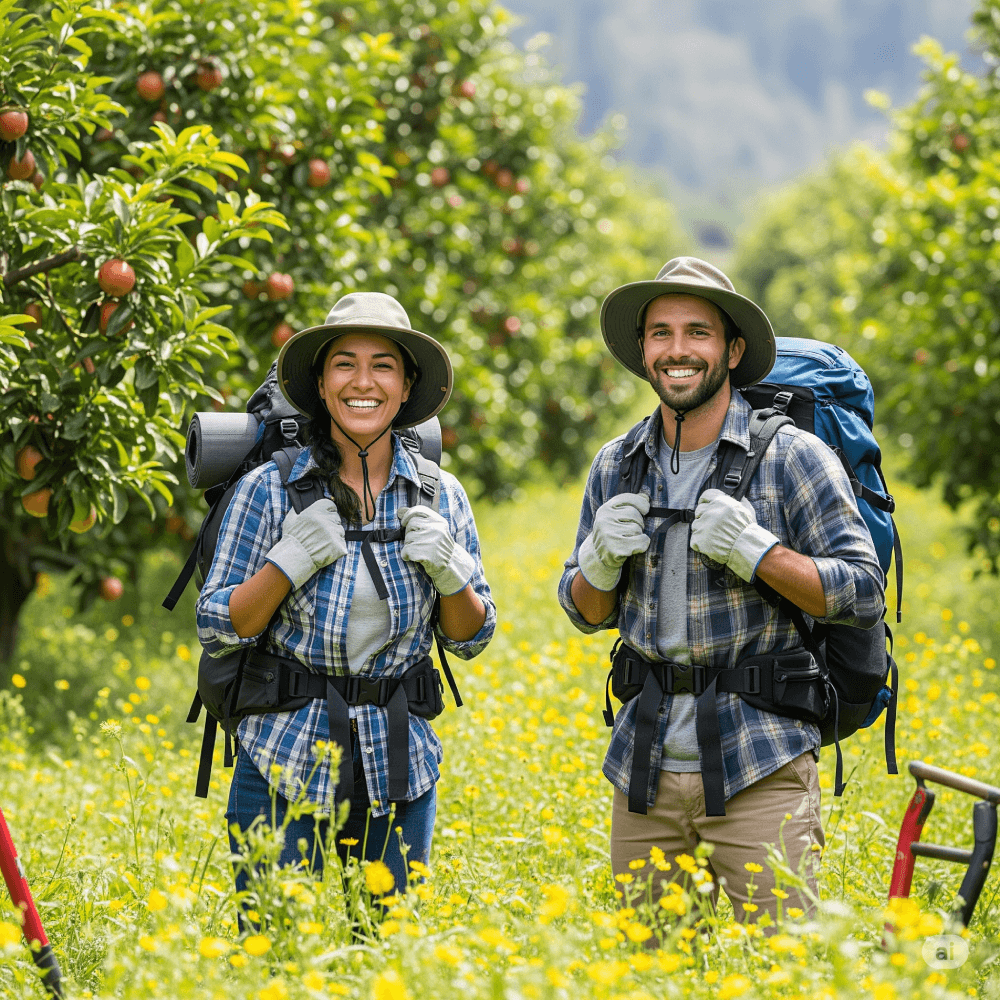
Understanding heat safety during your Australian working holiday is inseparable from understanding what regional agricultural work actually demands. This is often where reality hits home for unprepared travelers — farm work is hard, sustained, manual labour, not the pastoral Instagram experience depicted in working holiday promotional material.
Piece Rates vs. Hourly Pay
Be clear about your payment structure before you accept any farm placement. Piece rates reward speed — you are paid per bin, bucket, or kilogram — which can be highly lucrative for experienced, fit, acclimatised workers. For beginners, particularly in the first one to two weeks of physical adjustment, piece rates can produce income well below minimum wage. Hourly rates provide stability but typically require meeting strict performance KPIs to retain your position. Ask upfront, and cross-check your payslip against your own output records every pay cycle.
The Early Start
In most agricultural hubs, your day begins before sunrise to take advantage of the cooler morning hours — 4:30 AM alarms are standard, not exceptional. Physical readiness, adequate sleep, and proper pre-shift nutrition are all essential to performing at a level that justifies your piece-rate investment of time and physical energy.
Gear Preparation
Your boots, gloves, wet-weather gear, and sun protection will take a genuine physical beating in agricultural environments. Do not wait until you arrive at a remote farm to discover you have the wrong equipment. For a comprehensive gear list covering everything from steel-capped boots to hydration packs and UV-rated workwear, review the essential recommendations on the Backpack Australia Resources Page.
Frequently Asked Questions: Heat Safety and Regional Work in Australia
What is “specified work” for the Working Holiday Visa extension?
Specified work is employment in a designated regional area within approved industries — plant and animal cultivation, fishing, tree farming, mining, and construction are the main categories. Your specific role, employer, and postcode must all meet the eligibility criteria. Always verify current requirements directly with the Department of Home Affairs before accepting any placement, as these requirements are subject to change.
How do I know if a farm employer is legitimate?
Legitimate employers will always provide a verifiable Australian Business Number (ABN), issue compliant payslips, pay the legal minimum wage (or a legal piece-rate equivalent), and have a documented workplace safety process. Never work for cash-in-hand if you want the days to count toward your visa extension, and immediately report any employer who charges you a “job-finding fee” to Fair Work Australia — this practice is illegal.
What should I do if I am injured on the job?
Report the injury to your supervisor immediately and ensure it is documented in the workplace accident register. Seek medical attention regardless of whether the injury seems minor — agricultural injuries that appear small can worsen with continued physical work. Ensure your travel insurance policy covers workplace injuries in manual agricultural labour before your first shift.
Do all regional areas in Australia qualify for the visa extension?
No. Many major cities and their surrounding suburbs are specifically excluded. Your work must be located in an eligible postcode area as defined by the Australian Government for your specific visa subclass. Check the Department of Home Affairs website for the current approved postcode list rather than relying on employer assurances.
Secure Your Placement and Protect Your Visa Timeline
Wandering into a regional town and hoping to find a farm job through local notice boards or social media is an inefficient strategy that wastes weeks of precious visa time and puts you at risk of non-compliant employers. Every week without legitimate regional work is potential wages lost and visa days you cannot recover.
Backpack Australia has direct contact with over 4,000 eligible employers and connects with virtually all the legitimate working hostels across Australia. We know where the current harvest demand is, which employers are reliable and legally compliant, and which regions are actively hiring right now. Joining our system is faster and more reliable than any independent search — allowing you to knock out your 88 days quickly, maximise your earnings, and get back to the adventure.
Sign Up for the Job Help Programme Newsletter to get immediate access to our verified employer and hostel networks today.
Conclusion
Australia is a magnificent, vast country that demands genuine respect — from the intensity of its UV radiation to the physical demands of its agricultural labour. By applying the Slip, Slop, Slap, Seek, Slide protocol consistently, recognising heat-related illness early, understanding your farm work payment structure, and accessing legitimate regional placements through trusted networks, you transform the most challenging parts of your working holiday in Australia into a genuinely rewarding rite of passage. Sign up, secure your work, stay sun-safe, and get back to living the Australian dream.