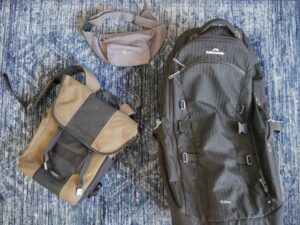

Backpacker burnout in Australia is one of the least-discussed and most consistently underestimated threats to a successful working holiday. You have landed with passport stamped, backpack cinched, and every fibre buzzing with excitement — and it is entirely natural to want to do everything at once. But here is the truth that thousands of working holiday makers discover the hard way: the relentless pace of non-stop travel, combined with the genuine physical demands of regional farm work, can tip you into burnout faster than you expect. When that happens, the vibrant colours of Australia start to look grey, the opportunities feel overwhelming, and even the thought of packing your bag for the next destination is exhausting. This guide covers why this happens, what it costs you financially on piece-rate farm work, and the practical strategies that keep your working holiday sustainable from the first week to the last.
The Backpacking Paradox: Why More Is Not Always Better
The appeal of a packed itinerary makes intuitive sense — you have traveled across the world and you want to experience everything. But the unique, high-energy nature of long-term backpacking makes a relentless pace deeply counterproductive, particularly on a working holiday that requires physical farm work.
Physical Exhaustion and Burnout
Constant movement — packing, unpacking, long transit hours, inconsistent sleep in noisy dorms, and poor nutrition from quick snacks — drains your physical reserves continuously without adequate recovery. The result is persistent fatigue, increased susceptibility to illness, and a complete lack of energy to appreciate the environments you have traveled to experience.
Mental and Emotional Overload
Backpacking means continuously processing new information, navigating unfamiliar cultures, and making an endless stream of daily decisions. This leads to decision fatigue, irritability, and anxiety that compounds over weeks. The “wow” factor diminishes rapidly when you are mentally exhausted — and on piece rates, mental fatigue directly reduces your physical speed and daily income.

Budget Strain
A fast-paced itinerary leaves little time for budget-friendly options like hostel kitchen cooking. The result is reliance on expensive takeaways and last-minute transport bookings that rapidly deplete your working holiday savings — precisely the funds you need to finance your 88-day regional work requirements.
Missed Connections and Diminished Appreciation
Rushing through destinations means seeing things without genuinely experiencing them. A rigid, overpacked schedule leaves no room for the spontaneous discoveries and deeper human connections that define the most memorable working holiday experiences.
The Specific Cost of Burnout During Regional Farm Work
When it comes to avoiding backpacker burnout in Australia, the stakes are highest during your 88 days of regional agricultural work — because on piece rates, your physical and mental state directly determines your paycheck.
Imagine picking bananas in the suffocating humidity of Tully, Queensland — hauling heavy bunches through thick mud while navigating the wildlife that shares the plantation. Or picture yourself in Mildura, Victoria, alarm going off at 4:00 AM with the morning frost biting at your fingers, spending 10 hours climbing ladders with a heavy picking bag strapped to your chest. If you show up to either of these environments sleep-deprived, hungover, or suffering from travel burnout, you will struggle to reach minimum wage on piece rates — let alone save money for your next road trip.
Managing your energy is the secret to thriving in Australian agricultural work. Our team at Backpack Australia consistently gives this advice when helping travelers prepare for regional placements, because physical readiness is as important as showing up on time. For steel-capped boots, UV-protective clothing, and hydration gear that reduces physical strain during shifts, check the Backpack Australia Resources Page.

Practical Strategies for Avoiding Backpacker Burnout in Australia
The goal is not to abandon your ambitions — it is to integrate strategic rest so you can sustain the pace across the full working holiday without breaking down halfway through.
1. Prioritise Sleep Without Apology
Quality sleep is the most effective antidote to both physical and mental fatigue. Aim for seven to eight hours per night as a genuine target, not an aspiration. Use earplugs and an eye mask to manage noisy dorm environments. Stop sacrificing sleep for late-night socialising — particularly during your farm work placement, where the quality of your sleep the night before directly determines your earnings the next day.
2. Embrace Slow Travel Over Constant Movement
Instead of rushing through a destination in one or two days, aim to stay for three to five days or longer. This approach dramatically reduces transit stress and the cognitive load of constant re-orientation, allows for deeper cultural immersion, and provides a sense of daily routine that your body and mind genuinely crave during long-term travel. Accept that you cannot see every corner of Australia in a single working holiday — and stop trying.
3. Schedule Dedicated Rest Days
Deliberately build full rest days into your itinerary. These are not travel days and they are not activity days — they are for laundry, journaling, cooking a proper meal, or genuinely doing nothing. Do not feel guilty about taking a day off from being a tourist. If you are doing physically demanding farm work, your days off must be reserved for genuine muscle recovery, not ambitious weekend road trips.
4. Balance Socialising with Deliberate Solitude
Making genuine connections is a central part of the working holiday experience — but constant social interaction is cognitively exhausting. Feel empowered to retreat to your bunk, take a solo walk, or spend an afternoon reading when your social battery is empty. Sustainable socialising requires protected periods of quiet recovery.
5. Implement Digital Detox Moments
Constant screen time and the pressure to make every moment look epic for social media contributes substantially to the mental fatigue that accelerates burnout for backpackers in Australia. Designate specific tech-free periods — leave your phone in your locker when exploring a new neighbourhood, ban screens during meals, and prioritise the actual sensory experience of being somewhere extraordinary over its documentation.

Frequently Asked Questions: Managing Burnout on an Australian Working Holiday
How many rest days should I take while backpacking Australia?
Aim for one full rest day for every seven to ten days of active travel as a minimum baseline. If you are doing physically demanding regional agricultural work, your allocated days off must be strictly reserved for muscle recovery and practical life admin — not ambitious weekend road trips on top of a demanding physical week.
How do I eat well on a tight backpacker budget to avoid fatigue?
Use hostel communal kitchens consistently to batch-cook nutrient-dense meals — pasta bakes, stir-fries, lentil soups, and rice dishes all stretch significantly further than daily takeaways. Team up with fellow backpackers to split grocery costs. Sustained energy from proper nutrition is one of the most direct and affordable investments you can make in your farm work performance.
What happens if I push through physical exhaustion during farm work?
Pushing through severe physical pain or exhaustion in an agricultural environment risks serious injury, heatstroke, or complete burnout that forces you off the farm for days or weeks. Any of these outcomes directly threatens your visa extension timeline and your daily income. Listen to your body, stay adequately hydrated, and genuinely rest when needed.
Fast-Track Your 88 Days and Eliminate the Biggest Source of Stress
The biggest single trigger of backpacker burnout in Australia is often not the travel itself — it is the stress and financial drain of trying to find legitimate regional work independently. Weeks or months spent in expensive city hostels scrolling dodgy Facebook groups and sending unanswered resumes drain your savings and your motivation simultaneously before your visa extension even starts.
Backpack Australia has direct contact with over 4,000 eligible employers and connects with virtually all the legitimate working hostels across Australia. We take the guesswork, the scams, and the waiting out of the equation entirely — allowing you to knock out your 88 days fast, start earning immediately, and get back to the adventure without the crushing anxiety of a ticking visa clock.
Sign Up for the Job Help Programme Newsletter to get immediate access to our exclusive employer and hostel networks today.
Conclusion: Travel Smart, Work Hard, Rest Deeply
Avoiding backpacker burnout in Australia is not about scaling back your ambitions — it is about building the recovery time that makes ambitious goals genuinely achievable across a full working holiday. Manage your pace deliberately, understand the energy demands of regional farm work on piece rates, protect your sleep as a non-negotiable priority, and access trusted employment networks that eliminate the stress of going it alone. Travel smart, work hard, and rest deeply — that combination consistently produces the most sustainable, rewarding, and genuinely memorable Australian adventures.