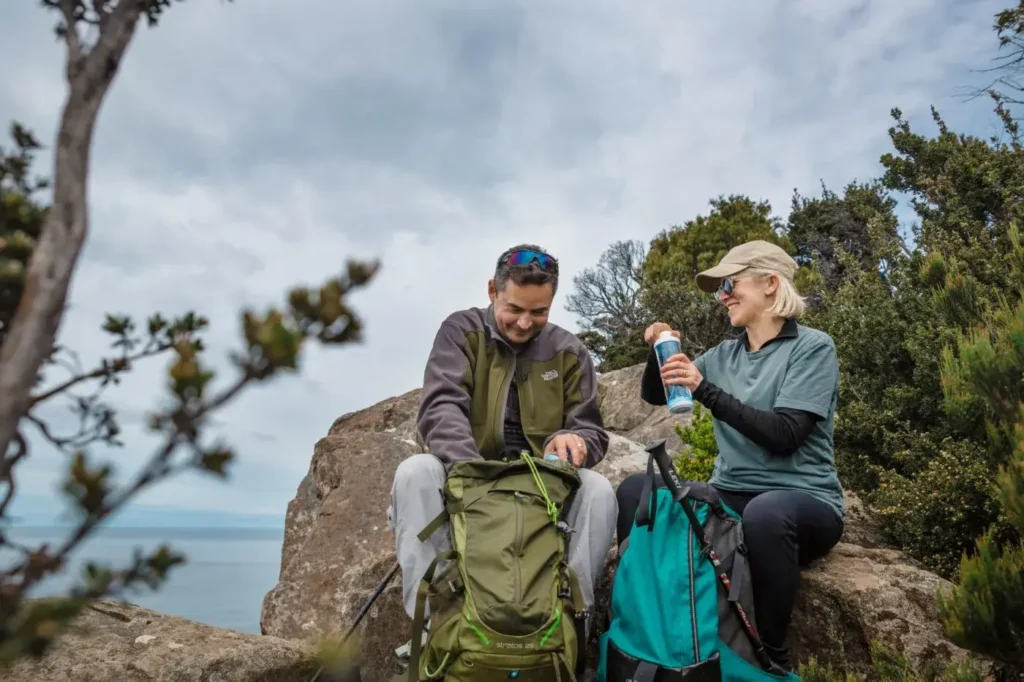
Getting your backpacker clothing right for Australia is not just about comfort — it is a direct financial strategy. When you are getting paid on piece rates — per bin, per bucket, per kilogram — your mobility and physical endurance determine your daily income. Chafing from heavy denim, blisters from cheap footwear, and overheating from inadequate ventilation all slow you down and reduce your earnings. Australia is not a single climate — it is a continent spanning tropical humidity, scorching outback heat, temperate southern conditions, and genuine alpine cold — and packing clothing suited to the specific regions and work you plan to do is one of the most underestimated preparations any working holiday maker can make. This guide covers the mistakes to avoid, the climate-by-climate packing breakdown, and the farm work gear that protects both your safety and your income.
The Heavy Toll of Impractical Clothing on Your Working Holiday
The most common backpacker clothing mistakes in Australia are not just uncomfortable — they are expensive. Our team at Backpack Australia sees the same errors every season when helping travelers prepare for regional jobs.
- The denim disaster — jeans are heavy, offer minimal ventilation in heat, and take hours or days to dry in hostel laundries. In humid farm environments, wet denim causes severe chafing. On piece rates, chafing slows you down and costs you money.
- The cotton trap — thick cotton socks stay damp and cause blisters. In humid regional environments, perpetually damp clothing causes chafing and fungal skin infections that can take you off the farm entirely.
- The footwear failure — flip-flops and fashion sneakers lead to foot pain, sprained ankles on uneven agricultural terrain, and dangerous vulnerability to snake and spider bites in long grass and orchards.
- The sun protection deficit — tank tops and baseball caps that leave your neck and ears exposed cause severe sunburn, heat exhaustion, and long-term skin damage under Australia’s genuinely intense UV levels. This is not a cosmetic concern — heatstroke on a farm costs you shifts and income.
- The overpacking burden — fashion items with no functional versatility take up valuable pack space, add weight, and rarely see use once you are settled into regional work and hostel life.
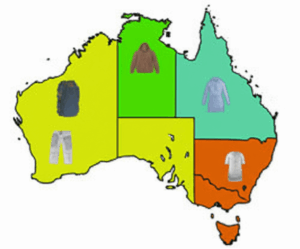
Dressing for Regional Work: Climate Zone by Climate Zone
Australia’s regional agricultural zones span dramatically different conditions, and your working holiday clothing needs to match the specific zone you are heading into — not a generic idea of Australian summer.
The Hot and Humid Tropics: Cairns, Darwin, and Tully
If you are completing your 88 days by picking bananas in Tully, Queensland, or doing seasonal work in the Darwin region, you are dealing with suffocating humidity, intense heat, and torrential wet season rainfall from November to April.
- Fabrics — moisture-wicking quick-dry synthetics (polyester or nylon blends), linen, or lightweight cotton. Avoid anything that holds moisture against your skin.
- Coverage — long sleeves and pants despite the heat. They protect against sun, sharp vegetation, and the relentless mosquitoes and sandflies that peak at dawn and dusk during farm shifts. Light colours reflect heat rather than absorbing it.
- Footwear — breathable mesh hikers or water shoes that drain and dry quickly. Avoid heavy leather boots that rot in constant dampness.
- Extras — a lightweight packable rain jacket for sudden heavy downpours and a fly net hat for insect protection during outdoor work.
The Scorching Outback: Uluru, Broome, and Alice Springs
Extreme daytime temperatures, intense solar radiation, minimal shade, and significant overnight cold snaps characterise outback Australia.
- Fabrics — lightweight, breathable natural fibres (linen, light cotton) perform well in dry outback heat. Avoid anything that traps body heat.
- Sun protection — wide-brimmed hats with neck protection, long sleeves, and long pants are mandatory, not optional. UV levels in central Australia are among the highest on earth.
- Footwear — sturdy closed-toe hiking boots for uneven terrain and protection against snakes and spiders, which are prevalent in outback scrub environments.
The Temperate South and Alpine Regions
Citrus picking in Mildura, Victoria, vineyard work in the Barossa, or any alpine work brings genuinely cold conditions — including sub-zero frosts before dawn during winter harvests.
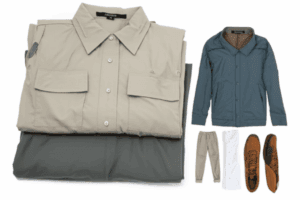
- Temperate solution — layers are essential. Versatile t-shirts, long-sleeved tops, a fleece or hoodie, and a waterproof outer layer. Convertible zip-off travel pants that work across multiple temperature ranges are ideal.
- Alpine solution — technical merino or synthetic thermal base layers, a fleece or down mid-layer, and a windproof, waterproof outer shell. Beanies, gloves, and thick quick-dry socks are necessary, along with waterproof hiking boots with proper grip on frost-covered surfaces.
Whenever you need to upgrade your kit for any of these zones, check the Backpack Australia Resources Page for vetted, trail-tested gear recommendations specific to Australian regional conditions.
The Complete Backpacker Clothing List for Australia
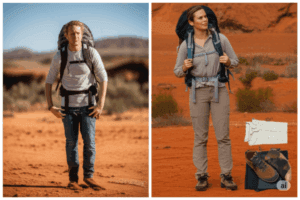
The goal of your Australia working holiday clothing list is maximum versatility, minimum weight, and complete durability. Every item should serve at least two distinct purposes.
Tops and Bottoms
- 2–3 quick-dry t-shirts or tanks in merino wool or synthetic blend
- 1–2 long-sleeved sun shirts with UPF 50+ rating — essential for sun protection and doubling as a base layer in cooler conditions
- 1 lightweight fleece or hoodie for cooler evenings and southern regions
- 1–2 versatile convertible travel pants — lightweight, quick-drying, and climate-adaptable
- 1 pair of shorts and 1 swimsuit for hot days and beach access
Outerwear, Footwear, and Accessories
- 1 lightweight packable waterproof/windproof rain jacket
- 1 pair of sturdy, closed-toe hiking shoes — broken-in before your trip, supportive, and versatile across most terrains
- 1 pair of casual sandals — for beach access, hostel showers, and genuine downtime only
- 5–7 pairs of quick-dry socks and underwear in synthetic or merino blends — never cotton for long walking days
- 1 wide-brim hat — non-negotiable for any outdoor work in Australia
- UV-protective sunglasses
- A versatile buff or scarf for sun, dust, and wind protection
- A beanie and lightweight gloves for southern region and alpine cold snaps
Farm Work PPE
If you are tackling regional farm or construction work, specific personal protective equipment is mandatory under Australian safety law — not optional:
- Steel-capped work boots
- High-visibility work shirts
- Heavy-duty work trousers or durable long pants
These items can be purchased from local Kmart, Target, or specialist workwear stores once you know the specific requirements of your placement — you do not need to import them from home.
Frequently Asked Questions: Backpacker Clothing and Farm Work Gear in Australia
Do I need to buy all my farm gear before I arrive?
Not entirely. High-quality hiking boots and UPF sun shirts are worth bringing from home. Heavily specialised PPE like steel-capped boots and high-vis shirts is best purchased in Australia once you secure your specific job and confirm what the farm legally requires.
Why are long sleeves recommended in 40-degree heat?
A loose-fitting, lightweight, long-sleeved shirt actually keeps you cooler than a tank top by blocking UV rays before they reach your skin — preventing sunburn and heat exhaustion rather than trapping heat. It also provides a physical barrier against sharp vegetation and biting insects during dawn and dusk farm shifts.
What happens if I show up to a regional farm job in sneakers and denim?
Many regional positions require specific PPE to comply with Australian workplace safety laws. Arriving in inappropriate attire can result in being sent home before your first shift begins. Working in denim also restricts movement, causes chafing, and directly reduces your piece-rate speed — and therefore your daily income.
Fast-Track Your 88 Days While Wearing the Right Gear
Knowing what backpacker clothing to pack for Australia sets you up to work effectively — but finding legitimate, fair-paying regional work to actually use that gear in is the other half of the equation. Every week spent in an expensive city hostel trying to navigate the regional job market alone is savings drained and potential wages permanently lost.
Backpack Australia has direct, established contact with over 4,000 eligible regional employers and connects with virtually all the legitimate working hostels across the country. We take the guesswork out entirely — putting you directly in front of employers who need workers right now so you can knock out your 88 days fast, stack your bank account, and get back to the adventure.
Sign Up for the Job Help Programme Newsletter to get immediate access to our exclusive employer and hostel networks today.
Conclusion
Smart backpacker clothing choices for Australia are an investment in your safety, your physical comfort, and your financial success on the working holiday circuit. Leave the heavy denim at home, prioritise quick-dry layers that work across multiple climates, respect the intensity of Australian UV exposure, and source your farm work PPE locally once you know what each placement requires. Equip yourself with the right gear and the right job connections, and your working holiday will be the adventure — and the income — of a lifetime.