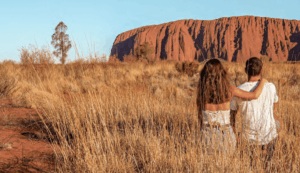
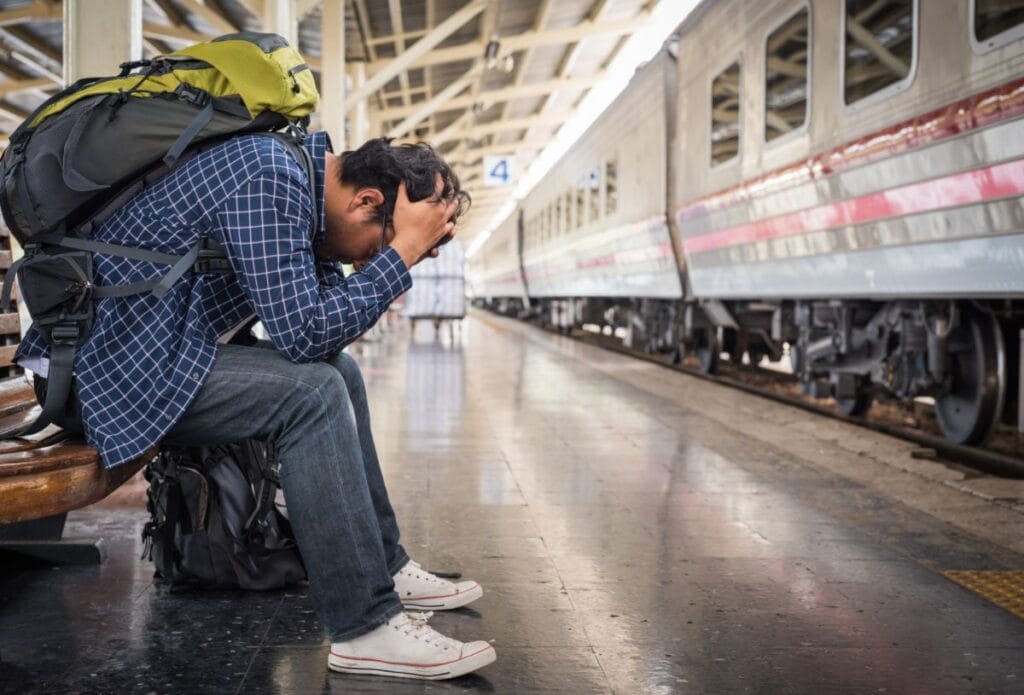
Knowing the mistakes to avoid backpacking Australia before you land is genuinely one of the highest-value things you can do for your working holiday. Waking up to waves crashing on pristine beaches, spending days exploring dense rainforests, and evenings under a desert sky full of stars — Australia delivers all of this and more. But the land down under holds unique challenges even for experienced travelers, and every adventure comes with its own rules and potential missteps. This guide covers the ten critical errors that consistently catch out unprepared backpackers — from visa and farm work confusion to outback distances, sun exposure, ocean safety, and wildlife risk — and exactly how to avoid each one.
1. Failing to Secure Proper Work Authorisation and Misunderstanding Farm Work
Many backpackers extend their stay by taking up casual work, but working illegally in Australia results in severe penalties and potential deportation. Ensure you have the correct visa before accepting any employment. Beyond visa compliance, many travelers vastly underestimate the physical realities of regional agricultural work. Earning your 88 days for a visa extension is not a hobby-farm experience — it requires genuine grit.
- Prepare for the climate — you might battle suffocating humidity hauling banana bunches in Tully, Queensland, or face frost-bitten early mornings picking citrus in Mildura, Victoria, often within the same trip.
- Understand your pay structure — know the difference between hourly wages and piece rates (paid per bin or bucket picked) before accepting any role. Unscrupulous contractors rely specifically on travelers who do not understand their rights or fair picking rates.
- Be strategic about employer selection — our team at Backpack Australia uses this practical advice when helping travelers prepare for regional jobs, ensuring they connect with legally compliant employers who actually pay what they owe.
2. Underestimating Distances and Outback Conditions
Australia’s sheer scale is consistently deceiving on a map. Distances between destinations are far greater than they appear, and outback conditions are genuinely harsh. Driving across a single state can take days, not hours.
- Always overestimate the time required for hikes and road trips.
- Ensure your vehicle is properly equipped and serviced for long-distance regional travel.
- Carry sufficient water and emergency supplies at all times — a minimum of 10 litres per person for any remote drive.
- Always inform someone of your travel plans before venturing into remote areas, including your expected route and arrival time.
3. Ignoring the Sun’s Genuine Strength
Under the Australian sun, UV levels reach genuine extremes. The thinner ozone layer over this part of the world means you burn faster here than almost anywhere else on earth. A single day without proper protection can produce severe sunburn or heatstroke.
- Always wear broad-spectrum SPF 50+ sunscreen, a protective wide-brim hat, and UV-protective clothing.
- Hydrate significantly more than you think you need to — heat-related dehydration arrives faster than expected.
- Avoid direct sun exposure during peak midday hours wherever your schedule allows.
- Reapply sunscreen every two hours, and immediately after swimming or heavy sweating.
For trusted sun protection gear and hydration packs built for Australian conditions, check the Backpack Australia Resources Page.

4. Overlooking the Risk of Wildlife
Wildlife encounters are genuinely exciting, but Australian wildlife — venomous snakes and spiders in particular — poses real risk. Most animals actively avoid humans, but accidental encounters happen when attention lapses.
- Stay aware of your immediate surroundings, especially in long grass or near logs and rock piles.
- Never poke around under rocks or fallen logs.
- Always check footwear before putting it on, particularly outdoors or at a farm placement.
- Learn basic first aid for bites and stings before you need it, not during the emergency.
5. Neglecting Ocean and Water Safety
Australia’s beaches are stunning but genuinely dangerous in ways that are not always visible. Rip currents are common and frequently invisible to the untrained eye, and being caught in one is a terrifying — and occasionally fatal — experience.
- Always swim in designated areas monitored by lifeguards.
- Swim strictly between the red and yellow flags, which indicate the actively patrolled section of beach.
- Heed all posted warning signs without exception, regardless of how calm the water appears.
- Learn to identify rip currents and how to escape one safely — swim parallel to the shore rather than fighting directly against the current.

6. Overlooking Local Environmental Regulations
Australia’s diverse ecosystems are protected by strict environmental laws that may differ significantly from regulations in your home country. Ignoring them leads to hefty fines and genuine harm to fragile ecosystems.
- Stay informed about local regulations regarding camping, fires, and wildlife interaction — available at visitor centres and from local authorities.
- Stick to marked trails and designated campgrounds; straying damages delicate flora and fauna that take years to recover.
7. Disrespecting Aboriginal Culture and Sacred Sites
Australia’s Aboriginal sites are both culturally sensitive and frequently legally protected. Indigenous Australians hold a deep, spiritual connection to the land that spans tens of thousands of years.
- Educate yourself about Aboriginal customs and history before visiting significant sites.
- Approach sacred sites with genuine respect and always follow posted local guidelines.
- Participate in guided tours where available to understand the deeper significance of these locations authentically.

8. Forgetting to Check Mobile Coverage
Assuming continuous mobile coverage as you venture into regional and remote areas is a significant mistake. Once you leave major highways or coastal cities, cell service frequently disappears entirely.
- Plan proactively for zones with limited or no coverage before you depart.
- Download offline digital maps and essential travel information in advance.
- For genuinely remote outback travel, consider a satellite phone or a Personal Locator Beacon for emergencies.
9. Skimping on Travel Insurance
Travel insurance feels like an unnecessary expense right up until the moment you need it. In a country known for extreme sports and remote territories, going without it is a genuinely costly mistake — a single helicopter medevac from a remote hiking trail can cost tens of thousands of dollars.
- Choose comprehensive insurance covering medical expenses, emergency evacuation, and theft or loss of belongings.
- Read your policy’s Product Disclosure Statement carefully to confirm it covers the specific activities you plan to undertake — including manual agricultural labour if completing farm work.

10. Packing Improperly
Overpacking, underpacking, or simply packing the wrong items starts your trip off badly. Lugging a 25-kilogram hardshell suitcase onto a regional farm transport minibus is a logistical nightmare worth avoiding entirely.
- Pack light but strategically — layered clothing for changing climates and gear suited to a genuine variety of activities.
- Essentials include a quality backpack, sturdy walking shoes, and versatile clothing that works across multiple climates and contexts.
For reliable, durable gear that won’t break the bank, browse the Backpack Australia Resources Page.
Frequently Asked Questions: Avoiding Mistakes While Backpacking Australia
How early should I start looking for my 88 days of farm work?
Do not leave this until the last minute. Start looking at least four to five months before your current visa expires. Regional work is highly seasonal, and weather events like floods or droughts can unexpectedly delay harvest timing across entire regions.
What is a piece rate agreement?
A piece rate means you are paid by the amount you pick, pack, or prune — per bin of apples, for example — rather than an hourly wage. By law, the piece rate must allow an average competent worker to earn at least 15% above the minimum hourly wage. Always track your own bins and hours meticulously and cross-check them against your payslips.
Can I drink the tap water in Australia?
Yes, in major cities and most regional towns, tap water is completely safe to drink. In very remote outback roadhouses or national parks, water may come from a bore and be labelled “non-potable.” Always read posted signage above any tap before drinking.

Stop Wasting Time: Fast-Track Your Working Holiday
The biggest mistake of all is the opportunity cost of time. Every day spent in an expensive city hostel scrolling outdated job boards is a day bleeding cash and missing potential wages. It is genuinely foolhardy to navigate dodgy contractors, seasonal shifts, and unanswered emails entirely independently.
Backpack Australia has direct contact with over 4,000 eligible employers and connects with virtually all the working hostels across Australia. Joining our system removes the guesswork — lock in reliable, legitimate work, knock out your 88 days fast, start earning sooner, and secure your visa extension without the stress.
Sign Up for the Job Help Programme Newsletter to get immediate access to our exclusive employer and hostel networks today.
Conclusion
Backpacking across Australia is a profound, genuinely life-changing rite of passage. By avoiding these critical mistakes when backpacking Australia — respecting the harsh but beautiful environment, understanding local laws and cultural protocols, and taking a strategic approach to your working holiday requirements — you guarantee a journey filled with incredible memories rather than stressful, avoidable mishaps. Read the conditions, pack smart, wear your sunscreen, and embrace the adventure of a lifetime.