
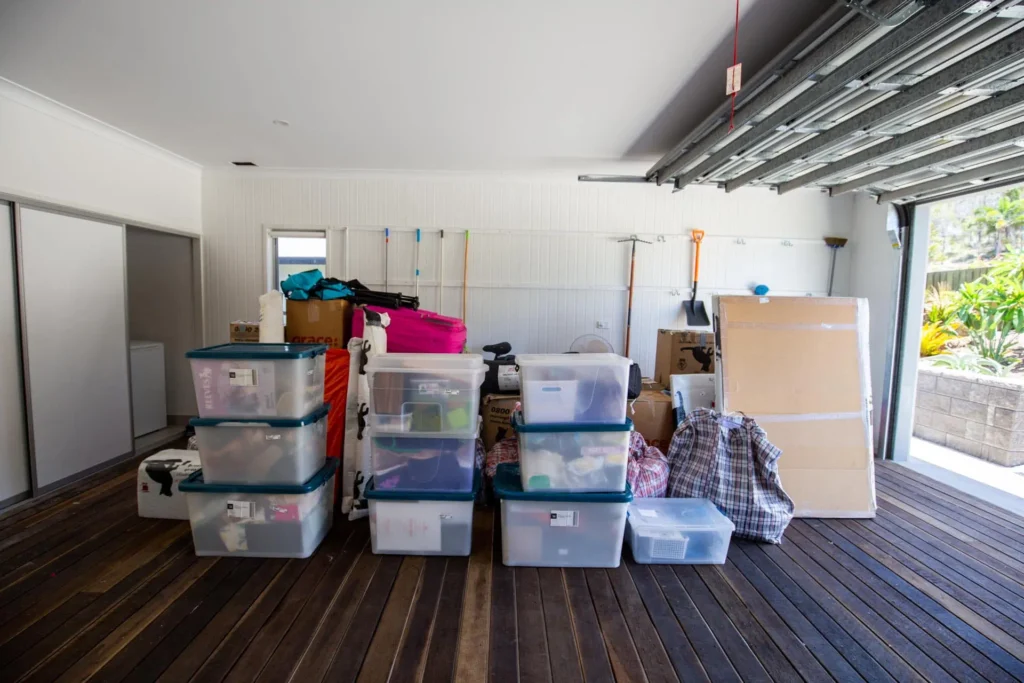
Shipping items home from Australia is a rite of passage that most working holiday makers eventually face. You arrived with a neatly packed 60-litre bag. Six months later you are drowning in opals, Aboriginal art, accumulated clothing, and heavy winter gear you have not touched since Melbourne. When you are waking up at 4:30 AM to pick citrus on piece rates in Mildura, or hauling banana bunches through the humidity of Tully, agility matters — and a 30-kilogram bag bursting at the seams in a cramped working hostel dorm is the last thing you need. This guide walks you through exactly how to identify what to send, which shipping service to use, how to pack a box that survives international freight, and how to navigate Australian customs without triggering delays or fines.
Step 1: The Ruthless Cull — What to Actually Ship Home from Australia
Before you look at a single cardboard box, audit your backpack honestly. The first decision in shipping items home from your Australian working holiday is identifying what genuinely deserves the cost and effort of international freight versus what should be sold, donated, or left at a working hostel free shelf.
Sorting, Selling, and Storing
- Evaluate actual value — be ruthless. Consider sentimental value, replacement cost, and fragility. For some items, it is genuinely cheaper to replace them at home than to pay international freight. For others — handmade Indigenous art, opals, meaningful gifts — shipping is clearly worth it.
- Sell locally first — platforms like Gumtree and Facebook Marketplace, as well as local markets, are excellent outlets for items you no longer need but that have resale value. Heavy camping gear, surfboards, and bulky winter clothing move well locally and yield cash you can spend on the road rather than on shipping.
- Consider short-term storage — if you are mid-trip and not ready to send things home, many Australian cities have flexible storage facilities catering specifically to working holiday makers. Storing rather than shipping gives you the option to pick items up if your plans change.
- Create a customs inventory — before anything goes in a box, make a detailed list of every item, its approximate value, and a brief description. This is not optional — it is required for customs documentation and speeds up the process at both ends significantly.
When you are downsizing your bag and figuring out what farm gear to keep versus send, check the Backpack Australia Resources Page for recommendations on durable, compact regional work essentials that earn their place in your pack rather than ending up in a shipping box.

Step 2: Understanding Your Shipping Options
There are two primary avenues for shipping items home from Australia as a backpacker, and choosing between them comes down to your budget, timeline, and how much you are sending.
Australia Post
Australia Post is the most accessible and widely used option for backpackers shipping personal items internationally. Post offices are everywhere — including in most regional towns near major agricultural hubs — and the service is reliable for standard parcels. Their International Economy service is the most affordable option for non-urgent, non-fragile items, while International Express suits items that need to arrive quickly. Use the Australia Post website’s postage calculator to compare rates by destination and weight before committing, and always add tracking to any parcel you care about.
Private Couriers: DHL, FedEx, and UPS
Private courier services offer faster transit times and generally more robust tracking systems than Australia Post, but at a significantly higher price point. They are worth considering for fragile, high-value, or time-sensitive items — particularly if your home country’s postal system has reliability issues. Get quotes from multiple couriers and compare them against Australia Post’s rates for your specific parcel dimensions and weight before deciding.
Cost-Saving Strategies for International Shipping from Australia
- Send one large box rather than several small ones — the per-kilogram rate almost always improves with consolidated volume. Pool items with fellow backpackers heading to the same country and split one large freight cost between you.
- Avoid peak periods — shipping during the lead-up to Christmas significantly increases both cost and transit time. If your timing is flexible, send in the quieter shoulder periods for better rates and faster delivery.
- Ask at your local post office — regional post office staff often have practical knowledge of cost-effective options that are not prominently advertised online. They frequently deal with backpackers sending parcels home and know the best current rates for common destinations.

Step 3: Packing, Protection, and Customs
International freight is rough. Your parcel will be loaded onto trucks, stacked in cargo holds, and handled by dozens of people across multiple countries. Packing correctly when shipping items home from Australia is the difference between your belongings arriving intact and arriving in pieces.
Secure Packaging
- Use double-walled cardboard boxes — single-wall boxes compress under weight in cargo and are inadequate for international transit.
- Wrap every individual item in bubble wrap or several layers of paper. Never let items touch each other or the walls of the box directly.
- Fill all empty space with packing peanuts, scrunched newspaper, or additional bubble wrap to prevent items shifting during transit.
- Seal all seams with strong packing tape — including all edges, not just the central seam. Do not use office tape or masking tape; they fail under the conditions of international freight.
- Write your full destination address and return address clearly on the outside and place a second copy of both addresses inside the box in case the external label is damaged.
- Add “FRAGILE” stickers to any box containing breakable items and mark the correct orientation with “THIS WAY UP” arrows — this does not guarantee careful handling, but it helps.
Insurance and Tracking
Always ship with both tracking and insurance for anything of genuine value. Insurance is a small additional cost relative to the freight price and provides real coverage for loss or damage — both of which, while uncommon, do occur on long international routes. Never send cash, bank cards, or high-value jewellery via standard mail; use a secured courier service with explicit valuables coverage for anything in that category.
Navigating Australian Customs When Shipping Abroad
Australia has some of the world’s strictest biosecurity and export regulations, and getting this wrong when shipping items home from Australia has real consequences — delays, destruction of goods, or fines.
- Declare everything accurately — customs declarations must reflect the actual contents and value of your parcel. Inaccurate declarations, even for low-value items, are a legal offence and will trigger delays or penalties at the receiving country’s border.
- Know what cannot be shipped — Australia prohibits the export of certain wildlife products (including some shells, coral, and products derived from protected species), seeds, soil, and fresh food items. Check the Australian Border Force export controls page for a current, definitive list before packing.
- Clean all footwear and outdoor gear thoroughly — if you are sending farm work boots or outdoor equipment home, they must be completely free of soil, seeds, and biological matter. Most countries have strict biosecurity requirements on arrival, and contaminated items will be destroyed by border security at the destination.

Frequently Asked Questions: Shipping Items Home from Australia
Should I use sea freight or air freight?
It depends on your budget and timeline. Air freight via Australia Post or private couriers typically takes one to three weeks but costs a premium. Sea freight is substantially cheaper for heavy, bulky consignments but takes two to four months to reach Europe or North America. For sentimental or non-urgent items that are too heavy or costly to fly home, sea freight via a consolidator service is the most economical solution.
Can I mail my farm work boots home?
You can — but they must be completely clean. Customs officials in virtually every country are strict about soil, seeds, and biological matter crossing borders. Scrub them with hot water and bleach, allow them to dry completely, and document their condition with photos before boxing them. If there is any doubt about cleanliness, your home country’s border security may destroy them on arrival without compensation.
Do I need to declare the $10 souvenir I bought at a market?
Yes. Always declare items accurately on your customs form regardless of value. A false or incomplete declaration — even for something inexpensive — is a legal offence in both Australia and your destination country, and will trigger delays or penalties if discovered.

Secure Your 88 Days While You Travel Light
With your bags decluttered and your excess belongings safely shipped home from Australia, the next priority is making sure your regional work is locked in so that you are earning rather than sitting in an expensive city hostel burning through your savings. Every week spent unemployed is potential wages lost and visa days you will never get back.
Backpack Australia has direct contact with over 4,000 eligible employers and connects with virtually all the legitimate working hostels across the country. We help you bypass the dodgy contractors and dead-end job boards — putting you directly in front of employers who need workers right now. Knock out your 88 days fast, start earning immediately, and get back to experiencing everything this extraordinary country has to offer.
Sign Up for the Job Help Programme Newsletter to get immediate access to our exclusive employer and hostel networks today.
Conclusion
Shipping items home from Australia does not have to be stressful or prohibitively expensive. Cull ruthlessly before you pack a single box, choose the right shipping service for your budget and timeline, pack robustly with international freight conditions in mind, and declare your contents accurately to avoid customs complications at both ends. Shed the dead weight, travel light, and make every remaining day of your working holiday count. The real Australia is still out there waiting — go and earn it.