Mastering backpacker meals in Australia is one of the most powerful things you can do for your working holiday budget. Australia is a vast, beautiful, and notoriously expensive country — and while the adventure is real, the cost of eating out every day will drain your savings faster than any other single expense. Whether you are navigating the chaotic shared kitchen of a city hostel or prepping a packed lunch for a gruelling shift on a remote regional farm, knowing how to cook simple, nutritious, and budget-friendly meals will transform your experience. This guide covers everything you need: pantry essentials, strategic grocery shopping, no-fail recipes, and hostel kitchen survival tactics.
The Gritty Reality of Working Holiday Food Budgets
Backpacking often means managing a tight budget where every dollar saved is a step closer to another week of adventure. The most common pitfall is defaulting to instant noodles or fast food — neither of which will sustain you through the physical demands of regional work.
When you transition from city touring to your 88 days of regional work, your dietary needs change dramatically. Waking up at 4:30 AM to pick citrus in the freezing early mornings of Mildura, Victoria, or surviving the relentless humidity while humping bananas in Tully, Queensland, burns thousands of calories a day. Farm work is physically punishing. Because most agricultural jobs pay piece rates, your energy levels directly dictate your daily paycheck. Run out of steam by 10:00 AM because you skipped breakfast or ate empty carbohydrates, and you are literally losing money. Smart budget meals in Australia are not just about saving cash — they are about performing at your best when it counts.

Building the Ultimate Backpacker Pantry
You do not need a fully stocked suburban pantry to eat well. You simply need to be strategic about what you keep on hand. Our team at Backpack Australia uses this practical advice when helping travelers prepare for regional jobs, because knowing how and where to shop can save you hundreds of dollars a month.
Essential Ingredients to Stock
- Dried goods — rice, pasta, lentils, and quinoa are lightweight, highly nutritious, and serve as the perfect high-energy base for long days in the fields.
- Spices and herbs — small packets of salt, pepper, mixed herbs, and a spice blend add serious flavour to any dish without taking up space in your pack.
- Canned goods — beans, tomatoes, corn, tuna, and chicken are versatile, long-lasting, and reliable backups when the local regional supermarket is closed or far away.
- Protein staples — eggs, canned tuna, and canned chicken are affordable, long-lasting, and endlessly versatile across breakfasts, lunches, and dinners.
- Nuts and seeds — great sources of essential fats and protein that you can sprinkle over meals or eat as on-the-go field snacks.
Equipment Essentials
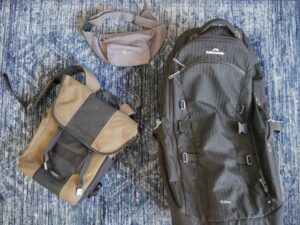
- Portable cooking gear — a compact travel cooking kit with a pot, pan, and basic utensils is a lifesaver when hostel supplies are lacking. For durable gear recommendations tailored to Australian travel and farm life, explore the Backpack Australia Resources Page.
- Storage solutions — reusable containers and bags for leftovers and prepped ingredients are worth their weight in gold. Tupperware is an absolute must when packing field lunches for a long day on the tractor.

Strategic Grocery Shopping in Australia
Finding affordable groceries is the backbone of a sustainable backpacker meal plan in Australia. Knowing where and how to shop can mean the difference between thriving and barely surviving on your budget.
Supermarkets vs. Local Markets
- Supermarkets — Coles, Woolworths, and Aldi all run weekly specials on staples like pasta, rice, and canned goods. Keep an eye out for markdowns on perishables nearing their sell-by date — perfect for a same-day meal at a fraction of the price.
- Local markets — markets like Sydney’s Paddy’s Markets or Melbourne’s Queen Victoria Market are ideal for fresh produce at significantly lower prices, and a fantastic way to immerse yourself in the local culture at the same time.
According to Choice Australia, shoppers who plan meals in advance and buy home-brand staples at major supermarkets consistently spend far less than those who shop without a list — a simple habit that makes a massive difference over a six-month working holiday.
Maximising Your Grocery Haul
- Share costs — team up with fellow backpackers to buy ingredients in bulk. This cuts costs and minimises waste. Doing a massive group grocery run in a major regional hub before driving out to a remote farm is a working holiday rite of passage.
- Choose versatile ingredients — buy foods that work across multiple meals. Eggs, for example, work for breakfast scrambles, fried rice additions, or basic baking. Rice works as a side, a base, and a cold salad the next day.
- Shop seasonally — seasonal produce is always cheaper and better quality. Focus on low-cost seasonal staples like carrots, apples, oranges, and whatever leafy greens are on special that week.
Cheap & Healthy Backpacker Meal Ideas for Australia
It is easy to fall into the trap of carb-heavy hostel cooking in Australia, especially when cheap carbohydrates are everywhere. But maintaining a genuinely balanced diet is crucial for sustaining your energy during farm shifts and long travel days. The recipes below are designed to be practical, affordable, and filling — perfect for the hostel environment.
Hearty Dinners
- One-Pot Pasta Primavera — pasta, a mix of fresh or frozen vegetables, and a can of diced tomatoes. One pot, minimal washing up, maximum flavour.
- Hearty Lentil Soup — lentils, canned tomatoes, onion, and garlic. Combine, simmer, and you have a deeply filling meal that costs next to nothing and keeps well in the fridge.
- Quick Stir-Fry Rice — leftover rice, soy sauce, mixed vegetables, and a can of beans or tuna. Ready in under ten minutes and endlessly customisable.
Pre-Work Breakfasts
- Overnight Oats — combine rolled oats, milk or a dairy-free alternative, yogurt, and your choice of fruit and nuts in a jar the night before. Zero morning effort, maximum sustained energy for early farm starts.
- Quick Avocado Toast — mash ripe avocado with lemon juice, salt, and pepper onto toasted bread. Add a fried egg on top for extra protein and you have a breakfast that will carry you through hours of physical work.
Field Lunches and Portable Meals
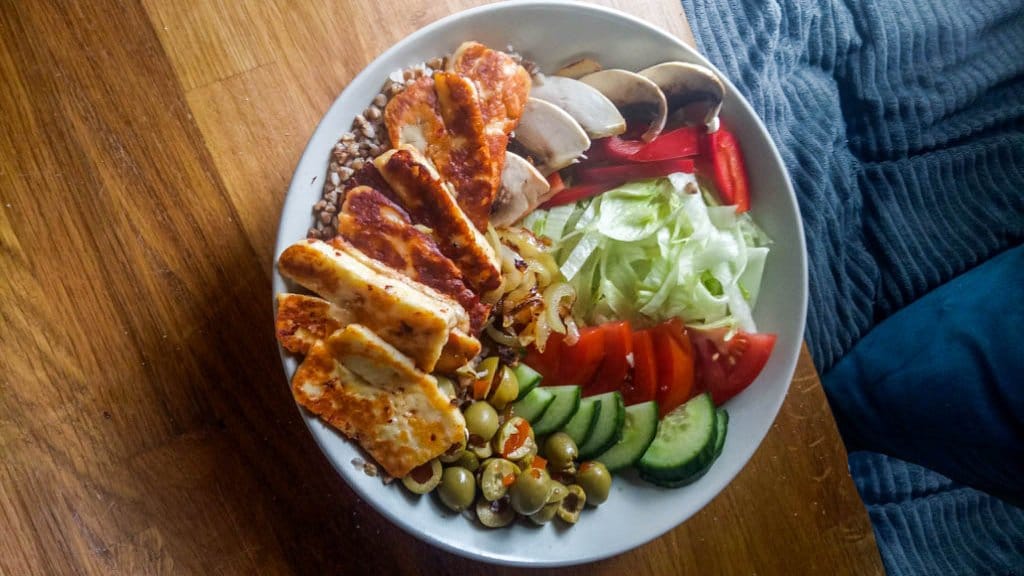
- Portable Pasta Salad — cooked pasta, cherry tomatoes, cucumber, feta, olives, and a simple olive oil and vinegar dressing. Stores well in a container and holds up even in warm conditions.
- Field Snack Kit — trail mix, jerky, apples, canned tuna, and large quantities of water supplemented with electrolyte powder are essential for 10-hour shifts in the orchard or paddock.

Mastering the Hostel Kitchen Ecosystem
Hostel kitchens vary enormously in quality, but most will have a stove, basic utensils, and a communal fridge. Cooking in a shared kitchen can be chaotic — but with a clear strategy, it becomes one of the best social experiences of your entire trip.
Tactical Tips for Hostel Cooking
- Beat the rush — plan meals that require minimal cooking time, or prepare during quieter off-peak hours. The dinner rush in a busy hostel kitchen is genuinely competitive.
- Label your food — use a permanent marker to write your name and check-out date on every item in the communal fridge. Unlabelled food is universally considered fair game and will vanish quickly.
- Bring your own kit — never assume hostel kitchens have sharp knives, clean non-stick pans, or intact spatulas. A lightweight personal cooking kit ensures you are never stuck eating raw carrots for dinner.
- Clean as you go — always leave the kitchen cleaner than you found it. This maintains hygiene for everyone and builds genuine goodwill in a communal space where you may be living for weeks.
Frequently Asked Questions: Budget Meals for Backpackers in Australia
How much should I budget for food per week in Australia?
If you shop at major supermarkets like Coles, Woolworths, or Aldi, cook your own meals, and rely on bulk staples, you can comfortably maintain a healthy, high-energy diet for roughly $70 to $100 AUD per week. This figure will increase slightly in remote regional areas where freight costs push grocery prices higher.
Can I rely on hostel kitchens having everything I need?
Never assume a hostel kitchen is fully equipped. While most have the basics, the sheer volume of backpackers cycling through means sharp knives, clean pans, and intact utensils are often in short supply. Packing a lightweight personal cooking kit is always the smarter call.
What are the best foods to pack for a day of fruit picking?
Focus on high-energy, non-perishable foods that won’t spoil in the baking Australian sun. Trail mix, jerky, apples, canned tuna, and large quantities of water with electrolyte powder are essential for getting through a full 10-hour shift in the orchard without running out of fuel.
Fast-Track Your Regional Work and Start Earning Sooner
Mastering backpacker meals in Australia is a fantastic way to stretch your budget — but nothing drains your savings faster than sitting around an expensive city hostel for weeks on end, searching for reliable regional work. Every day you spend refreshing job boards is a day you are missing out on genuine wages.
Backpack Australia has direct contact with over 4,000 eligible employers and connects with virtually all the working hostels across Australia. By joining our network, you can bypass the scams, skip the waitlists, and secure a legitimate regional position rapidly — knocking out your 88 days fast and getting back to what you actually came here to do.
Sign Up for the Job Help Programme Newsletter to get immediate access to our exclusive employer and hostel networks today.
Conclusion
A successful Australian working holiday demands resourcefulness, grit, and a smart approach to your daily logistics. Mastering cheap backpacker meals in Australia is not just about pinching cents — it is about fuelling your body for the physical demands of regional work and stretching every dollar so your adventure lasts longer. Cook your own meals consistently, shop strategically, and label your fridge food. And when you do want to treat yourself, try a classic Australian meat pie, local fish and chips, or a free public barbecue in one of Australia’s many parks. Eat well, save your cash, and get out there.