
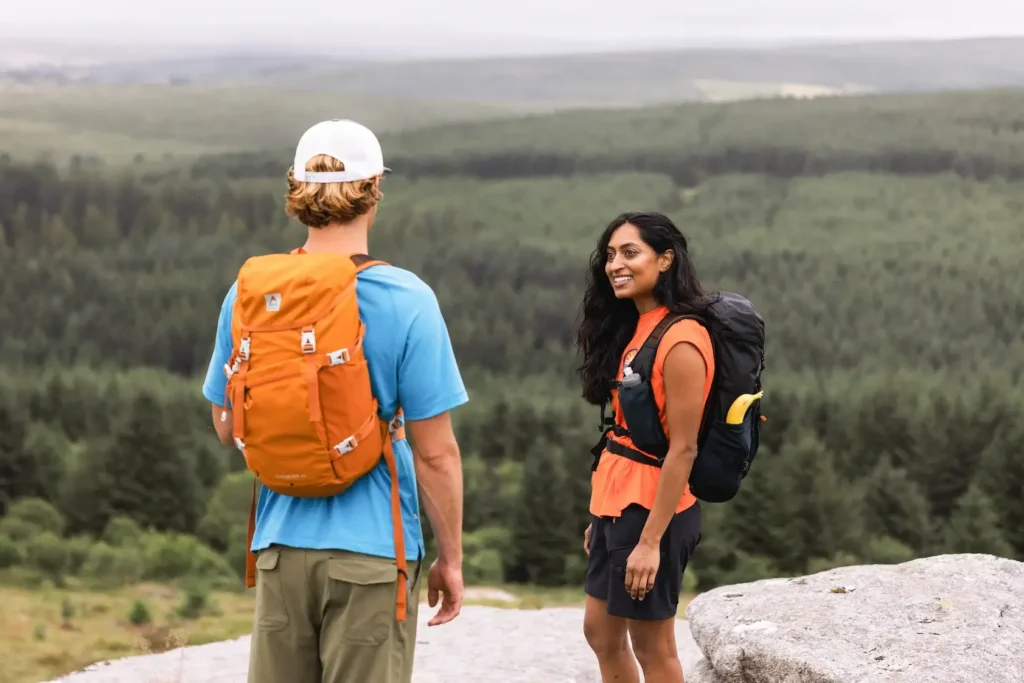
Mastering Australian backpacker etiquette before you touch down could be the difference between a smooth working holiday and a string of awkward, avoidable mistakes. Australia is globally renowned for its casual, friendly, laid-back culture — but here is a crucial truth many backpackers learn the hard way: beneath the relaxed surface, Australia operates on a strict set of unspoken rules and social expectations. What is perfectly acceptable at home or across a European city could be considered disrespectful, unhygienic, or wildly inappropriate here. Committing these cultural faux pas leads to awkward encounters, being turned away from venues, and missed job opportunities. This guide covers the public etiquette rules that catch newcomers out, the dress code tiers from city pub to regional paddock, and how proper presentation directly affects your ability to land farm work.
The “No Worries” Myth: Public Etiquette and Unspoken Rules
Australia’s famous “no worries” attitude tricks fresh arrivals into believing anything goes. While Aussies are informal in many respects, there are definite boundaries that matter for genuine backpacker etiquette in Australia.
The Reality of Public Drinking
If you’re used to drinking a beer in a public park or on a train in Europe, stop. Assuming you can drink freely in public spaces is a fast track to fines, confiscated alcohol, or arrest. Australia has strict laws around public alcohol consumption, and enforcement varies by local council. Always stick to licensed venues or private residences unless explicit signage permits public drinking.
Hostel and Neighbourhood Noise
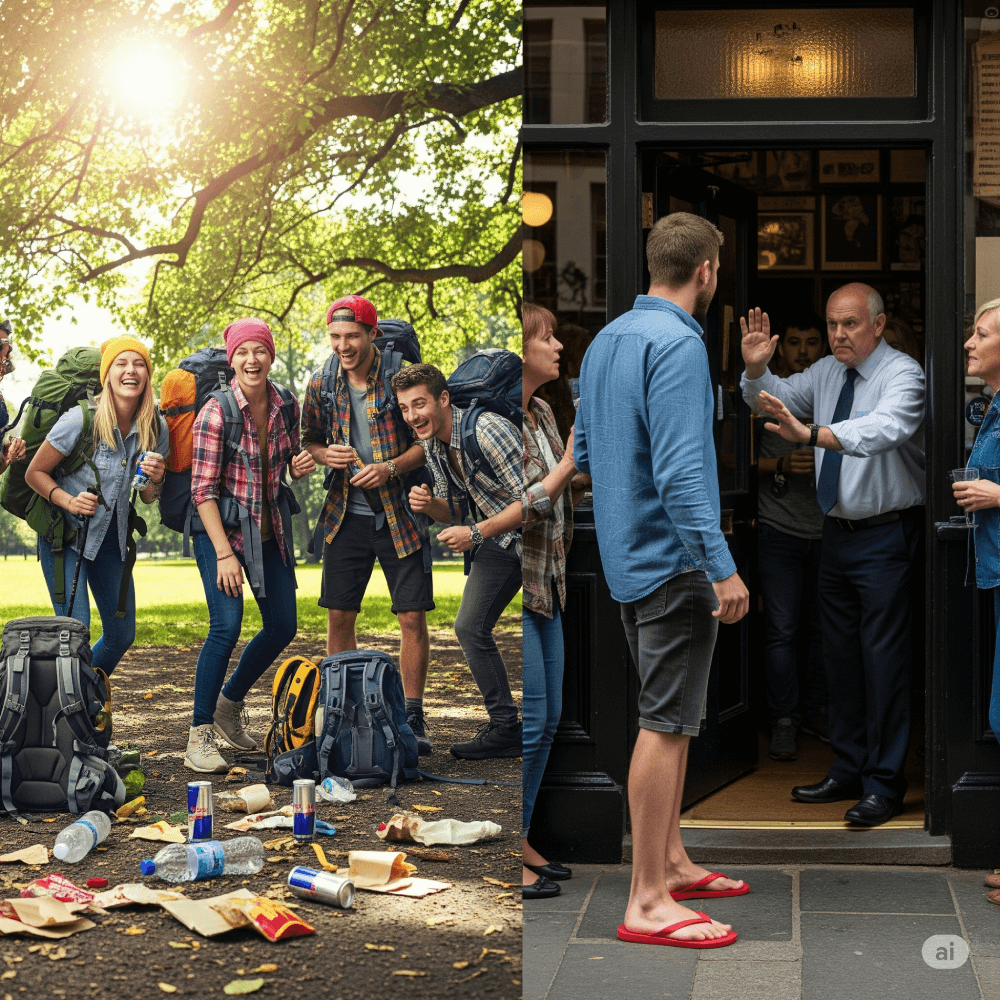
Being boisterous in residential areas or hostel dorms late at night quickly makes you unpopular. This behaviour annoys locals, damages perceptions of backpackers generally, and can escalate to police involvement in extreme cases. Respect quiet hours — typically 10:00 PM to 8:00 AM in hostels — and dispose of rubbish properly.
The “Fair Go” and Direct Communication
Misinterpreting Australian directness as rudeness is a common mistake. Aussies value the “fair go” culture — honesty, equality, and a dislike for pretentiousness or queue-jumping. Be polite and straightforward, and understand that equality genuinely rules the day here.
Slang and Gestures
Trying too hard to force Australian slang can come across as inauthentic. Be careful with hand gestures too — the “V” peace sign with your palm facing inward is considered genuinely vulgar in Australia, unlike in many other English-speaking countries.
Dressing for the Occasion: Navigating Australian Dress Codes
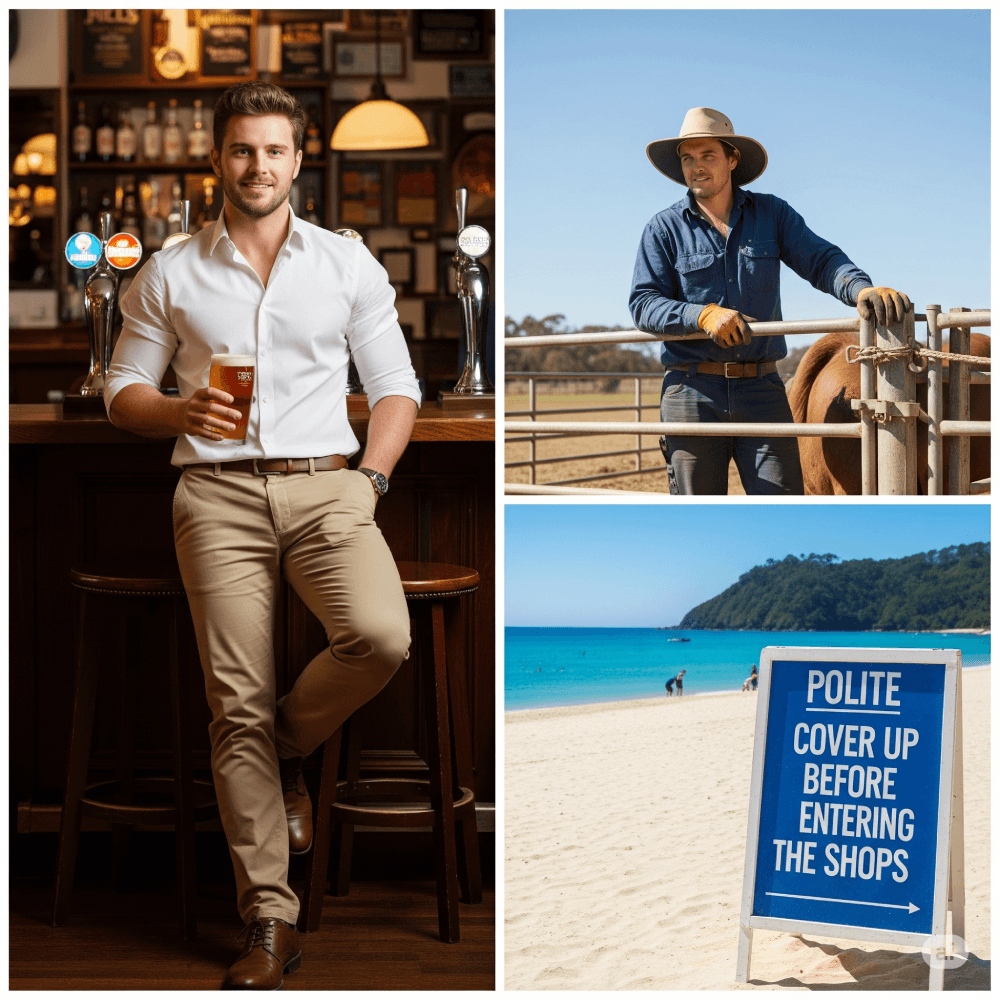
Australia is a casual country, but “casual” operates on distinct levels. Knowing when and how to elevate your attire will literally open doors — sometimes literally, at the venue entrance.
City Pubs, Cafes, and Venues
Many venues — especially after 7:00 PM on Friday and Saturday nights — enforce strict dress codes for safety and presentation.
- The anti-thong policy — wearing flip-flops into pubs or restaurants in the evening often results in a bouncer refusing entry. Going barefoot is unacceptable outside the immediate beach.
- Clothing bans — singlets, dirty steel-capped boots, and excessively ripped clothing are heavily restricted in nightlife venues. Clothing with offensive slogans is universally banned.
- The solution — always carry enclosed shoes and a neat polo or button-down shirt for evening plans, even on a casual travel day.
Whenever you need to upgrade your travel wardrobe for urban or regional settings, check the Backpack Australia Resources Page for recommended essentials.
Beachwear Beyond the Beach
Wandering directly from the beach into a supermarket, café, or bus wearing just a bikini, board shorts, or a bare chest is a genuine faux pas. Most Australians consider it disrespectful and unhygienic in retail or dining settings, and you will likely be refused service. Always throw a t-shirt and shorts over swimwear when leaving the sand.

Regional Farm Work: Gritty Realities and Proper Gear
If you’re completing your 88 days of specified work for a visa extension, your wardrobe needs to shift from beach-bum to rugged functionality. Agricultural work demands practical clothing — long pants, long-sleeved shirts for sun protection, and sturdy steel-capped boots. High-vis vests are often a mandatory safety requirement on-site.
Consider the boots-on-the-ground reality: whether sweating through 90% humidity picking bananas in Tully, Queensland, or waking at 4:30 AM for freezing citrus picking in Mildura, Victoria, farm work is gruelling. Many jobs pay piece rates — per bin or bucket filled, not per hour. Show up in flimsy sneakers and a tank top, and you’re not just breaking safety rules — you’ll be too blistered, sunburnt, and exhausted to make decent money. Turning up in inappropriate attire can mean you don’t get the job at all.
Our team at Backpack Australia gives this practical advice when helping travelers prepare for regional jobs: always ask your employer about the required dress code and PPE before your first shift.
Respecting Indigenous Communities and Sacred Sites
When your travels take you to culturally significant sites or Indigenous communities, respectful and modest dress is crucial. In many locations you’ll be advised to wear loose-fitting clothing covering shoulders and knees. At some culturally sensitive swimming holes, you may be asked to swim with clothes on — a t-shirt over swimwear, for example. Always research the specific community in advance and strictly follow your guide’s instructions to avoid unintentional offence.
FAQ: Australian Backpacker Etiquette
Can I walk barefoot in Australia?
You might see the occasional local doing it in a beachside town, but going barefoot in supermarkets, public transport, or pubs is generally considered unhygienic and unacceptable. Stick to the immediate beach environment only.
What does “smart casual” actually mean for an Australian pub?
Clean jeans, chinos, or smart shorts paired with a neat t-shirt, polo, or button-down. For footwear, it means clean, enclosed shoes — no thongs or dirty work boots regardless of how tired you are from the farm.
How should I act if I don’t understand Australian slang?
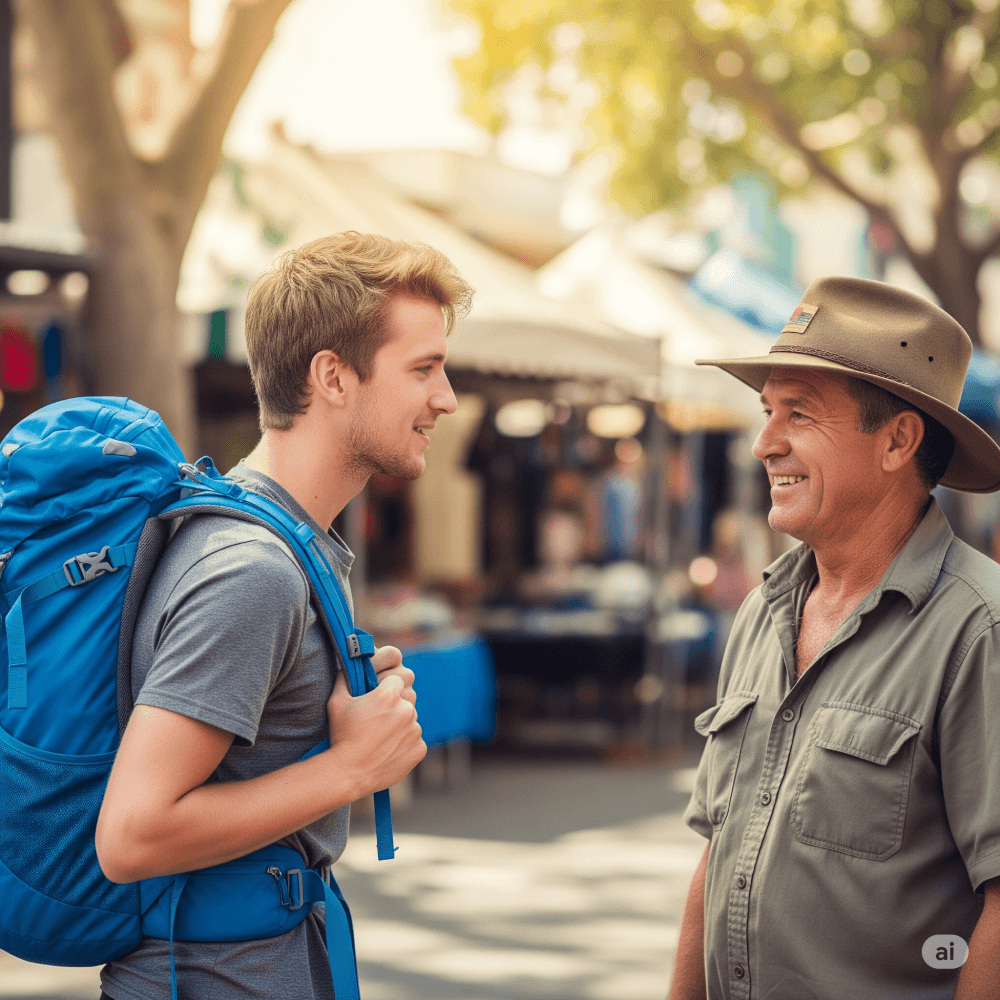
Don’t fake it. Using slang incorrectly makes you look inauthentic. Listen, use a polite “hello” and “thank you,” and if you’re confused by a phrase, simply ask politely — Australians are generally happy to explain.
Stop Wasting Time: Fast-Track Your 88 Days
Understanding how to present yourself is step one. Step two is actually landing a reliable regional job. Every year, thousands of backpackers travel to regional towns blindly hoping to knock on farm doors. The opportunity cost is massive — wasting weeks trying to find work independently drains your savings while burning through visa time.
Backpack Australia has direct contact with over 4,000 eligible employers and connects with virtually all the working hostels across Australia. We take the guesswork, the waiting, and the anxiety out of the equation. Knock out your 88 days fast, start earning sooner, and secure your visa extension.
Sign Up for the Job Help Programme Newsletter to get immediate access to our nationwide employer and hostel networks.
Conclusion
Adhering to local dress codes and social norms isn’t about crushing your individuality — it’s about showing respect, enhancing your safety, and drastically improving your overall travel experience. By demonstrating genuine Australian backpacker etiquette, you foster positive interactions, build deeper connections with locals, and represent the global backpacking community well. Pack smart, act respectfully, and get ready for the Australian adventure of a lifetime.