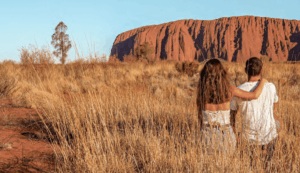
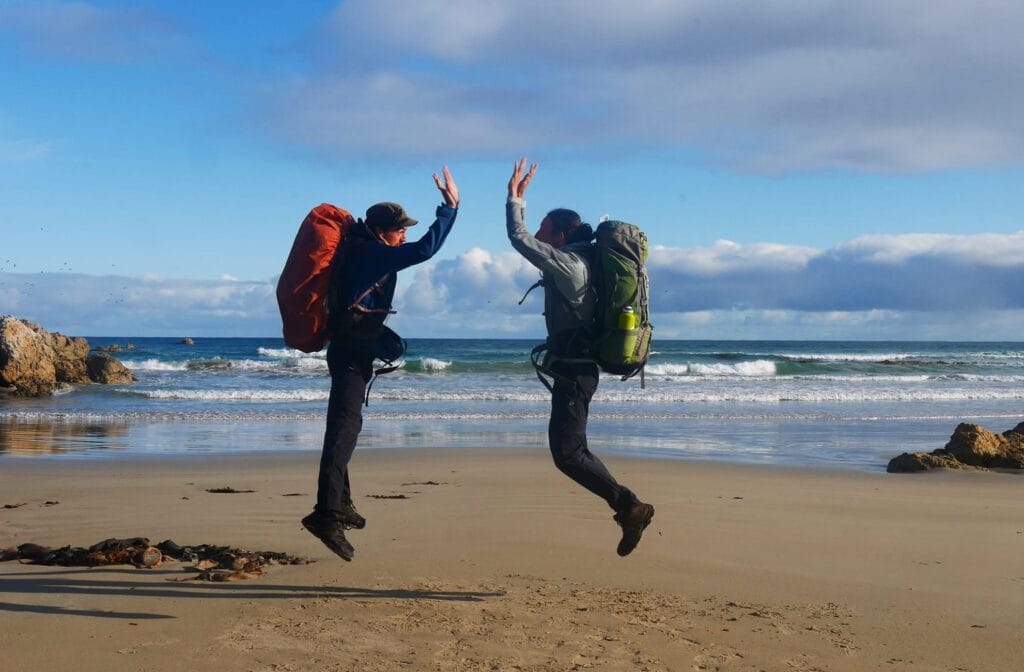
The challenges of backpacking Australia go far beyond what most working holiday makers expect before they land. Stepping off a plane with a backpack slung over your shoulder, ready to traverse the wild landscapes of a continent, is an extraordinary feeling — and Australia absolutely delivers on its promise of freedom and adventure. But this is also a country that presents specific, often underestimated hurdles: the genuine tyranny of distance, the physical demands of regional farm work and piece-rate wages, extreme and rapidly shifting weather, genuinely dangerous wildlife, and a legal and cultural framework that takes time to navigate confidently. This guide covers the four most significant challenges and the practical, actionable solutions that experienced working holiday makers use to overcome each one.
Challenge 1: Conquering the Tyranny of Distance and Isolation
One of the most underestimated challenges of backpacking Australia is the sheer scale of the country. Australia is not a small, easily navigable destination — it is a continent. Many first-time backpackers look at a map and drastically miscalculate travel times. Driving from Sydney to Cairns is not a weekend road trip; it is a 2,400-kilometre overland expedition that takes days, not hours.
Actionable Solutions
- Slow down and strategise — rather than bouncing across state lines every three days, choose a regional hub and explore outward from it. This approach saves travel costs significantly and enables a far deeper connection with each area rather than a surface-level pass through.
- Prepare for dead zones — once you leave major coastal highways, mobile connectivity becomes sporadic across vast stretches of regional and remote Australia. Download offline maps, travel guides, and any documentation you need before you leave the last major town with reliable signal.
- Plan for isolation — in remote farm communities, social circles shrink dramatically. Keeping in touch through periodic social media updates or blogs, and actively building community within your working hostel, mitigates the isolation that can affect long regional placements.

Challenge 2: The Gritty Reality of Farm Work and Budget Management
Managing expenses is critical across a working holiday — Australia is notoriously expensive in major cities, and the regional farm work that most visa extension pathways require is far more physically demanding than it appears from the outside. This is one of the most consistent challenges for backpackers in Australia who arrive without realistic expectations.
The suffocating humidity of picking bananas in Tully, Queensland. Waking at 4:30 AM for back-breaking repetitive labour during citrus season in Mildura, Victoria. And on top of the physical demands, many farms operate on piece rates — meaning you are paid per bin or bucket of produce picked rather than a flat hourly wage. If you are not fast, efficient, and physically conditioned in your first few weeks, you will struggle to earn a living wage. Our team at Backpack Australia gives this practical advice directly to every traveler we help prepare for regional placements.
Actionable Solutions
- Understand piece rates before you accept — verify that the rate offered complies with the legal minimum, track your own bins and hours meticulously, and cross-check your payslip every pay cycle without exception. By law, piece rates must allow an average competent worker to earn at least 15% above the minimum hourly wage.
- Leverage local networks — hostel noticeboards, working hostel staff recommendations, and fellow backpackers who have recently completed the same harvest are consistently the best source of current, reliable job intelligence in regional areas.
- Explore work exchange programmes — some hostels offer accommodation in exchange for a few hours of work per day, significantly reducing your daily cost burden during the transition between placements.

Challenge 3: Surviving Australia’s Extremes — Weather, Wildlife, and Healthcare
The Australian climate varies dramatically — scorching, humid summers in the tropical north and genuinely cold winters in the southern agricultural regions — and encountering the country’s unique wildlife is both thrilling and, in some cases, genuinely dangerous. Navigating healthcare in a foreign country with facilities potentially hours away is another layer of challenge that catches backpackers unprepared.
Actionable Solutions
- Pack for all climates, not just summer — always check local forecasts before departing for a new regional area. Include breathable, UV-protective fabrics for tropical conditions and layered clothing for cooler southern regions. Stay hydrated at a level that exceeds what you think you need. For durable, sun-safe apparel and farm-ready equipment, the Backpack Australia Resources Page has curated recommendations built for Australian working conditions.
- Follow wildlife protocols consistently — never attempt to touch, feed, or approach wild animals. Respect their space and observe from a safe distance. Always check your shoes before putting them on in the morning, particularly in areas with ground-dwelling snakes, and carry a heavy-duty snakebite first aid kit in any vehicle used for regional travel.
- Know your healthcare access points — always travel with comprehensive health insurance and know the location of clinics and hospitals in any area before you need them. For more serious medical emergencies in remote areas, a Personal Locator Beacon or satellite phone significantly improves your ability to access help quickly.
Challenge 4: Navigating Aussie Culture, Slang, and Local Laws
Every country has its own set of laws and cultural practices, and Australia is no exception. Unintentionally breaking local regulations — visa conditions, road rules, environmental laws, biosecurity requirements — can lead to genuinely serious consequences for working holiday makers. Cultural and linguistic adjustment is another real challenge for backpackers arriving in Australia, even for native English speakers.
You will quickly learn that a “ute” is a pickup truck, “arvo” means afternoon, “smoko” is your mandated work break on the farm, and “fair dinkum” is not just a quirky expression but a genuinely useful part of daily communication. Australia’s culture is a rich, complex mix of Indigenous heritage and influences from across the globe — absorbing it respectfully and genuinely takes intentional effort.
Actionable Solutions
- Immerse yourself actively — listen to Australian radio, engage with local television, and prioritise conversations with Australians over spending all your social time in the backpacker bubble. Linguistic and cultural adaptation happens through immersion, not passive observation.
- Respect Indigenous culture and heritage — attend cultural festivals, participate in events that celebrate Australia’s Indigenous heritage and multicultural identity, and approach sacred sites with genuine respect and adherence to posted local guidelines.
- Know the legal framework before you need it — understand your visa conditions, the road rules of each state you drive in, environmental regulations around camping and fires, and your workplace rights regarding piece rates and payslips.

Frequently Asked Questions: Challenges Backpacking Australia
Do I need a car to complete my 88 days of regional work?
While not strictly mandatory, having your own vehicle — or splitting a 4WD with fellow backpackers — dramatically increases your job prospects and flexibility. Many farms are located well beyond any public transport route, and relying solely on hostel shuttles limits your options significantly.
Are piece rates legal in Australia?
Yes, but with strict legal protections. Piece rates must be set so that an average competent worker earns at least 15% above the minimum hourly wage. Always track your own hours and output independently, never work for cash-in-hand if you want the days to count toward your visa extension, and report any non-compliant employer to the Fair Work Ombudsman.
What is a working hostel?
A working hostel is accommodation in a regional agricultural area that caters specifically to backpackers on Working Holiday Visas. These hostels typically maintain connections with local farmers and act as informal job placement hubs — often the fastest on-the-ground route to a regional placement when you arrive in a new area.
Fast-Track Your 88 Days and Overcome the Biggest Challenge
Securing your 88 days of eligible regional work is the biggest single challenge facing backpackers in Australia on a working holiday visa — and attempting to navigate it entirely alone is one of the most consistently expensive mistakes people make. Every week spent in a city hostel refreshing outdated job boards is a week of potential wages permanently lost.
Backpack Australia has direct contact with over 4,000 eligible employers and connects with virtually all the working hostels across the country. Joining our network removes the biggest challenge from the equation — bypassing scams, dead-end contractors, and weeks of waiting — and puts you directly in front of employers who need reliable workers right now.
Sign Up for the Job Help Programme Newsletter to get immediate access to our exclusive employer and hostel networks today.
Final Thoughts
The challenges of backpacking Australia are real, but every single one of them is conquerable with the right preparation, realistic expectations, and the right networks behind you. Whether you are changing a flat tyre in the dusty outback, laughing with new friends during a farm smoko, or watching the sun set over the coast, every challenge shapes you into a more capable, resilient traveler. Prepare wisely, work hard, and embrace the wild, extraordinary beauty of this country.